
Latest Insights from Siddhisthaan
Explore our latest articles on the spiritual, cultural, and healing significance of gemstones and rudraksha.
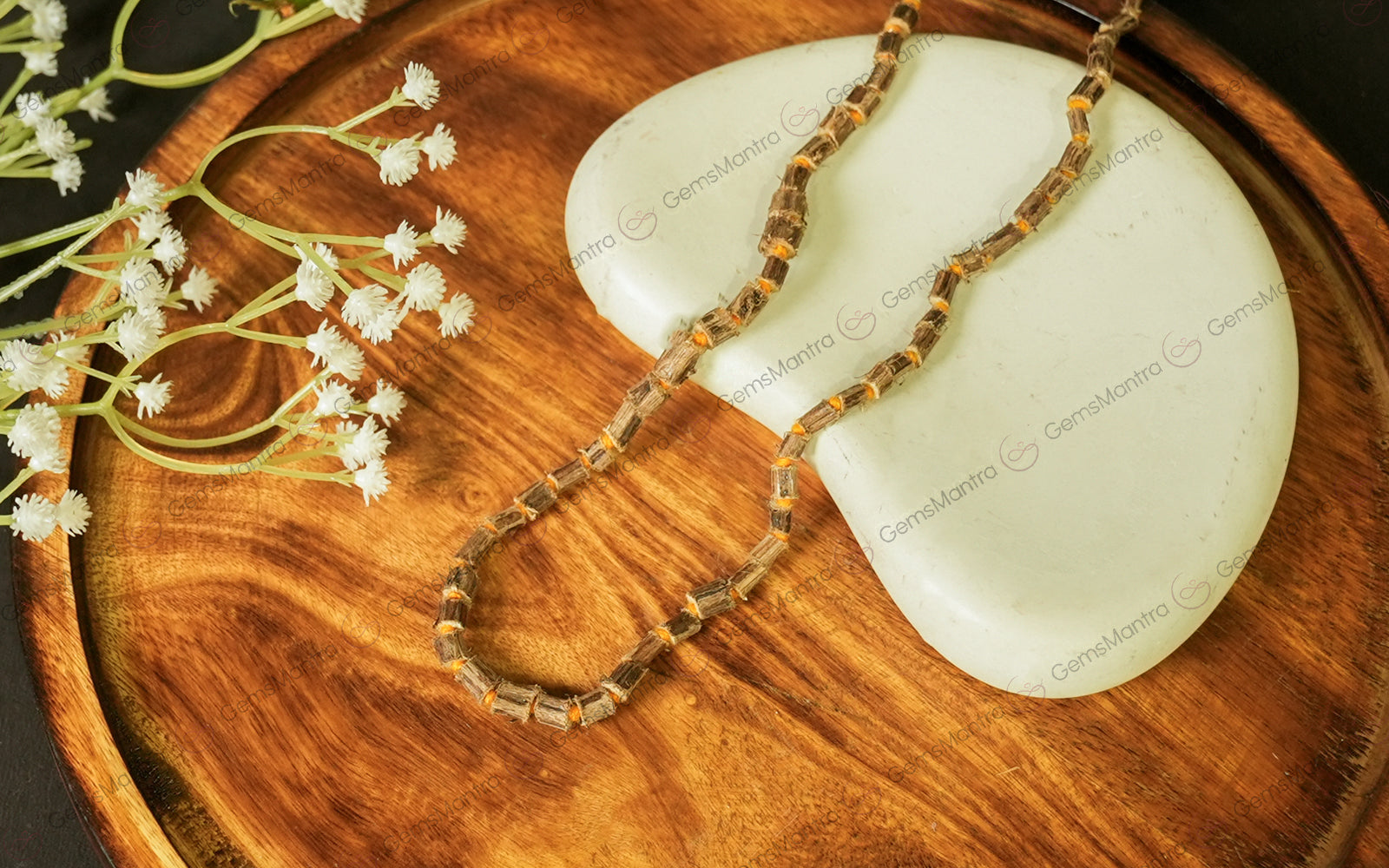
How to Care for Your Mala: Storage, Cleaning and When to Restring
A mala in daily use takes friction at 108 knots. Material-by-material care, the signs a thread is about to fail, and what to do if it breaks mid-practice.
Read Full Article →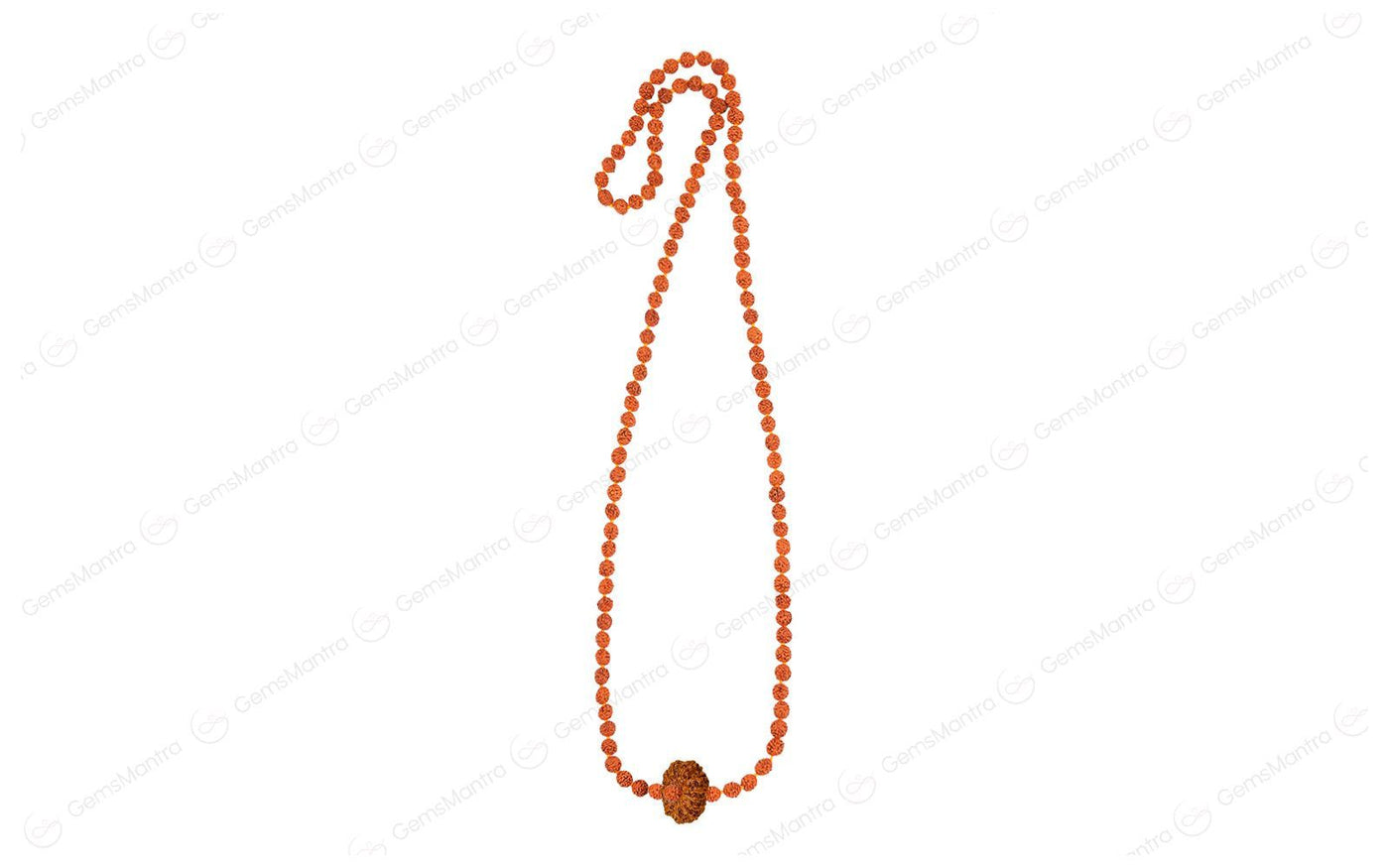
Siddha Mala, Rudra Mala and Indra Mala: What the Names Mean
The three classical Rudraksha mala configurations, what each contains, what they cost, and how to tell a genuine Siddha mala from a marketing label.
Read Full Article →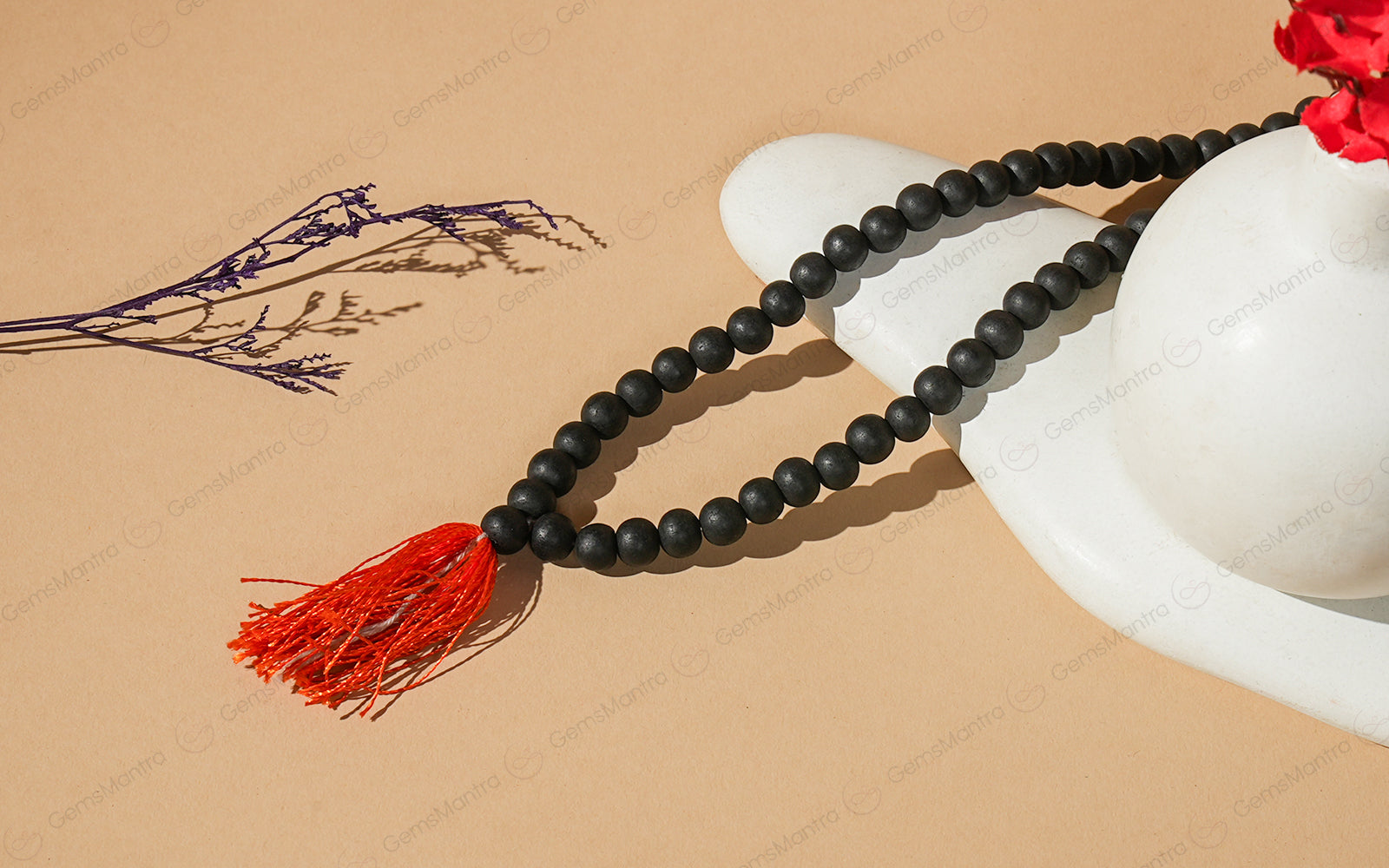
Karungali Mala: The South Indian Tradition of Protection
Karungali is ebony heartwood, worn for protection in Tamil practice. Its tradition, its use, and the water test that separates real ebony from dyed wood.
Read Full Article →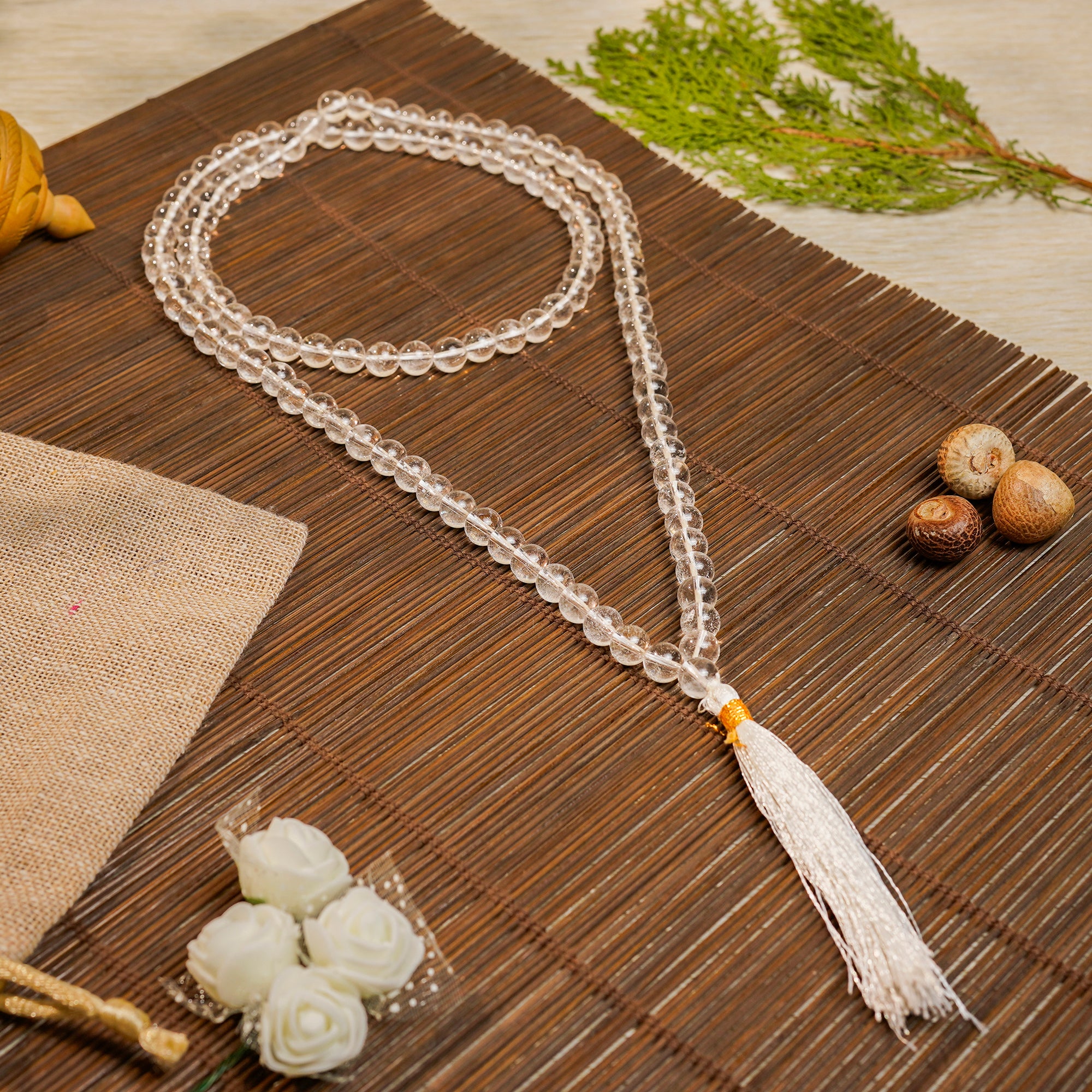
Sphatik Mala: The Cooling Crystal Mala for Sadhana
Sphatik is clear quartz, and its mala is the one recommended when the practice - or the practitioner - runs hot. Also the easiest mala to fake with glass.
Read Full Article →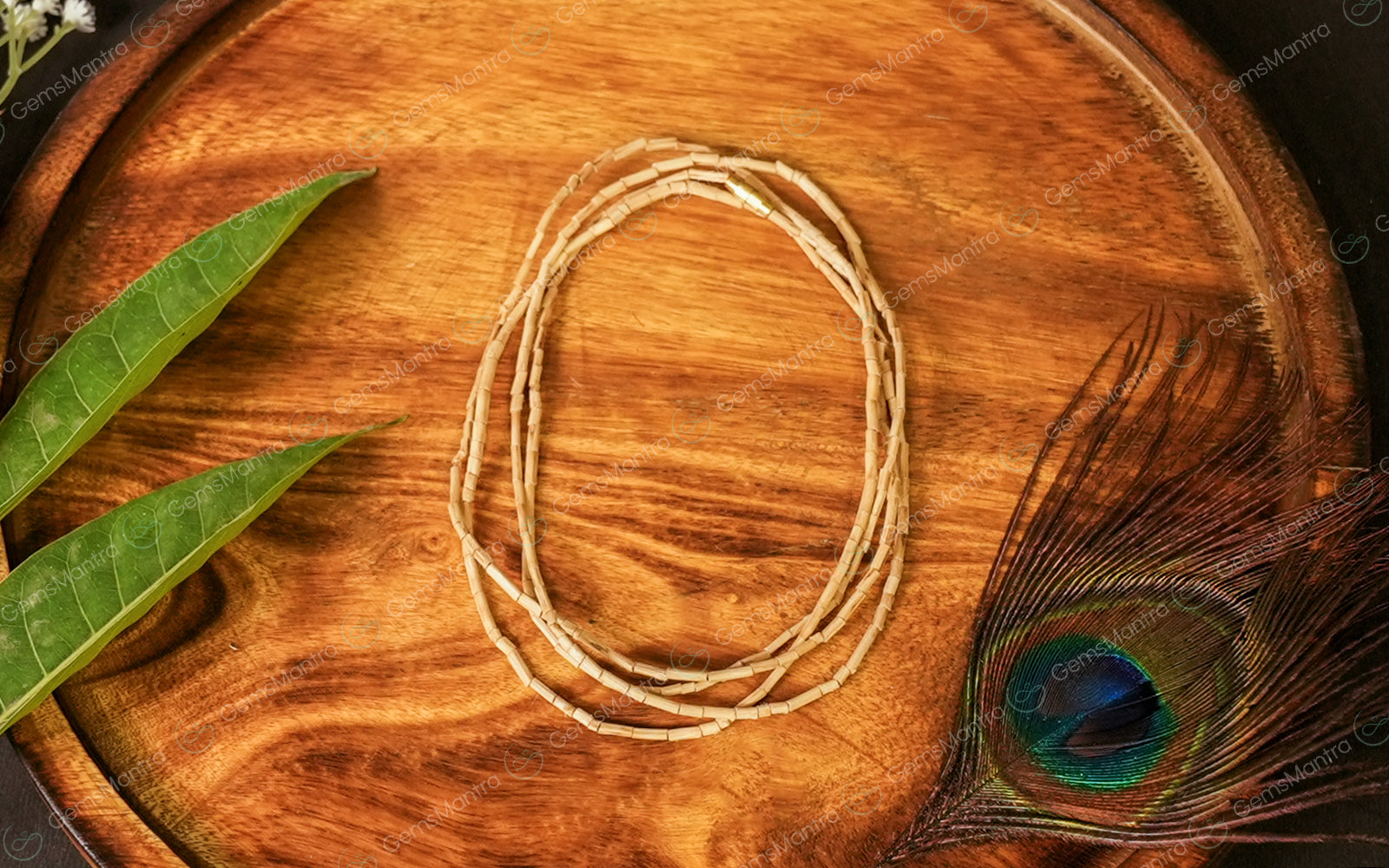
Tulsi Mala: Significance, Rules and Who Traditionally Wears It
Tulsi is the mala of Vaishnava practice. What Shyama and Rama tulsi are, why it should not be combined with Rudraksha, and how to identify genuine wood.
Read Full Article →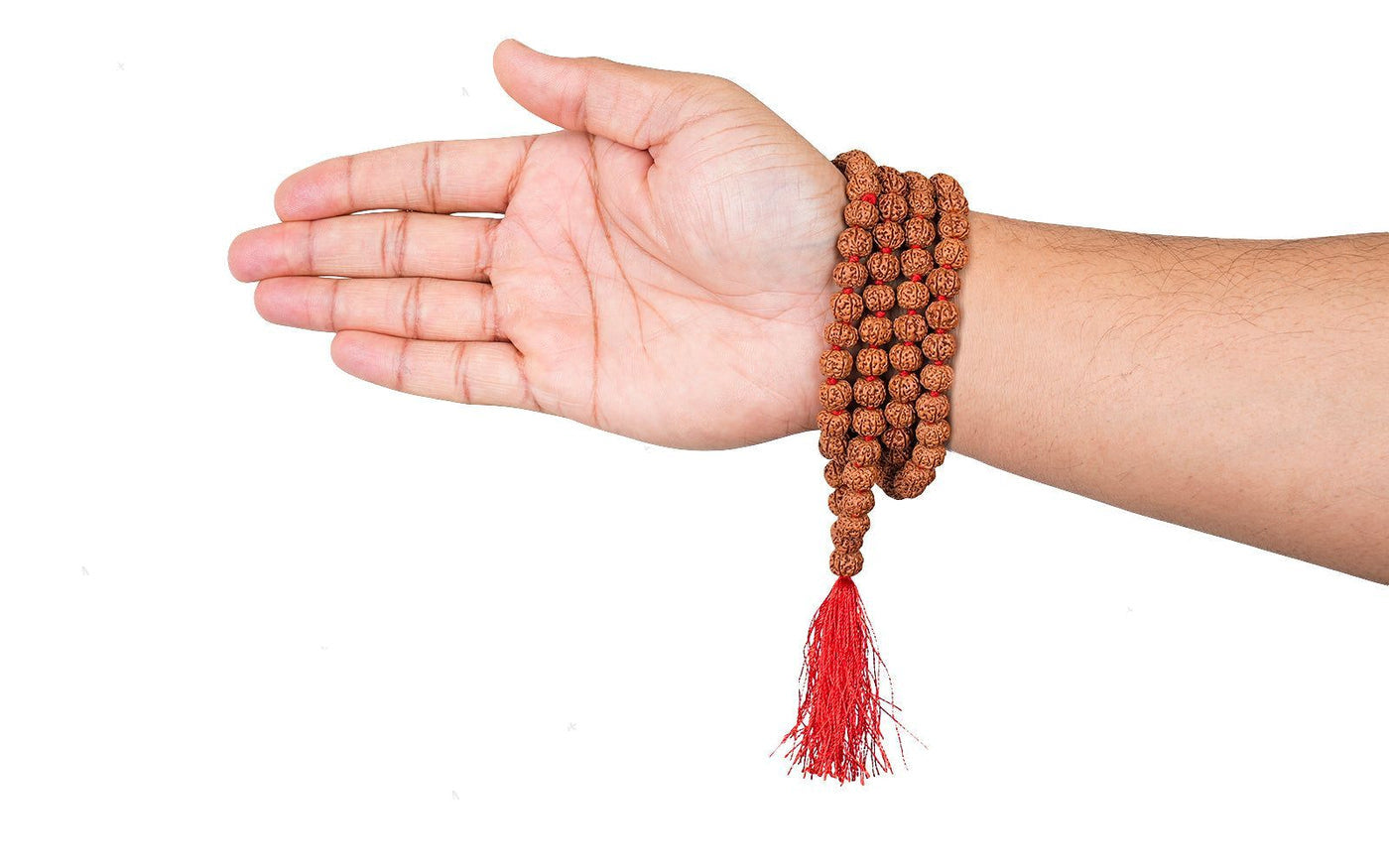
How to Do Japa With a Mala: A Step-by-Step Guide for Beginners
Which fingers to use, which mantra to start with, how long it takes, and the small mistakes that make a new practice harder than it needs to be.
Read Full Article →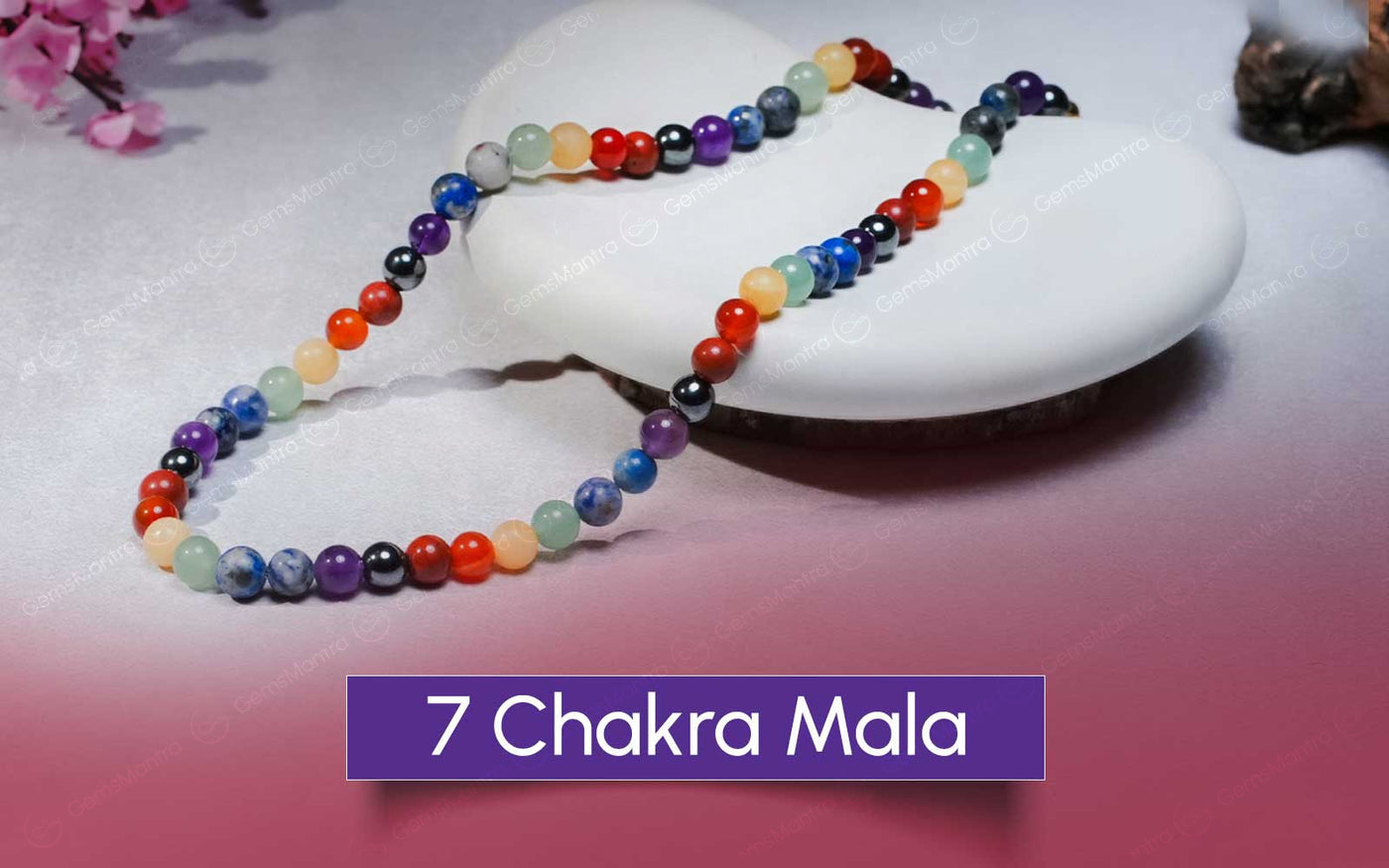
Why a Japa Mala Has 108 Beads: The Meaning Behind the Number
108 appears in astronomy, in the body and in the ritual calendar. Here are the explanations that have been given for it, and what the guru bead is for.
Read Full Article →