
Sphatik Mala: The Cooling Crystal Mala for Sadhana
Nov 18, 2025
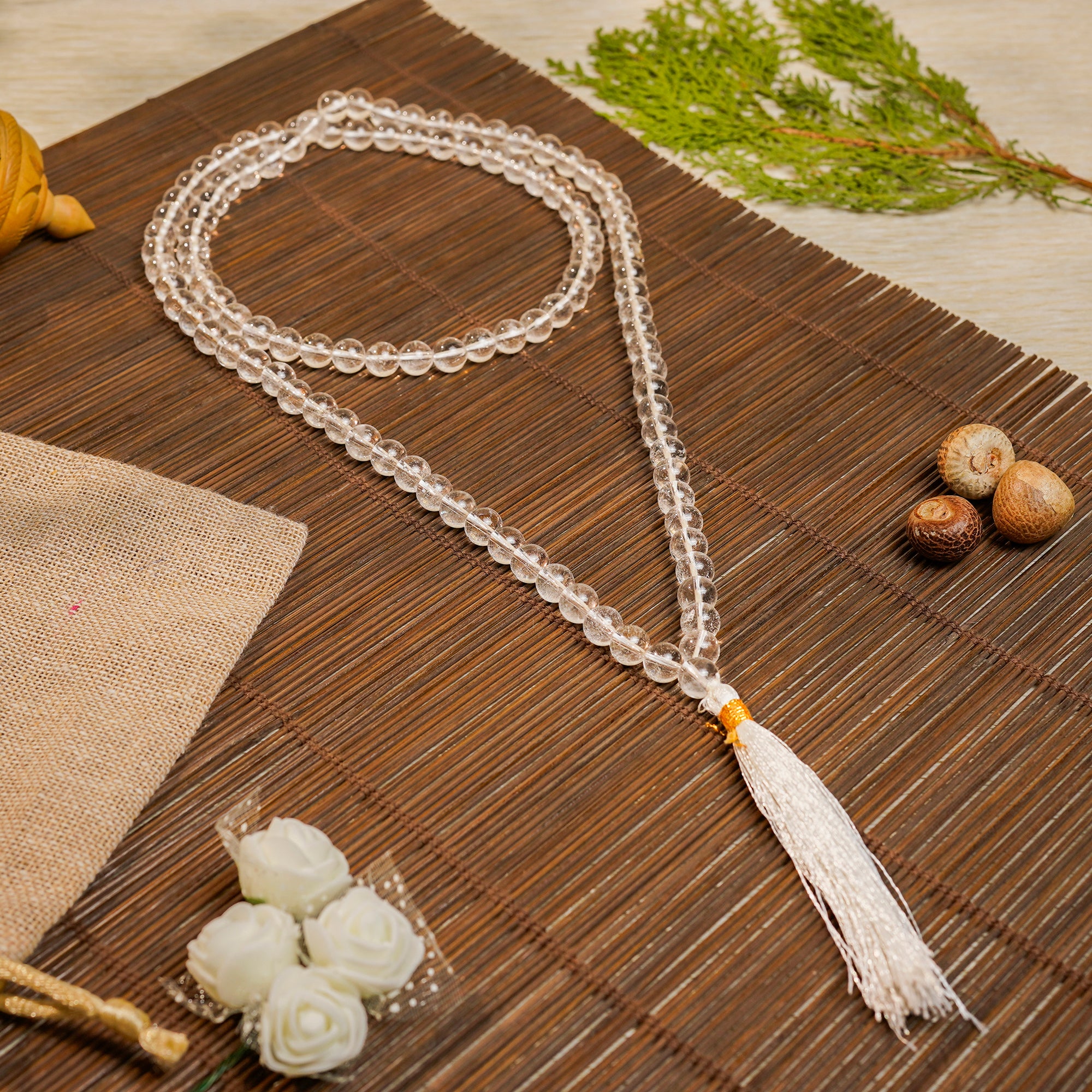
Sphatik is the Sanskrit name for natural clear quartz. A sphatik mala is one of the most widely used malas in Indian practice, and it is chosen for a specific reason: it is cooling.
Why cooling matters
Intensive sadhana - long japa, fire-related practices, mantras associated with Shakti or the Sun - is traditionally described as generating heat in the body. Where that heat becomes excessive, practitioners report irritability, disturbed sleep and physical restlessness.
Sphatik is the classical counterbalance. Quartz is physically cool to the touch and slow to warm, and the tradition extends that quality to its effect on the practitioner. It is the mala recommended for anyone with a pitta constitution, anyone practising through hot weather, or anyone whose sadhana has become uncomfortably intense.
What it is used for
- Mantras of Lakshmi, Saraswati and Devi - the conventional choice across most traditions.
- Gayatri japa.
- Calming and clarity - clear quartz is associated with the crown chakra.
- General purpose practice. Where Rudraksha is Shaiva and tulsi is Vaishnava, sphatik is considered universally appropriate and carries no sectarian association.
- Amplification. In crystal practice, clear quartz is the amplifier - a quality often extended to the mantra it counts.
Wearing and using it
- It may be worn continuously or reserved for practice - both are accepted.
- It combines freely with Rudraksha, unlike tulsi. Rudraksha and sphatik together is a common and traditional pairing.
- Never leave it in direct sunlight. Faceted quartz beads focus light and are a genuine fire risk near curtains or paper - and the mala warms in a way that defeats its purpose.
- Cleanse it periodically with moonlight, smoke or sound - see how to cleanse and charge crystals.
Quartz or glass? Four checks
This is the most commonly faked mala on the market, because good glass looks convincing.
- Temperature. Quartz feels distinctly cold and stays cool for several seconds in your palm. Glass warms almost immediately. This is the quickest test and it works.
- Inclusions. Natural quartz almost always has some internal feature - a wisp, a veil, a tiny fracture. Flawless, perfectly identical beads across a whole strand indicate glass.
- Bubbles. Under a loupe, glass often shows small round bubbles. Quartz does not.
- Hardness. Quartz is 7 and will scratch glass, which is around 5.5. Test discreetly on a bead near the knot if you must.
Genuine sphatik is affordable. There is no good reason to accept glass, and no good reason for a seller to be vague about which one they are selling.
Varieties
- Plain sphatik - clear or slightly milky. The standard.
- Faceted sphatik - cut for brilliance. Attractive, but the facets increase the light-focusing risk in sunlight.
- Rose quartz mala - for heart-centred and devotional practice.
- Amethyst mala - for third-eye and calming practice.
- Sphatik with Rudraksha - a combination mala, common and traditional.
Care
Quartz is hard and durable. Rinse with lukewarm water and dry with a soft cloth. Check the thread every few months and restring annually if in daily use. Store in a cloth pouch away from direct light.
Browse sphatik and crystal malas.
You May Also Like
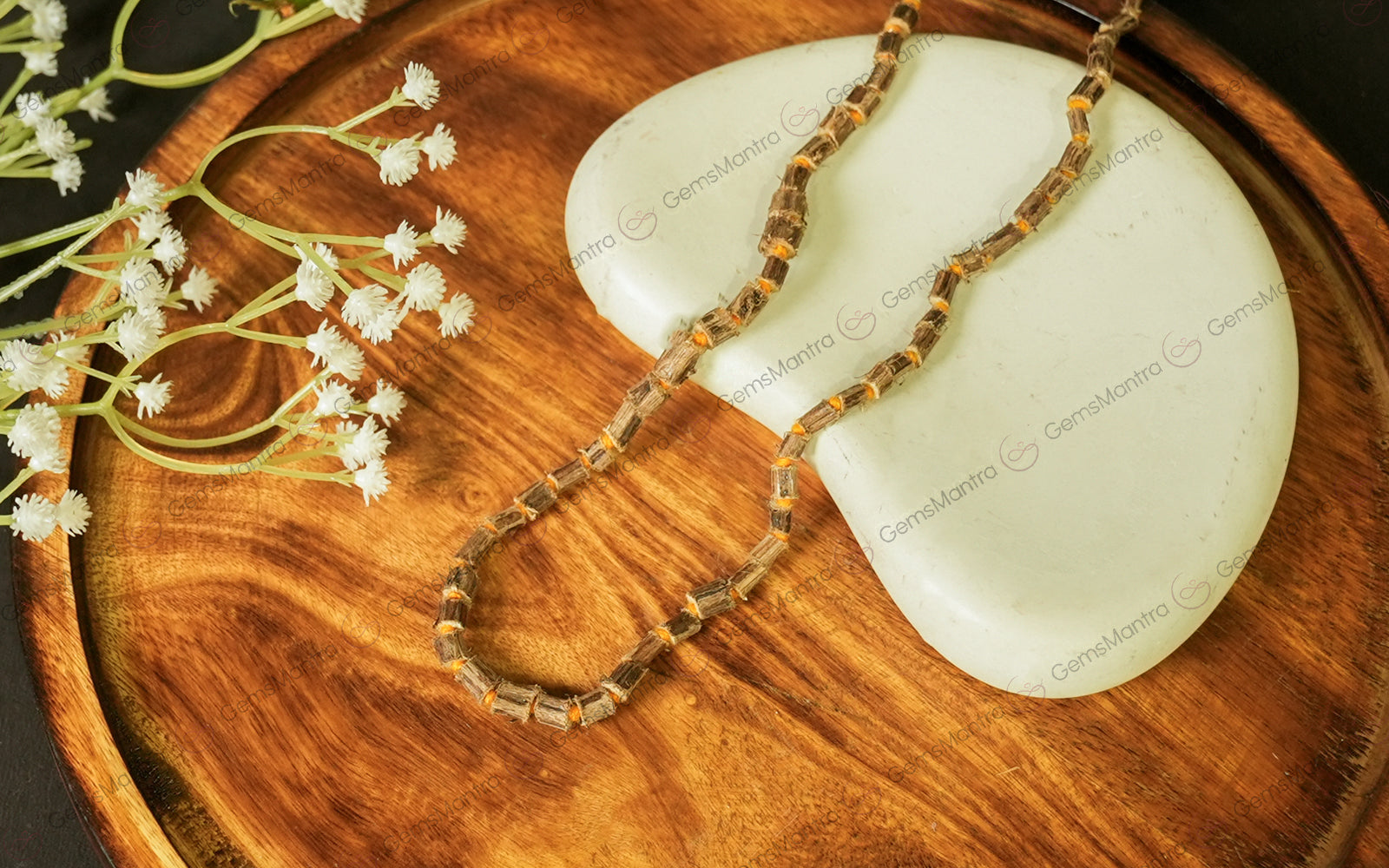
How to Care for Your Mala: Storage, Cleaning and When to Restring
A mala in daily use takes friction at 108 knots. Material-by-material care, the signs a thread is about to fail, and what to do if it breaks mid-practice.
Read Full Article →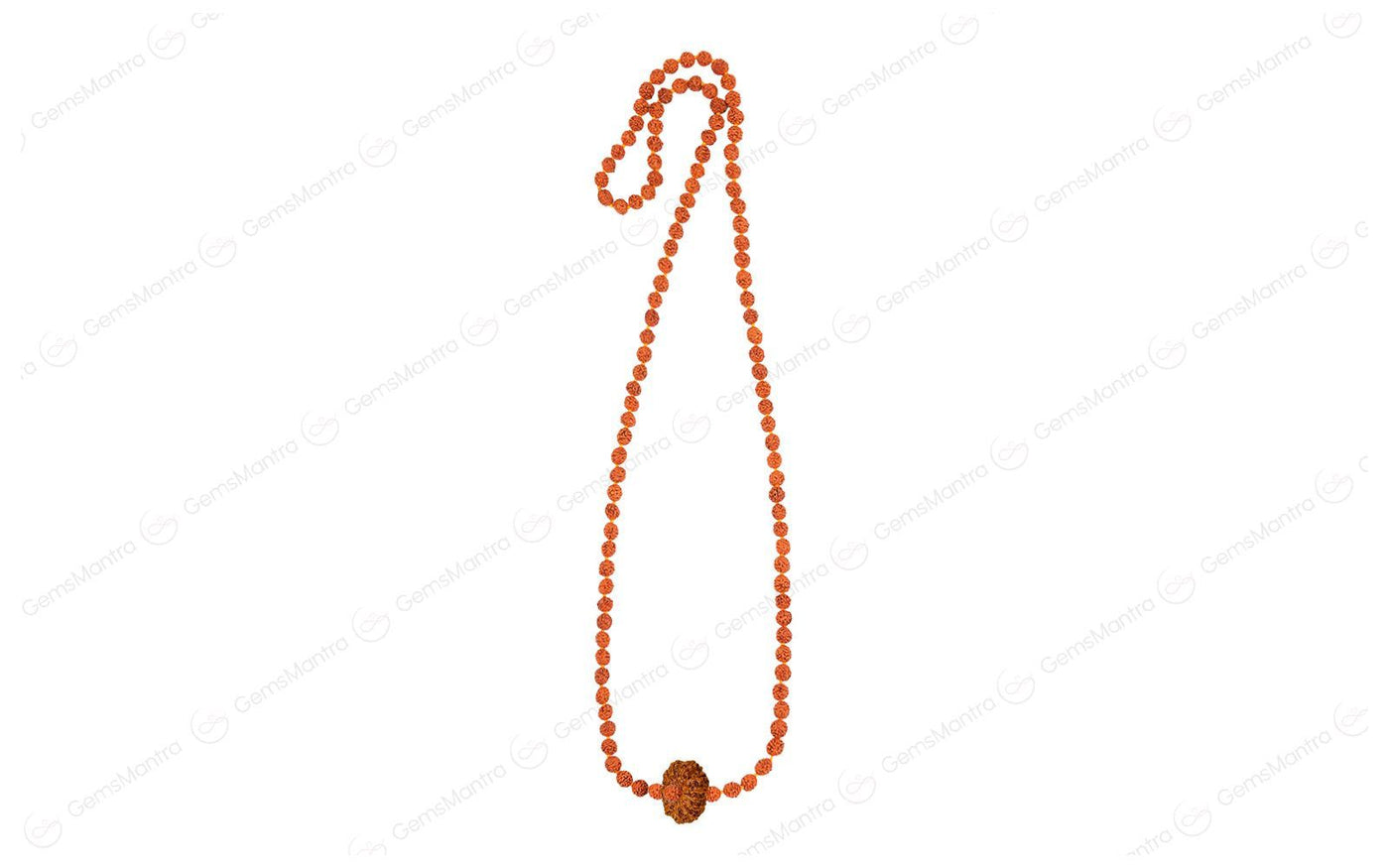
Siddha Mala, Rudra Mala and Indra Mala: What the Names Mean
The three classical Rudraksha mala configurations, what each contains, what they cost, and how to tell a genuine Siddha mala from a marketing label.
Read Full Article →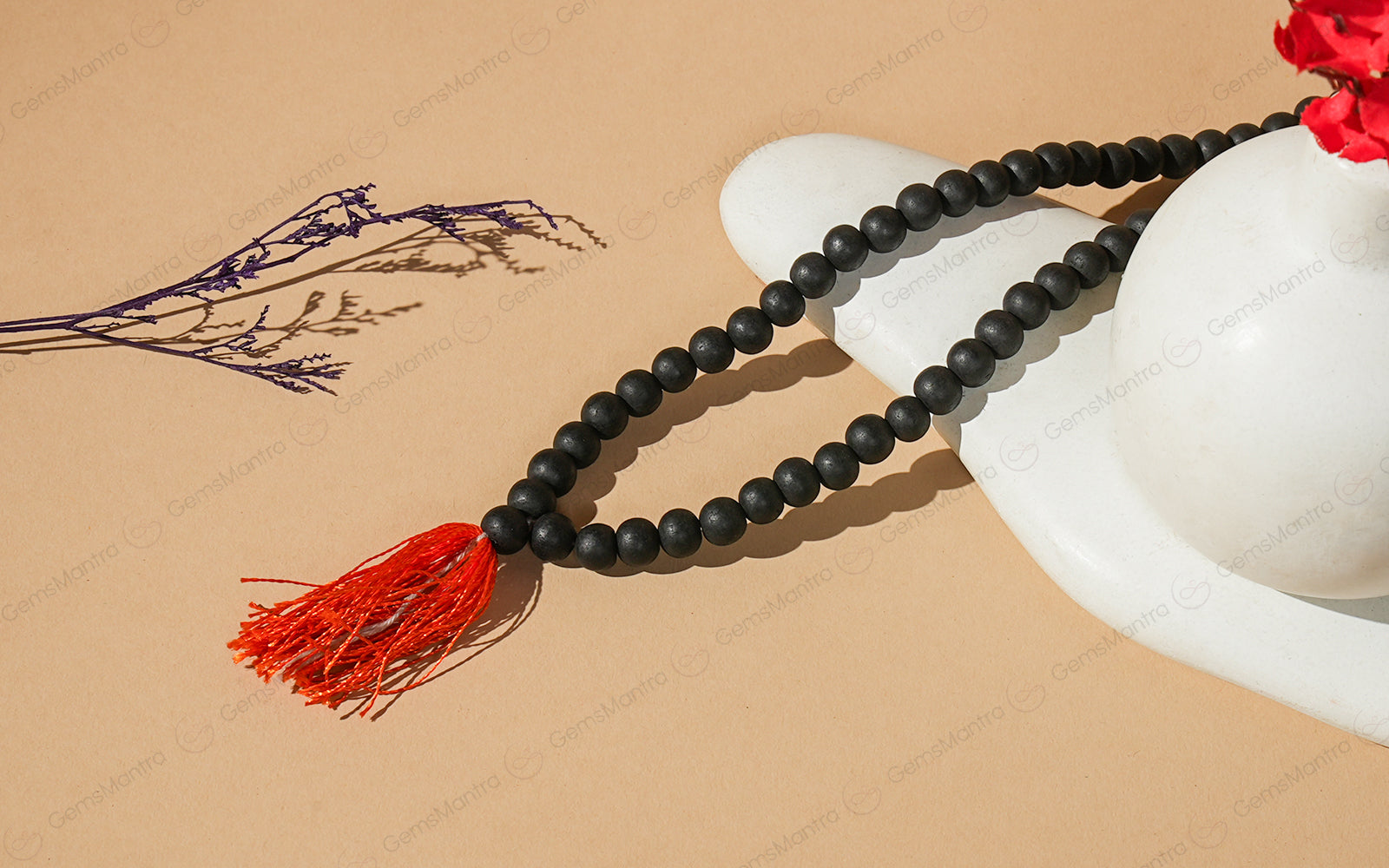
Karungali Mala: The South Indian Tradition of Protection
Karungali is ebony heartwood, worn for protection in Tamil practice. Its tradition, its use, and the water test that separates real ebony from dyed wood.
Read Full Article →0 Comments
Be the first to share your thoughts on this article.
Leave a Comment
Your comment will be reviewed by our team before it appears publicly.