
Karungali Mala: The South Indian Tradition of Protection
Jan 6, 2026
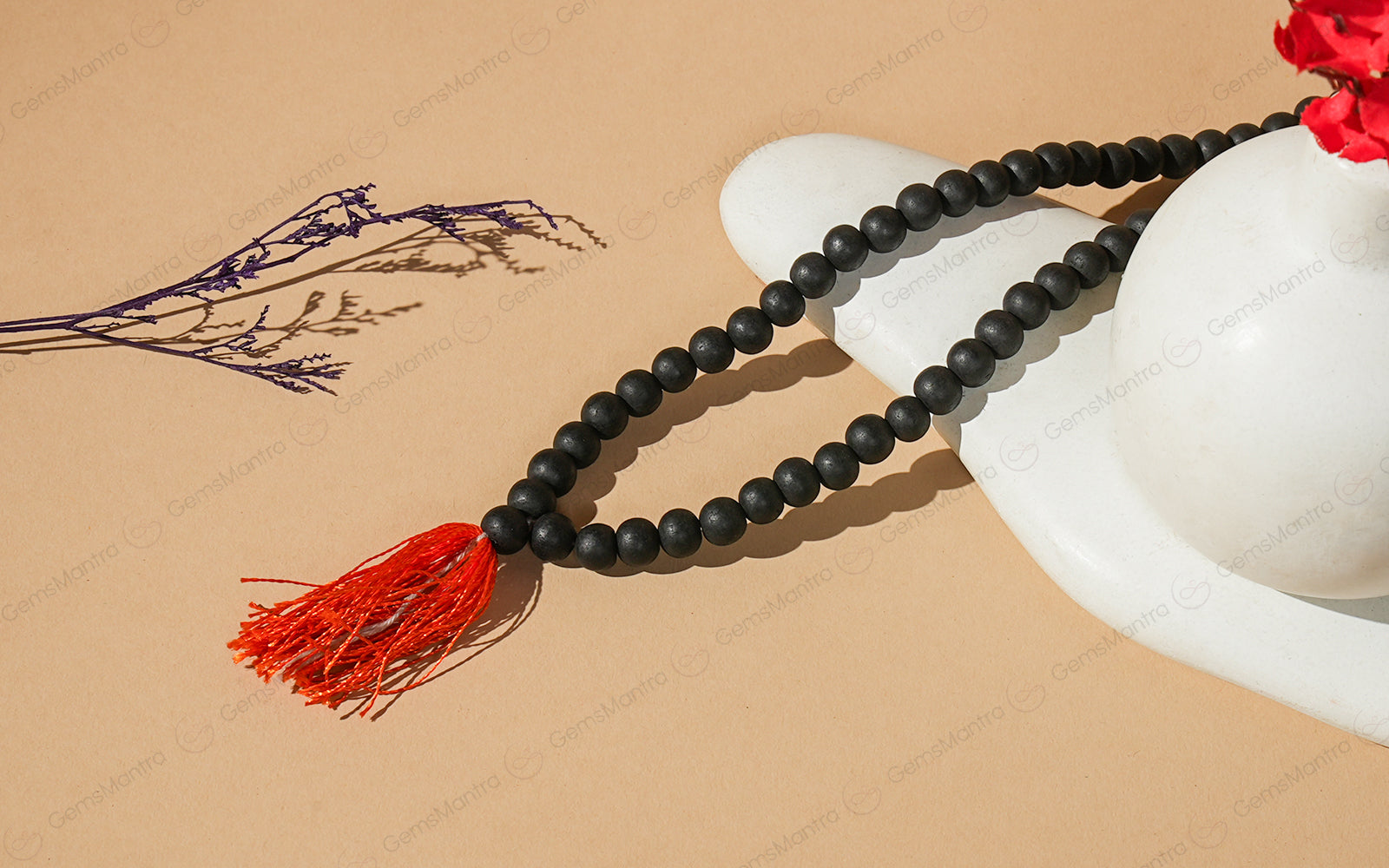
Karungali - karum kaali, black wood in Tamil - is the heartwood of the Indian ebony tree, Diospyros ebenum. It has a long tradition in Tamil Nadu and across South India as a protective material, and karungali malas are among the most widely worn items in that region's practice.
The tradition
Karungali is closely associated with Shiva and with Kali, and with the Siddha lineages of Tamil Nadu. Its use is not primarily as a japa counter - though it serves that function - but as something worn continuously for protection.
The specific concern it is traditionally used for is drishti: the evil eye, or the harm attributed to ill-wishing. Karungali malas and bracelets are commonly put on children for this reason, and worn by adults who work in public-facing or high-exposure roles.
What it is used for
- Protection from negative influence and drishti - the primary use.
- Grounding. Frequently described as steadying by people who wear it daily.
- Support in sadhana, particularly Shiva and Kali practice.
- Sleep and restlessness, in some regional traditions.
- Japa of Shiva mantras, where it substitutes for Rudraksha.
Wearing it
- Karungali is worn continuously rather than only during practice - this distinguishes it from most japa malas.
- It combines freely with Rudraksha, and karungali-and-Rudraksha combination malas are common.
- Monday is the conventional day to begin, with Om Namah Shivaya chanted 108 times before first wearing.
- There is no restriction by gender or age.
- Keep it dry. Remove it before bathing and swimming. Repeated soaking will crack the wood.
Identifying genuine karungali
Real ebony heartwood is scarce and slow-growing, so dyed substitutes are widespread. Three checks:
- The water test. Genuine ebony heartwood is denser than water and sinks. Almost all substitute woods float. This is the single most reliable check available to a buyer.
- The cloth test. Rub a bead firmly with a damp white cloth. Dyed wood transfers colour; genuine karungali does not.
- Feel and grain. Real karungali is smooth, cool to the touch and unusually heavy for wood - closer to stone than to timber. The grain is fine and tight, with little visible figure.
Genuine karungali is naturally deep black to very dark brown. It does not need dye, so any dye at all is a warning.
A note on colour: authentic karungali is not always jet black. Slight variation between beads, and a deep brown-black rather than absolute black, is normal and expected. Uniform, glossy jet black across an entire strand is more often a sign of finishing than of quality.
Care
- Keep it dry. Wipe with a dry cloth after wearing.
- Oil occasionally with a few drops of sesame or coconut oil, worked in and wiped off. This prevents drying and maintains the depth of colour.
- Cleanse with dhoop or camphor smoke rather than water.
- Store in a cotton pouch away from direct heat.
- Restring annually if worn daily - the thread wears faster than the wood.
Browse karungali malas and bracelets, or read our comparison of protection stones.
You May Also Like
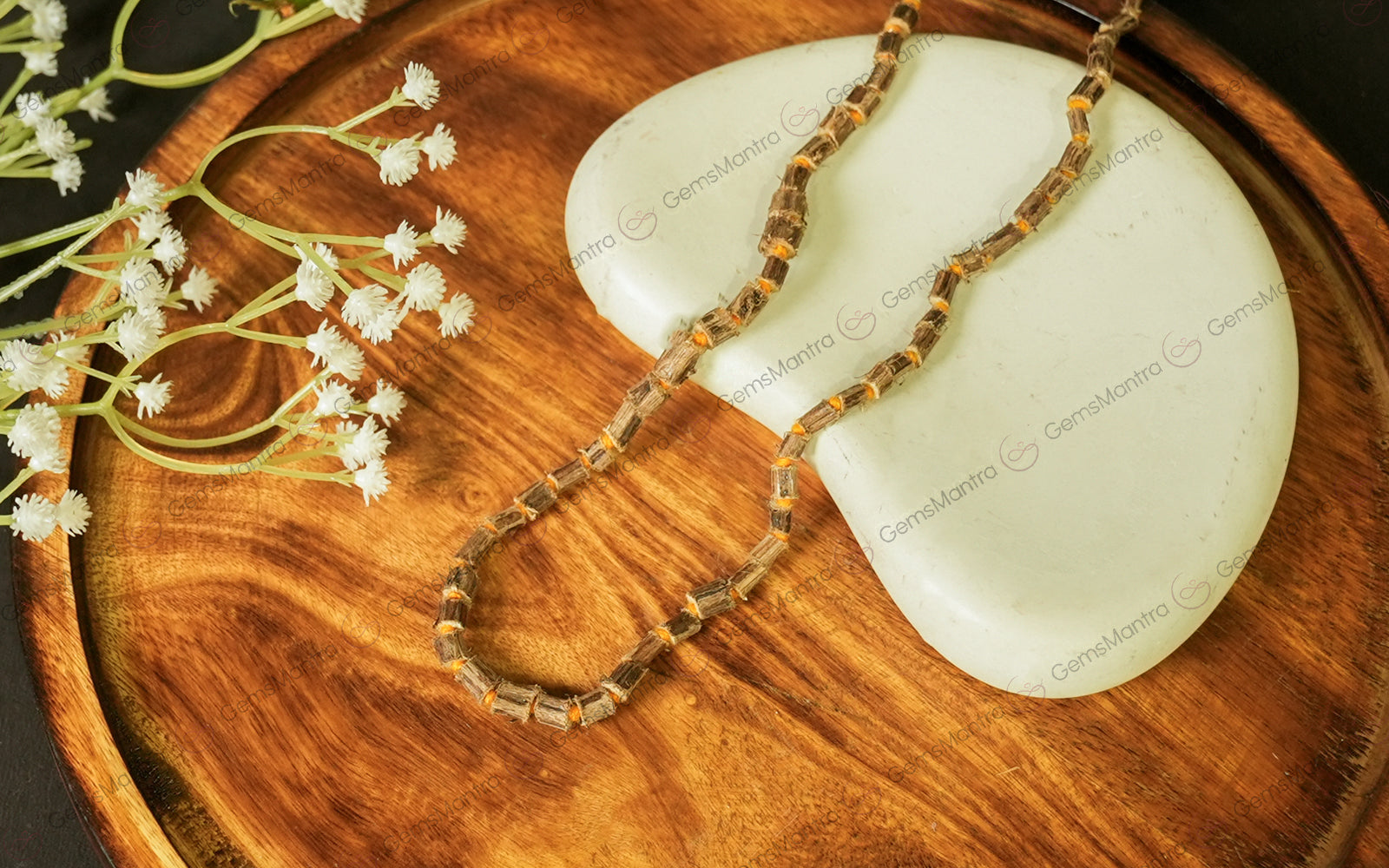
How to Care for Your Mala: Storage, Cleaning and When to Restring
A mala in daily use takes friction at 108 knots. Material-by-material care, the signs a thread is about to fail, and what to do if it breaks mid-practice.
Read Full Article →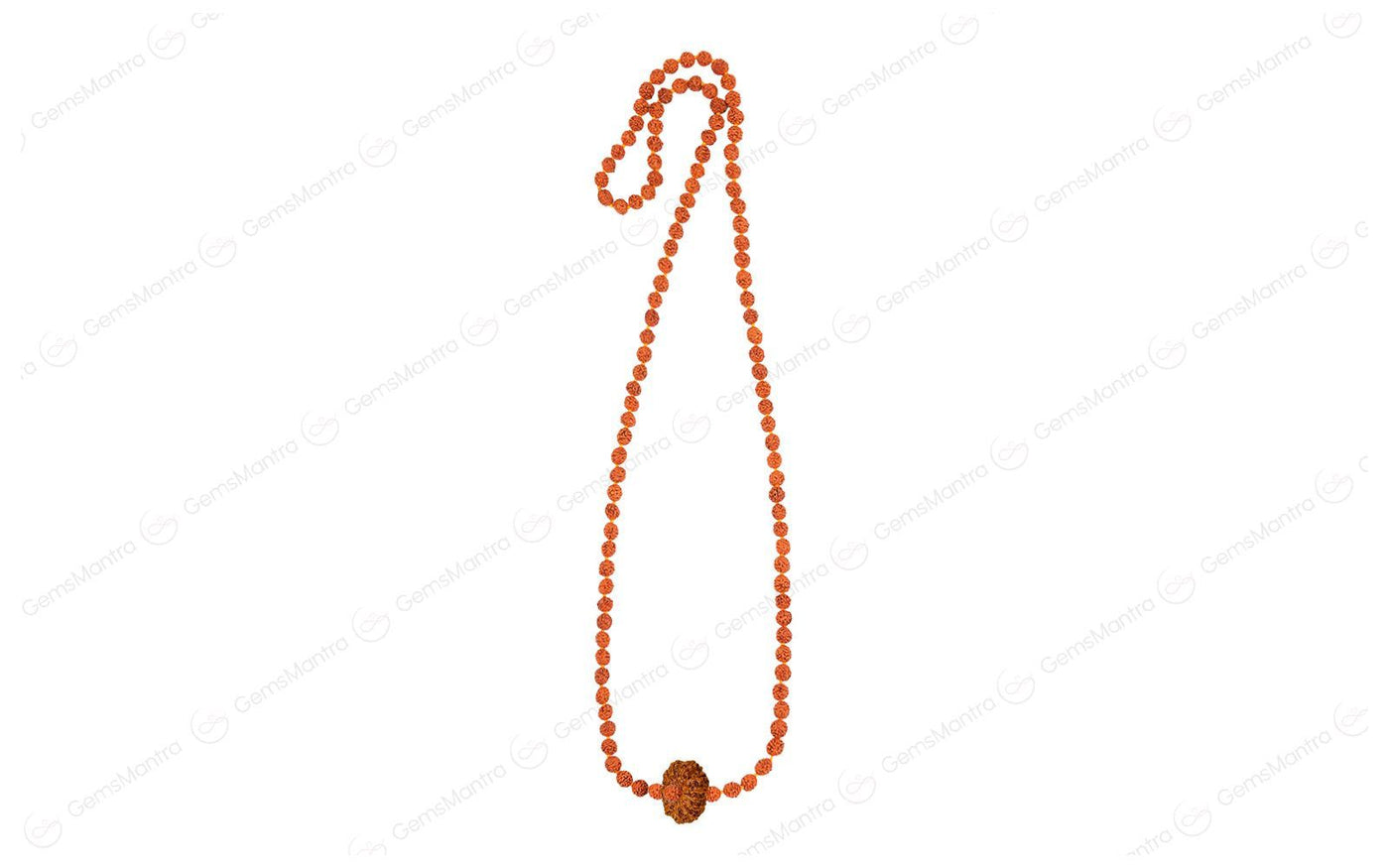
Siddha Mala, Rudra Mala and Indra Mala: What the Names Mean
The three classical Rudraksha mala configurations, what each contains, what they cost, and how to tell a genuine Siddha mala from a marketing label.
Read Full Article →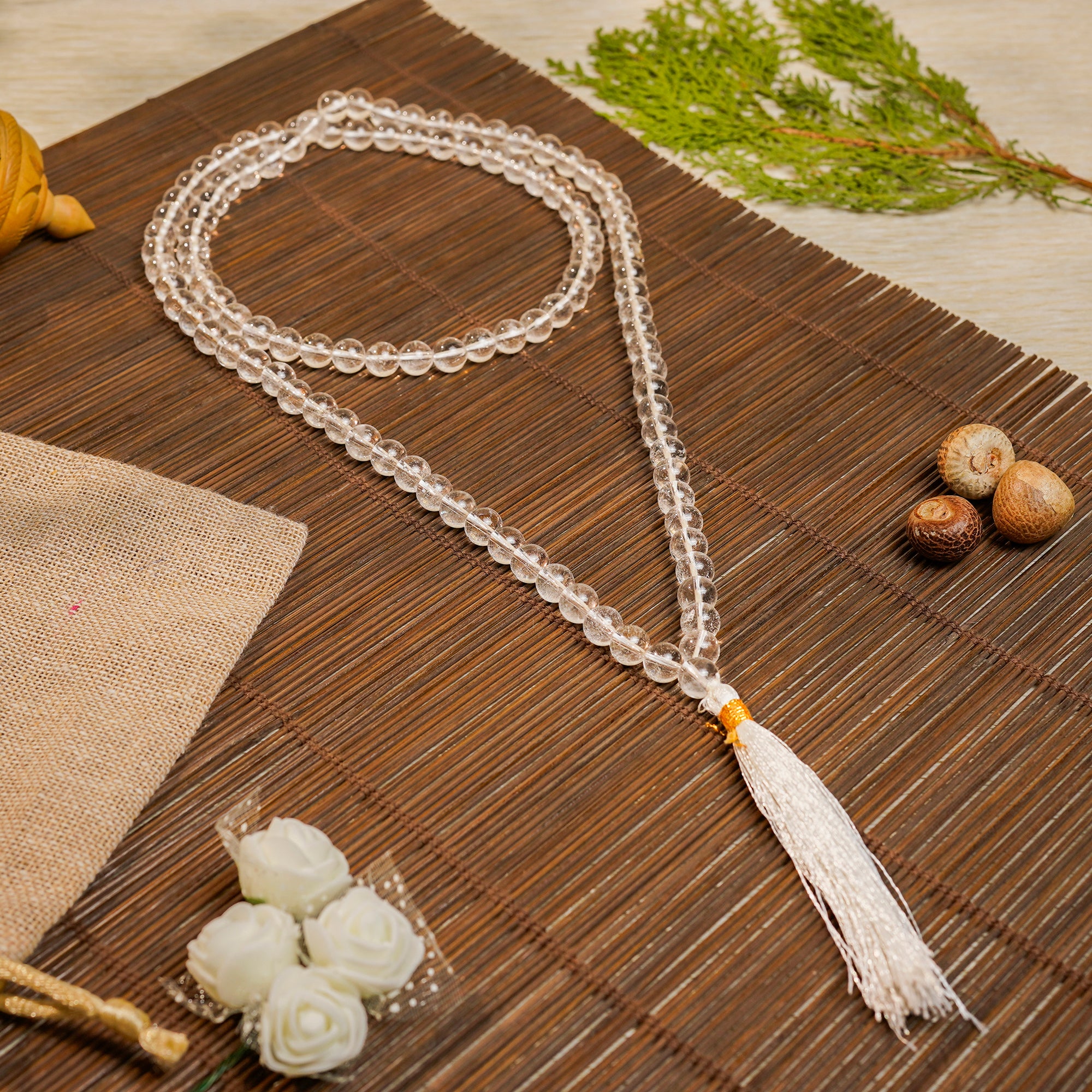
Sphatik Mala: The Cooling Crystal Mala for Sadhana
Sphatik is clear quartz, and its mala is the one recommended when the practice - or the practitioner - runs hot. Also the easiest mala to fake with glass.
Read Full Article →0 Comments
Be the first to share your thoughts on this article.
Leave a Comment
Your comment will be reviewed by our team before it appears publicly.