
How to Care for Your Mala: Storage, Cleaning and When to Restring
Jun 16, 2026
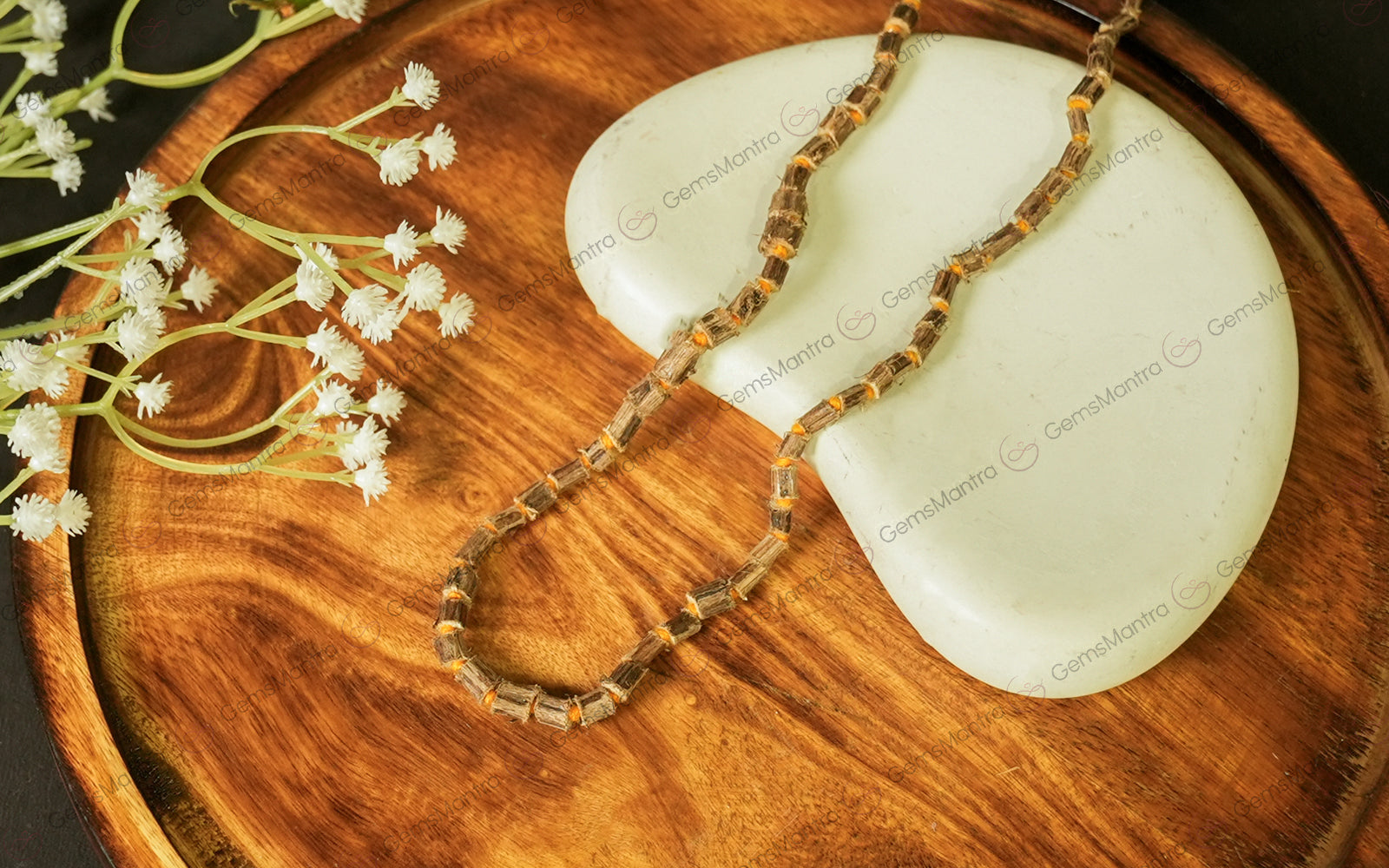
A mala used daily is handled thousands of times a month. The beads usually outlast their owner; the thread rarely lasts two years. Most of mala care is simply paying attention to the thread before it decides for you.
Care by material
Rudraksha
Clean with lukewarm water and a soft brush to clear the grooves, air dry fully in shade, then oil lightly every two to three months. No soap, no direct sun. Full detail in our Rudraksha cleaning and oiling guide.
Tulsi and sandalwood
Keep them dry. Wipe with a dry cloth only - water swells and cracks these soft woods. If a tulsi mala looks dull, work in a trace of sandalwood or coconut oil and wipe off the excess. Never soak.
Sphatik and crystal
Rinse with lukewarm water and dry with a soft cloth. Keep out of direct sunlight - faceted quartz focuses light, and amethyst and rose quartz fade. Cleanse periodically with moonlight, smoke or sound.
Karungali and ebony
Keep dry, wipe with a dry cloth, and oil occasionally with sesame or coconut oil. Cleanse with smoke rather than water.
Metal-capped beads
Silver caps tarnish. Polish with a proper silver cloth, keeping polish away from the bead itself. Never use liquid silver dip on a strung mala - it will get into the beads and the thread.
Storage
- A cotton or silk pouch - the traditional and the practical choice. Not a plastic bag, which traps moisture.
- Keep it in the puja space rather than a general drawer.
- Do not hang it from a hook for long periods. Constant tension on one point is what stretches and weakens the thread.
- Keep it off the floor, and away from bathrooms.
- Store malas separately from each other. Crystal beads will scratch wood and Rudraksha.
Restringing
Signs the thread is going:
- Visible fraying, particularly at the guru bead where tension is highest.
- Gaps opening between beads - the thread has stretched.
- Discoloured, stiff or grubby cord.
- Knots working loose between beads.
Intervals: roughly annually for a mala in daily japa; every two to three years for occasional use; immediately after any water damage.
Thread choice: silk is traditional and the most pleasant to handle. Cotton is acceptable. Nylon lasts longest and is the practical choice for a mala worn constantly. Traditional colours are red, black or saffron.
Knotting: a knot between each bead is traditional. It prevents bead-on-bead abrasion, gives a better feel under the thumb, and means a broken thread loses one bead rather than all 108.
If your mala breaks
A mala breaking during practice is often read as inauspicious. The more common view among practitioners is more grounded: it means the thread was worn out, and it is a signal to renew rather than an omen.
- Gather every bead. Count them.
- If beads are lost, the mala is traditionally retired rather than completed with replacements from another source.
- Clean the beads before restringing.
- Restring with fresh thread, keeping the original bead order and the guru bead in place.
- Re-energise before returning it to use - chant your mantra 108 times holding the restrung mala.
Retiring a mala
When beads crack, wear thin or are lost, a mala is traditionally retired rather than discarded. The usual practice is immersion in a river or the sea, or burial at the root of a tree. Some keep a retired mala permanently in the puja space. It is not thrown away with household waste.
Browse japa malas, or read how to do japa with a mala.
You May Also Like
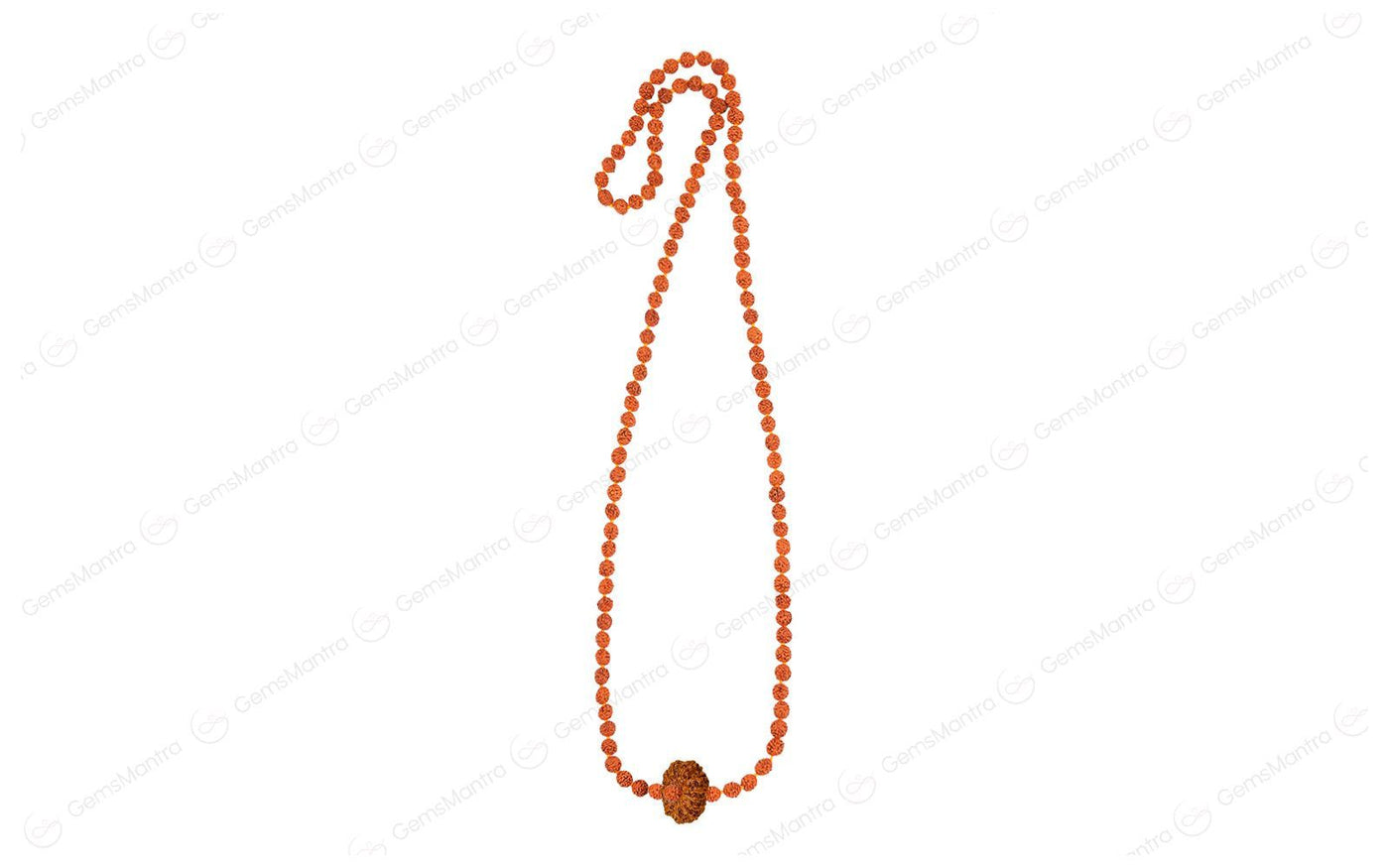
Siddha Mala, Rudra Mala and Indra Mala: What the Names Mean
The three classical Rudraksha mala configurations, what each contains, what they cost, and how to tell a genuine Siddha mala from a marketing label.
Read Full Article →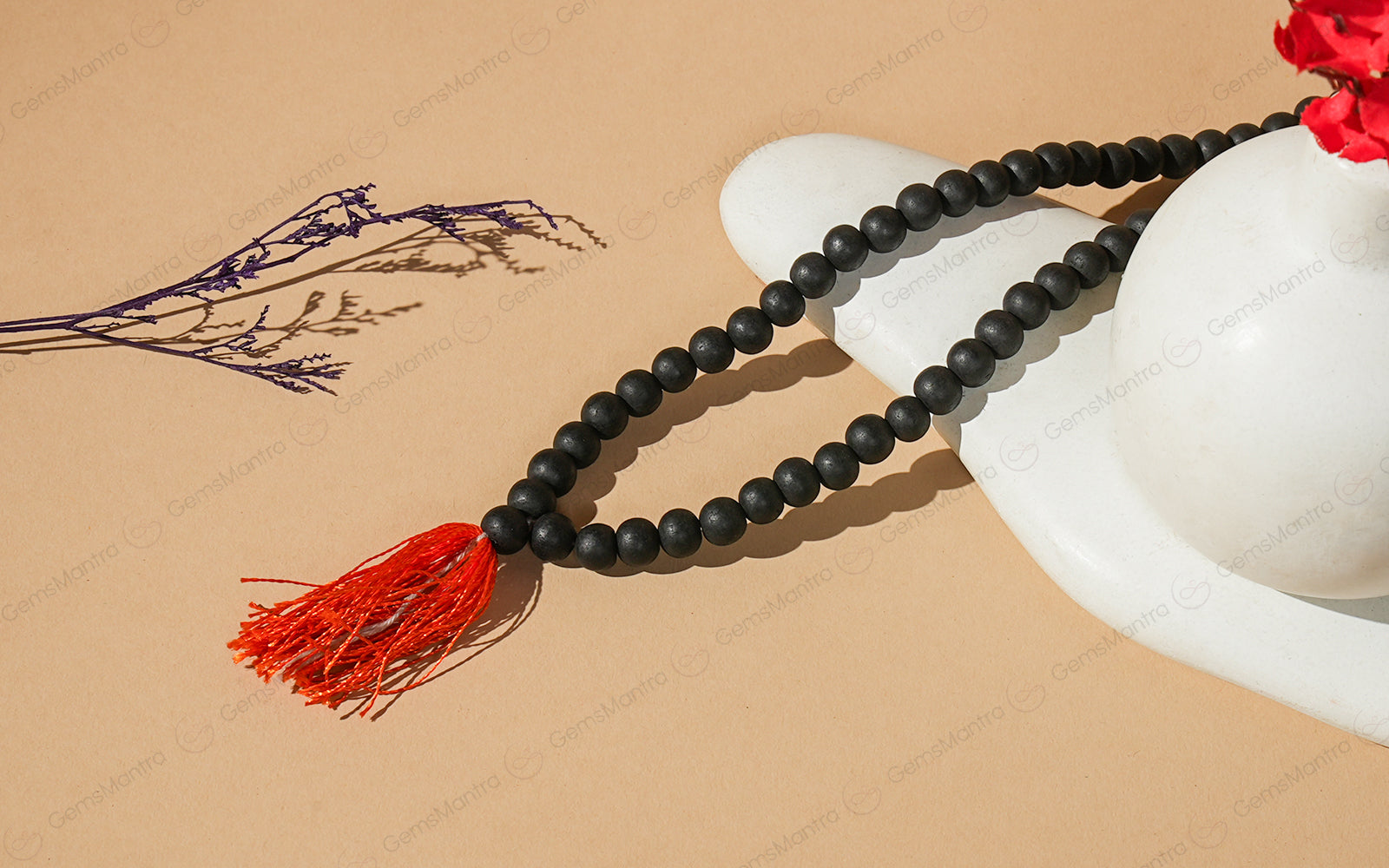
Karungali Mala: The South Indian Tradition of Protection
Karungali is ebony heartwood, worn for protection in Tamil practice. Its tradition, its use, and the water test that separates real ebony from dyed wood.
Read Full Article →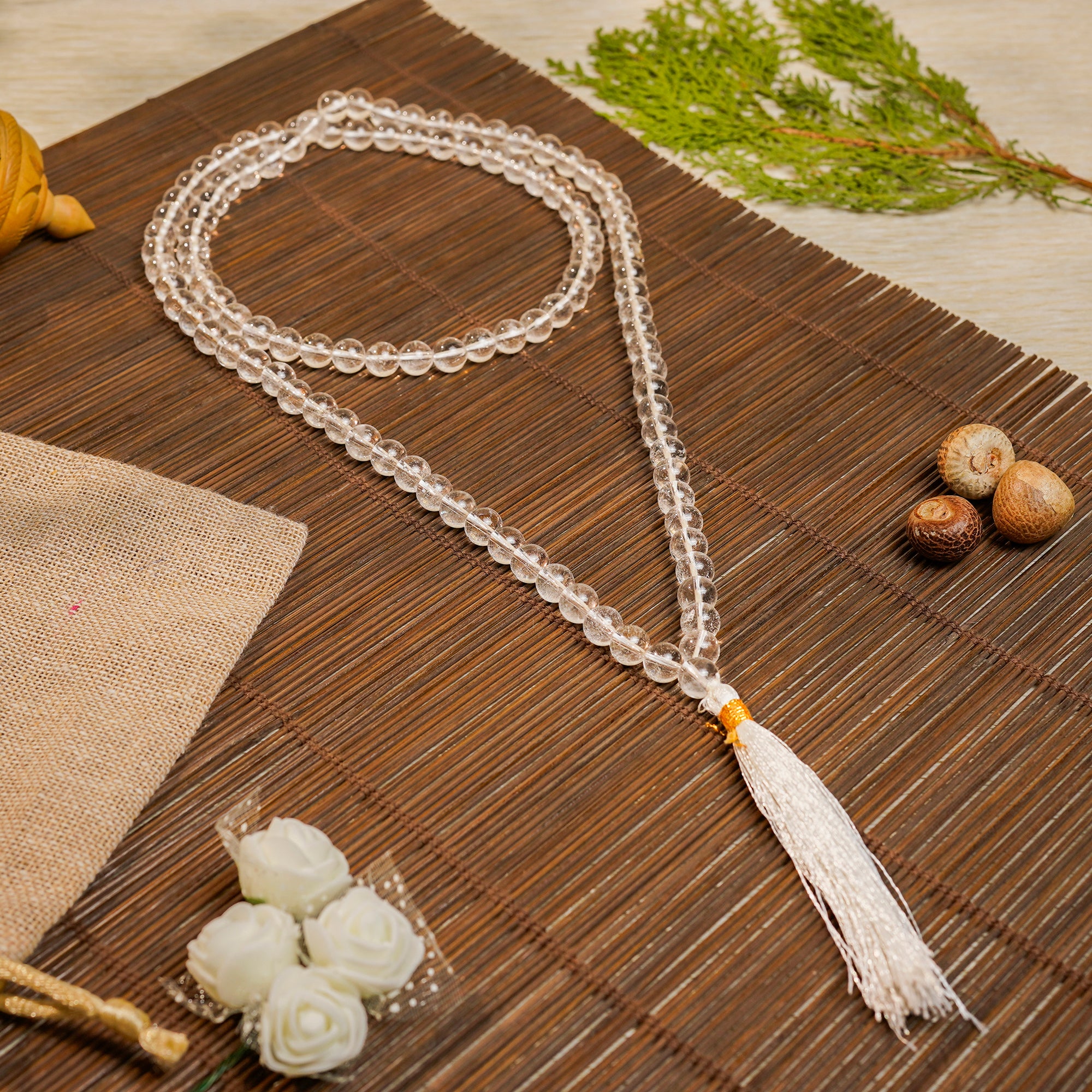
Sphatik Mala: The Cooling Crystal Mala for Sadhana
Sphatik is clear quartz, and its mala is the one recommended when the practice - or the practitioner - runs hot. Also the easiest mala to fake with glass.
Read Full Article →0 Comments
Be the first to share your thoughts on this article.
Leave a Comment
Your comment will be reviewed by our team before it appears publicly.