
How to Do Japa With a Mala: A Step-by-Step Guide for Beginners
Jun 10, 2025
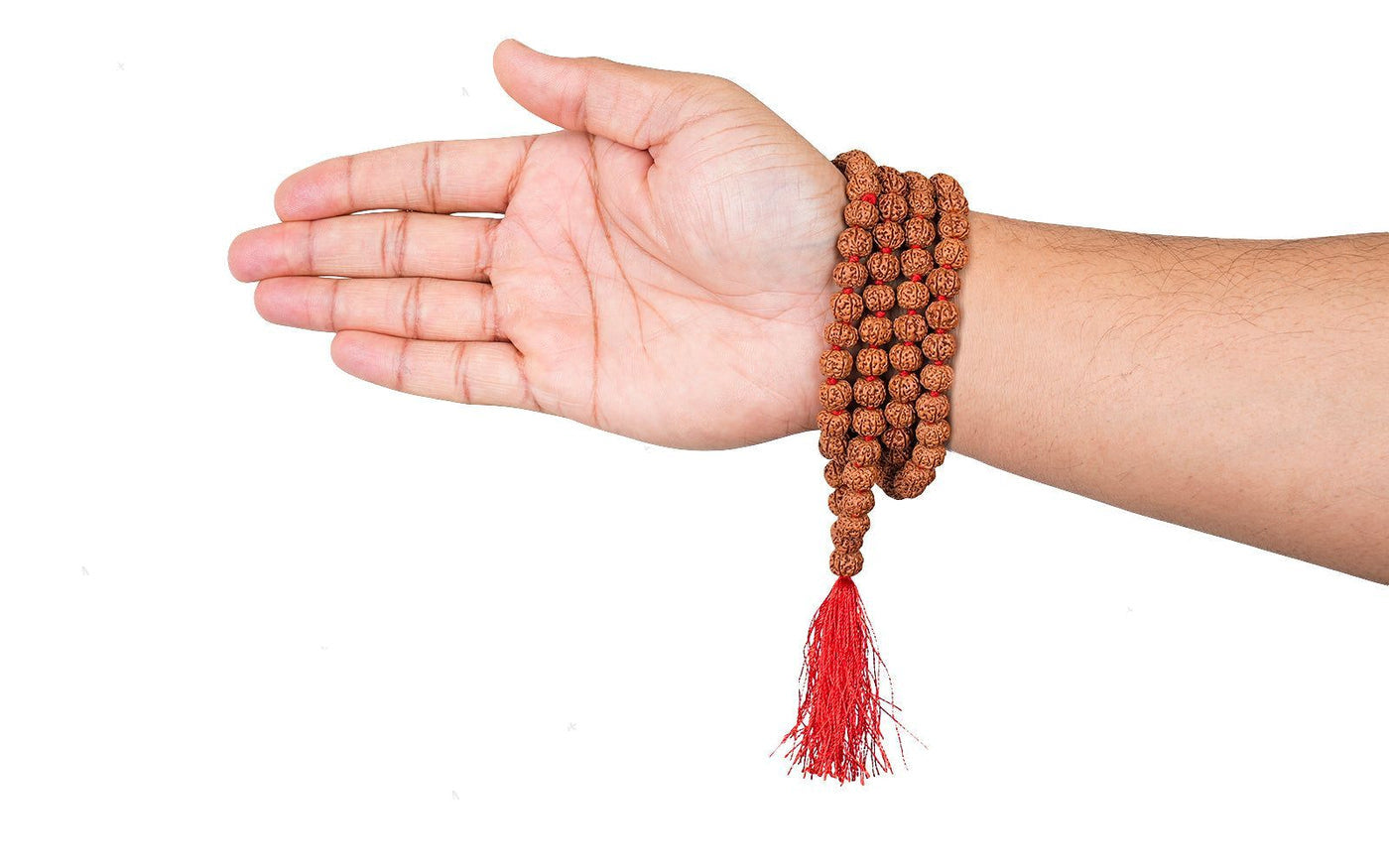
Japa is the repetition of a mantra, and a mala is the tool for counting it. The technique takes five minutes to learn and a long time to exhaust. Here is how to start properly.
Before you begin
- Choose a mantra. If you have received one from a teacher, use it. Otherwise Om Namah Shivaya, Om Namo Bhagavate Vasudevaya, the Gayatri mantra or simply Om are all traditional and safe starting points.
- Choose a mala. Rudraksha for Shiva practice, tulsi for Vishnu and Krishna, sphatik for cooling and general use, sandalwood for devotional practice.
- Choose a time. Brahma Muhurat - roughly 90 minutes before sunrise - is traditional. Early morning or evening at a consistent hour works. Consistency matters more than the hour.
- Choose a place. The same clean, quiet spot each day. Facing east or north is conventional.
- Sit. Cross-legged on a mat if comfortable, or on a chair with feet flat and spine upright. A woollen or cotton asana is traditional.
Holding the mala
This is the part people most often get wrong.
- Hold the mala in your right hand.
- Drape it over the middle finger.
- Move each bead with your thumb, drawing it towards you.
- Do not use the index finger. The index finger represents the ego in this tradition and is kept extended, away from the mala.
- Keep the mala from touching the ground - resting the hand near the heart, or on a cloth in your lap, is the usual arrangement.
The practice
- Start at the bead immediately beside the guru bead - not on the guru bead itself.
- Repeat your mantra once, then move to the next bead with the thumb.
- Continue until you return to the guru bead. That is one round: 108 repetitions.
- Do not cross the guru bead. If you are continuing, turn the mala around and go back the way you came.
- When finished, touch the guru bead to your forehead or heart in acknowledgement.
The three types of japa
- Vaikhari - spoken aloud. Best for beginners: hearing the mantra holds attention when the mind is restless.
- Upamshu - whispered, with the lips moving but barely audible. The usual intermediate stage.
- Manasika - purely mental. Considered the most potent and the hardest, because there is nothing external to hold you.
Most practitioners begin aloud and move inward over months. There is no need to rush the sequence.
How long and how much
One round of 108 takes roughly 8 to 15 minutes depending on mantra length and pace. Start with one round daily. Many traditions treat 11 rounds - 1,188 repetitions - as a full formal practice, and a 40-day unbroken commitment (a mandala) is the classical unit for establishing one.
One round every day for a month is worth more than eleven rounds once.
Common mistakes
- Using the index finger to move the beads.
- Crossing the guru bead instead of reversing.
- Rushing. Speed does not increase merit. A steady, unhurried pace is the point.
- Changing mantras frequently. Stay with one long enough for it to settle.
- Letting the mala touch the floor, or using it as ordinary jewellery. A japa mala is traditionally kept for practice.
- Practising in different places at different times, which prevents the routine from establishing itself.
Aftercare
Keep the mala in a cloth pouch when not in use, and store it in your puja space rather than a drawer. Clean and restring it periodically - see how to care for your mala.
Browse japa malas, or read why a mala has 108 beads.
You May Also Like
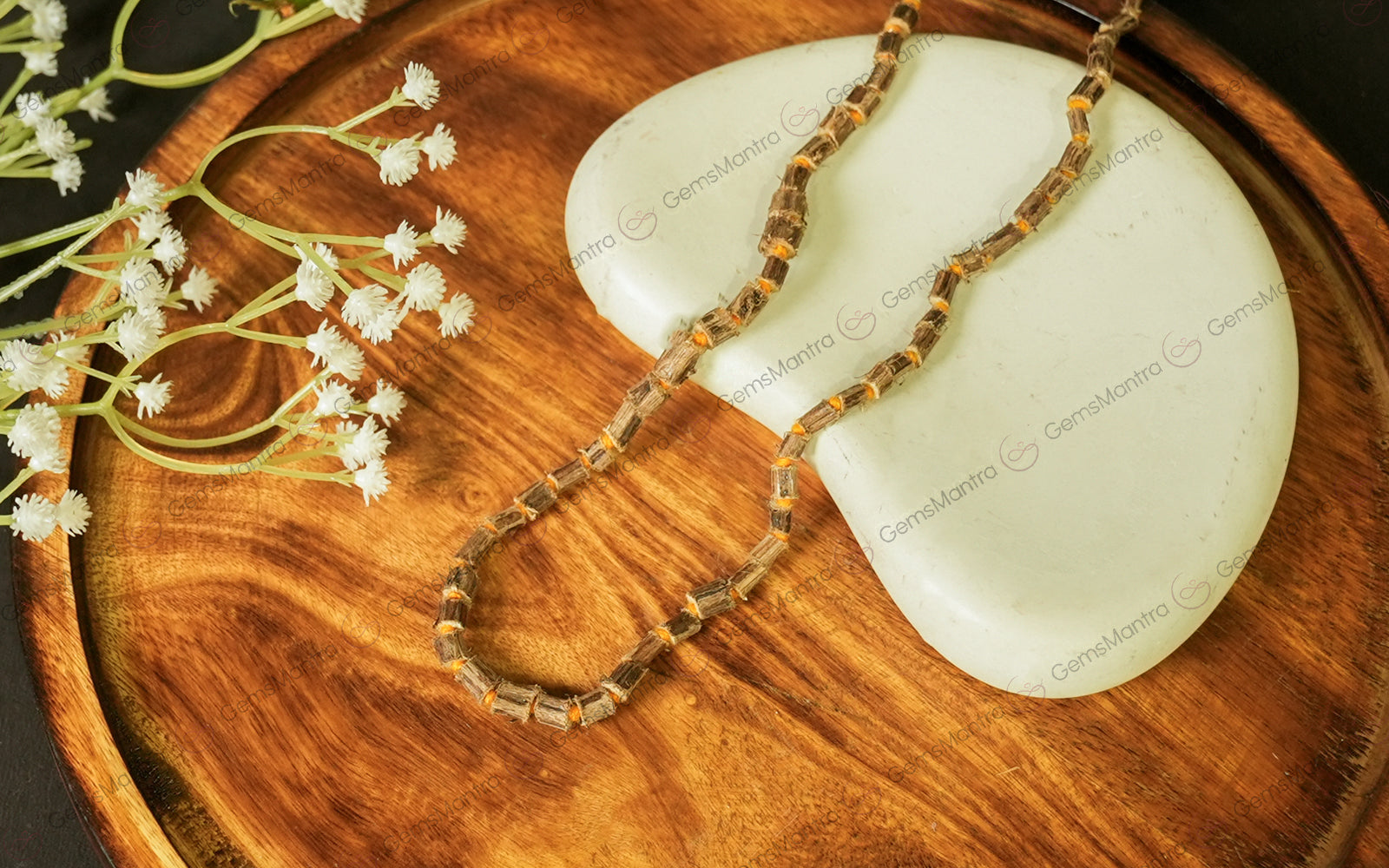
How to Care for Your Mala: Storage, Cleaning and When to Restring
A mala in daily use takes friction at 108 knots. Material-by-material care, the signs a thread is about to fail, and what to do if it breaks mid-practice.
Read Full Article →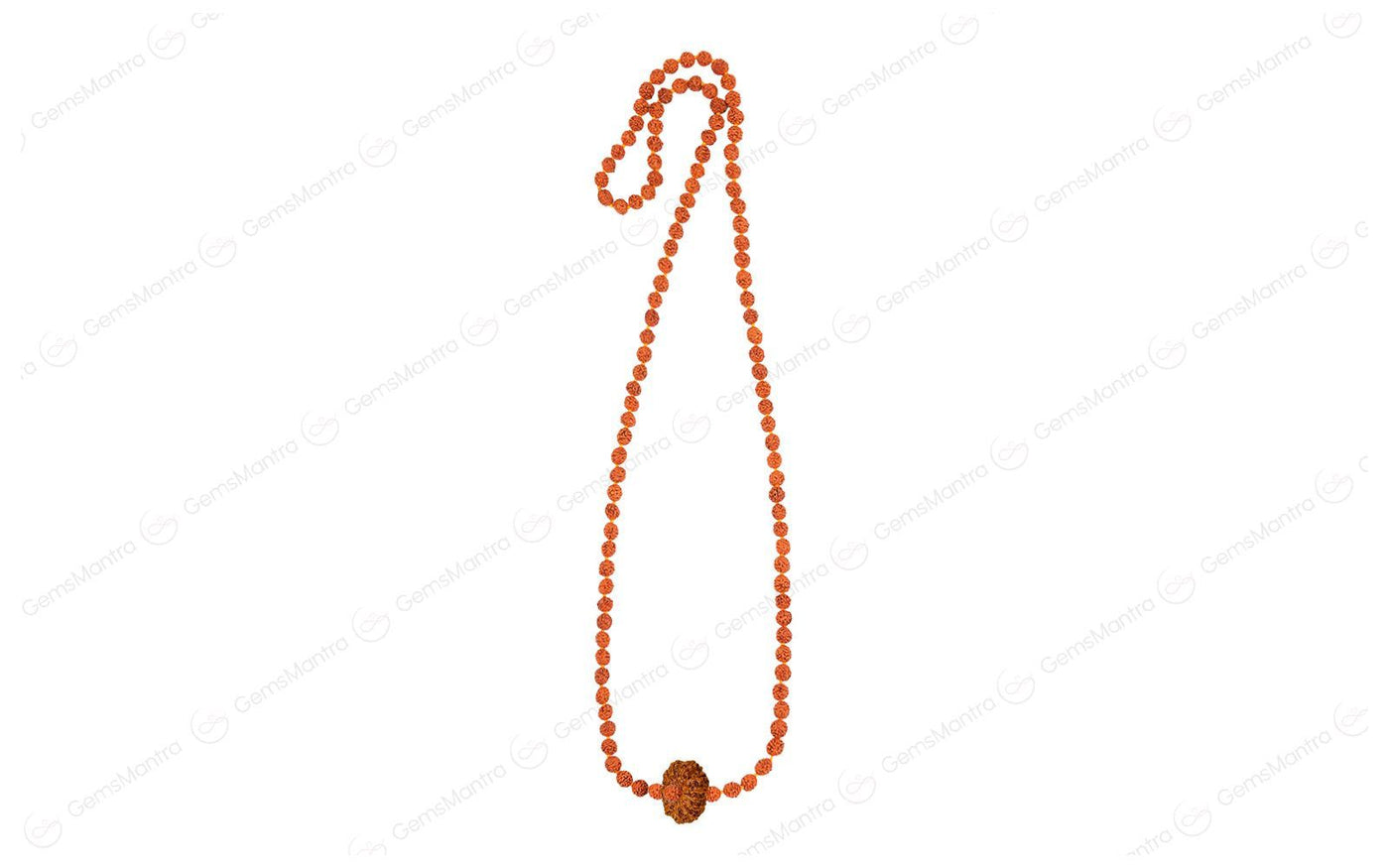
Siddha Mala, Rudra Mala and Indra Mala: What the Names Mean
The three classical Rudraksha mala configurations, what each contains, what they cost, and how to tell a genuine Siddha mala from a marketing label.
Read Full Article →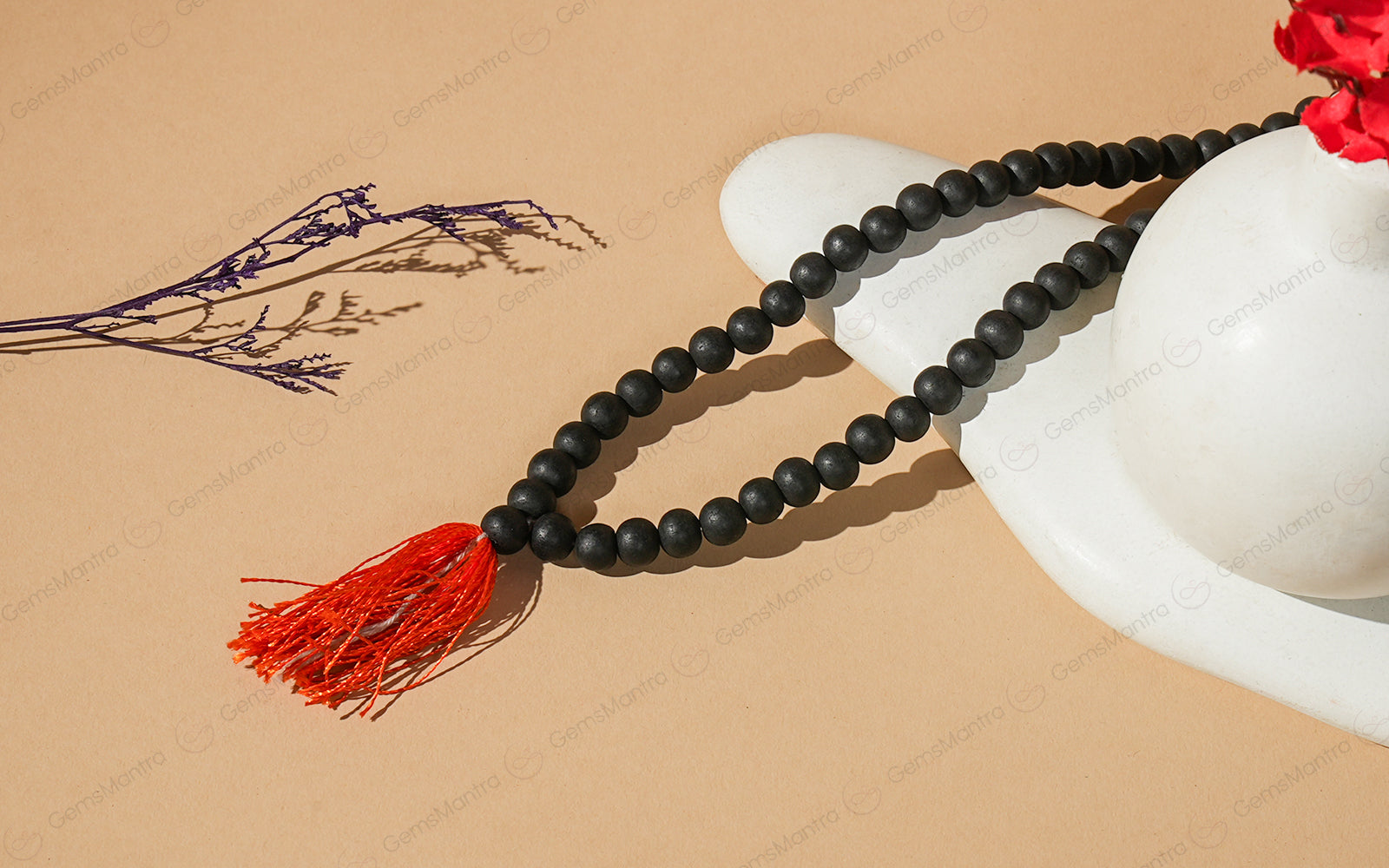
Karungali Mala: The South Indian Tradition of Protection
Karungali is ebony heartwood, worn for protection in Tamil practice. Its tradition, its use, and the water test that separates real ebony from dyed wood.
Read Full Article →0 Comments
Be the first to share your thoughts on this article.
Leave a Comment
Your comment will be reviewed by our team before it appears publicly.