
Siddha Mala, Rudra Mala and Indra Mala: What the Names Mean
Mar 10, 2026
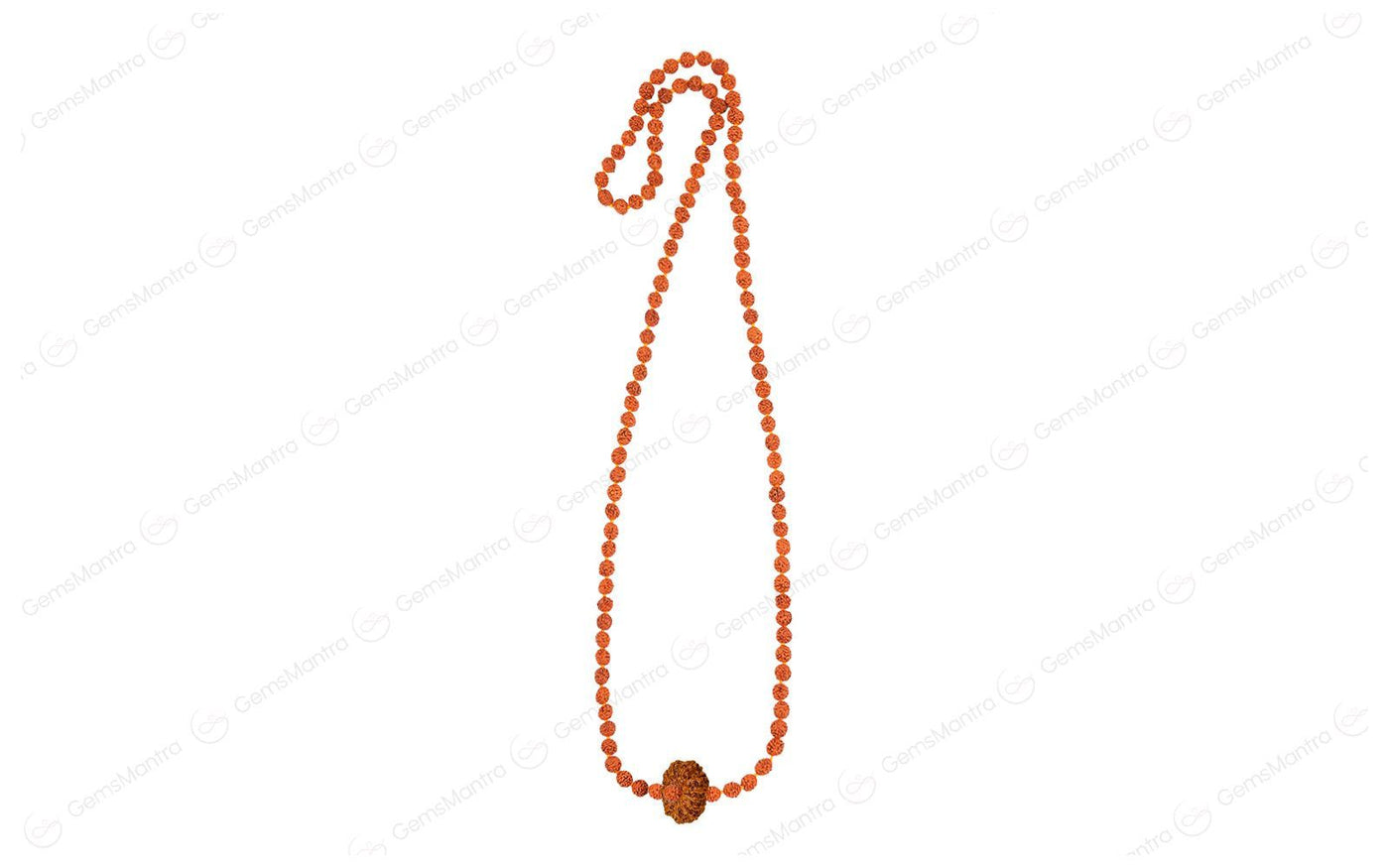
These three names appear constantly in Rudraksha listings, and they are used loosely often enough that it is worth knowing what each traditionally denotes - and what it should cost if it is genuine.
Siddha Mala
The classical Siddha mala contains one bead of each mukhi from 1 to 14, strung in sequence. Many versions add a Ganesh Rudraksha and a Gauri Shankar, and the guru bead is often a 1 Mukhi Sawar.
Siddha means accomplished or perfected. The intent behind the configuration is completeness: every planetary influence addressed in a single piece, so no single graha is amplified in isolation. It is the Rudraksha equivalent of the Navratna approach to gemstones.
What it should cost: a genuine Siddha mala includes single beads of 11, 12, 13 and 14 Mukhi. Those four alone are expensive. A Siddha mala offered at a low price is either using substituted beads - most often 5 Mukhi with carved lines - or is not what it claims. This is the most commonly misrepresented mala in the market.
How to verify: insist on a per-bead certificate, or a single report listing each bead's mukhi count. Ask for photographs of the actual mala with the higher-mukhi beads visible. See how to identify original Rudraksha for the checks on individual beads.
Rudra Mala
A Rudra mala is a full 108-bead mala made of Rudraksha, usually of a single mukhi - most commonly 5 Mukhi - with a guru bead. It is the working japa mala of Shiva practice, and the most practical of the three.
The term is sometimes used more loosely for any Rudraksha mala. Where a specific mukhi matters to you, ask for it to be stated explicitly rather than relying on the name.
What it should cost: a 108-bead 5 Mukhi Indonesian mala is genuinely affordable. A Nepali-bead 108 mala is a serious purchase, because 108 large Nepali beads represent a great deal of material.
Indra Mala
The rarest of the three, and the one most often invoked without substance. The classical Indra mala is described as containing beads from 1 to 21 Mukhi, together with the special forms - Ganesh, Gauri Shankar, Trijuti, Sawar and Garbh Gauri.
Assembling one genuinely means sourcing single specimens of 15 through 21 Mukhi, each of which is scarce, plus a verified Trijuti. Very few authentic Indra malas exist, and the price reflects that.
Be direct with yourself about this one: if an Indra mala is being offered at a price you can comfortably afford, it is not an Indra mala. Every bead should carry its own laboratory report.
Choosing between them
| If you want... | Choose |
|---|---|
| A daily japa mala | Rudra mala, 5 Mukhi |
| Broad astrological coverage in one piece | Siddha mala |
| A specific remedial effect | Individual beads on advice, not a mala |
| Something to wear daily | Rudra mala or a 2-3 bead combination |
| A collection piece | Siddha mala from a certified source |
Smaller combinations worth knowing
Between a single bead and a full Siddha mala there are several standard groupings that cost far less and are frequently more useful:
- 5 + 7 Mukhi - calm with prosperity. Probably the most-recommended pair.
- 6 + 7 Mukhi - willpower with wealth.
- 5 + 6 + 7 Mukhi - the common foundation trio.
- 7 + 8 Mukhi - prosperity with obstacle removal.
Browse Rudraksha malas and certified combinations, or get a chart-based suggestion from the Rudraksha recommendation tool.
You May Also Like
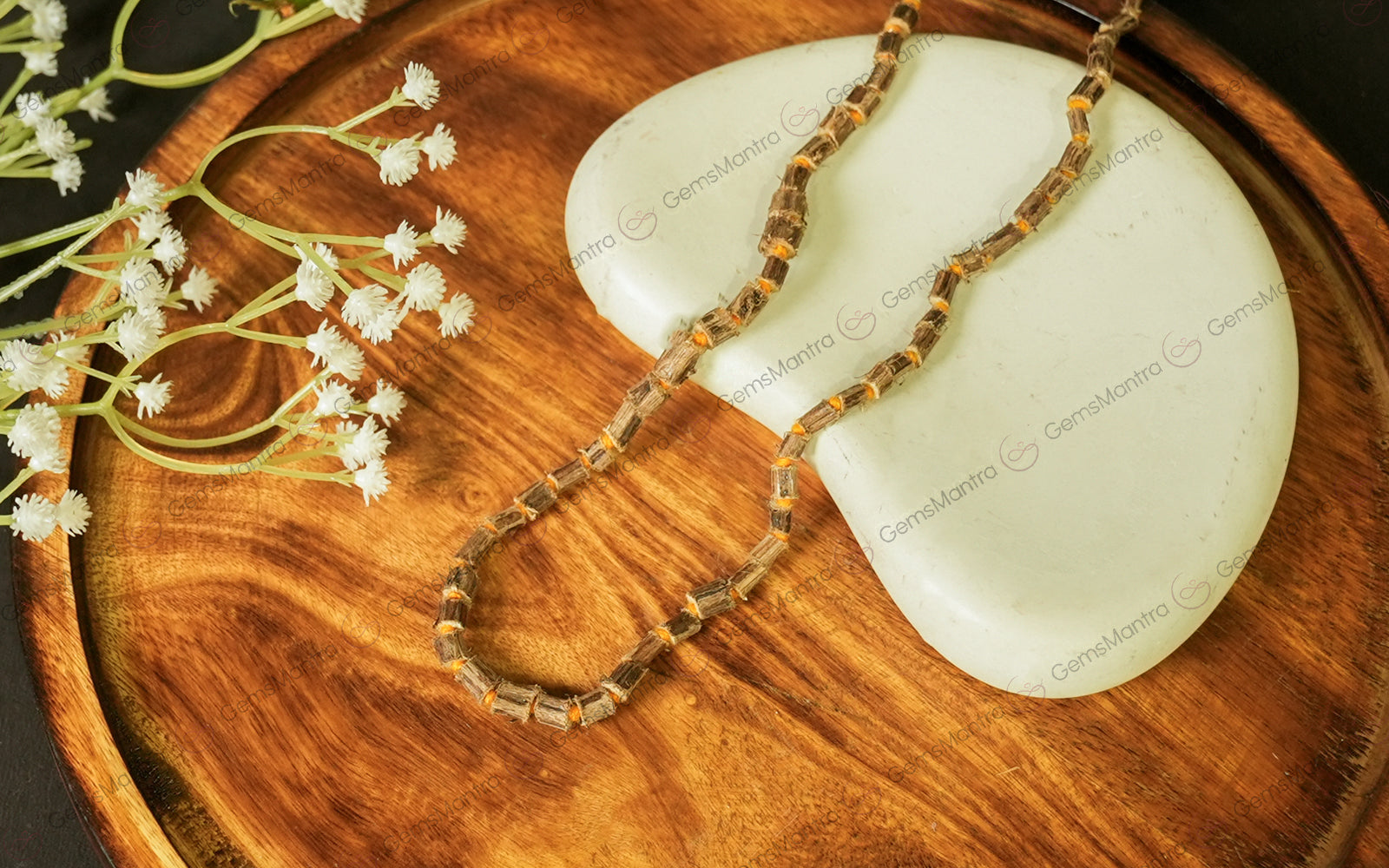
How to Care for Your Mala: Storage, Cleaning and When to Restring
A mala in daily use takes friction at 108 knots. Material-by-material care, the signs a thread is about to fail, and what to do if it breaks mid-practice.
Read Full Article →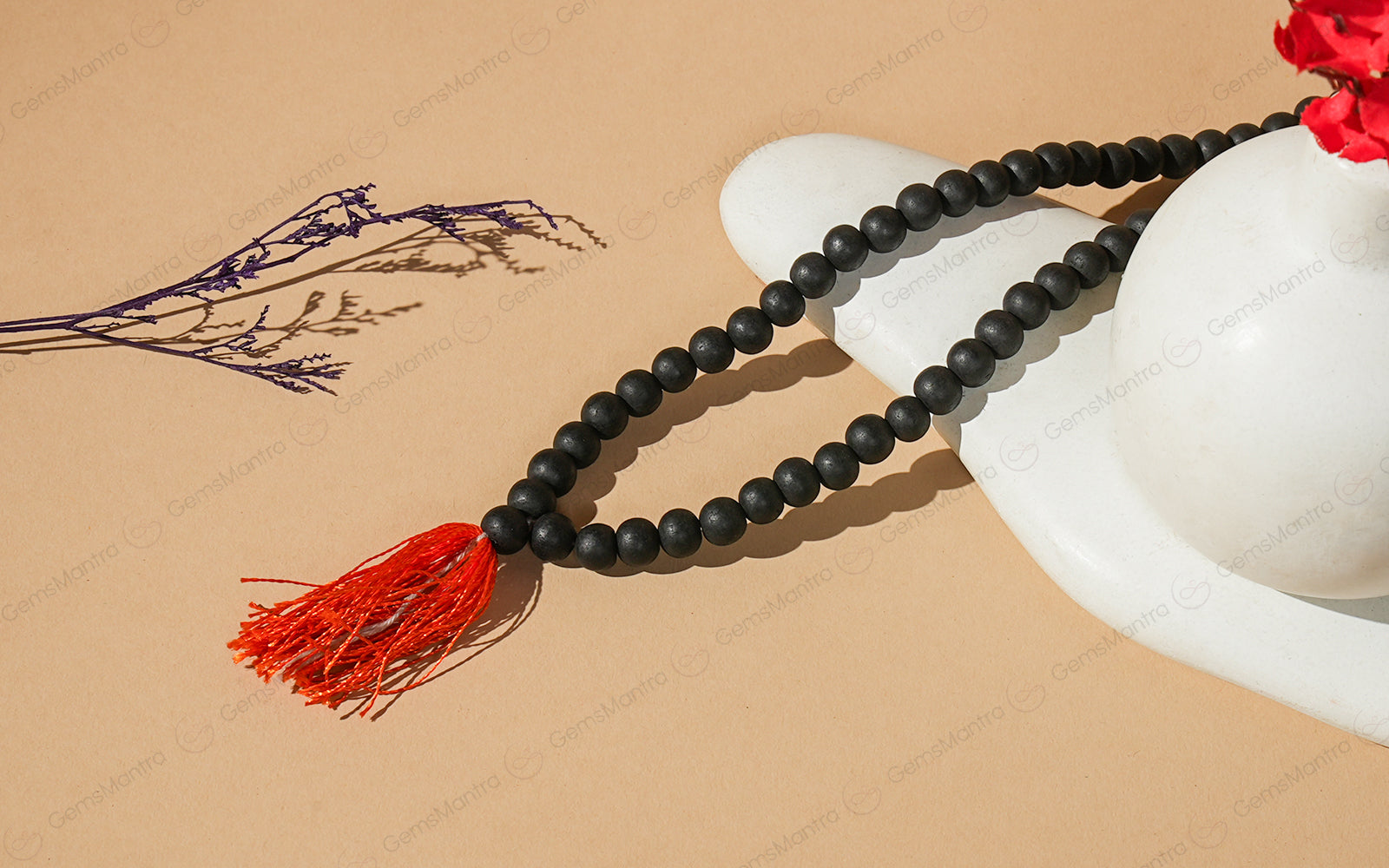
Karungali Mala: The South Indian Tradition of Protection
Karungali is ebony heartwood, worn for protection in Tamil practice. Its tradition, its use, and the water test that separates real ebony from dyed wood.
Read Full Article →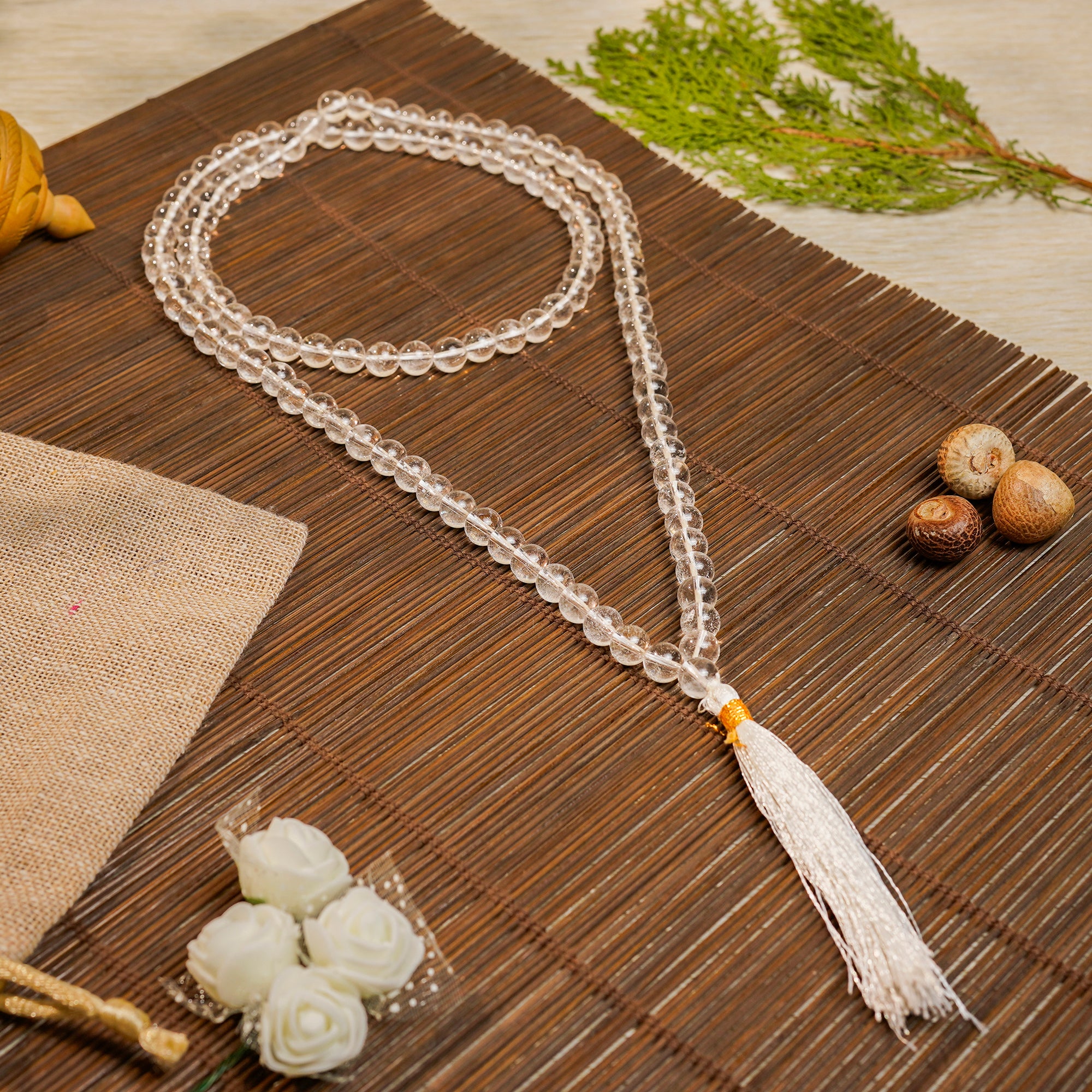
Sphatik Mala: The Cooling Crystal Mala for Sadhana
Sphatik is clear quartz, and its mala is the one recommended when the practice - or the practitioner - runs hot. Also the easiest mala to fake with glass.
Read Full Article →0 Comments
Be the first to share your thoughts on this article.
Leave a Comment
Your comment will be reviewed by our team before it appears publicly.