
How to Identify Original Rudraksha: 7 Checks That Work, 3 Myths That Don't
Jun 3, 2025
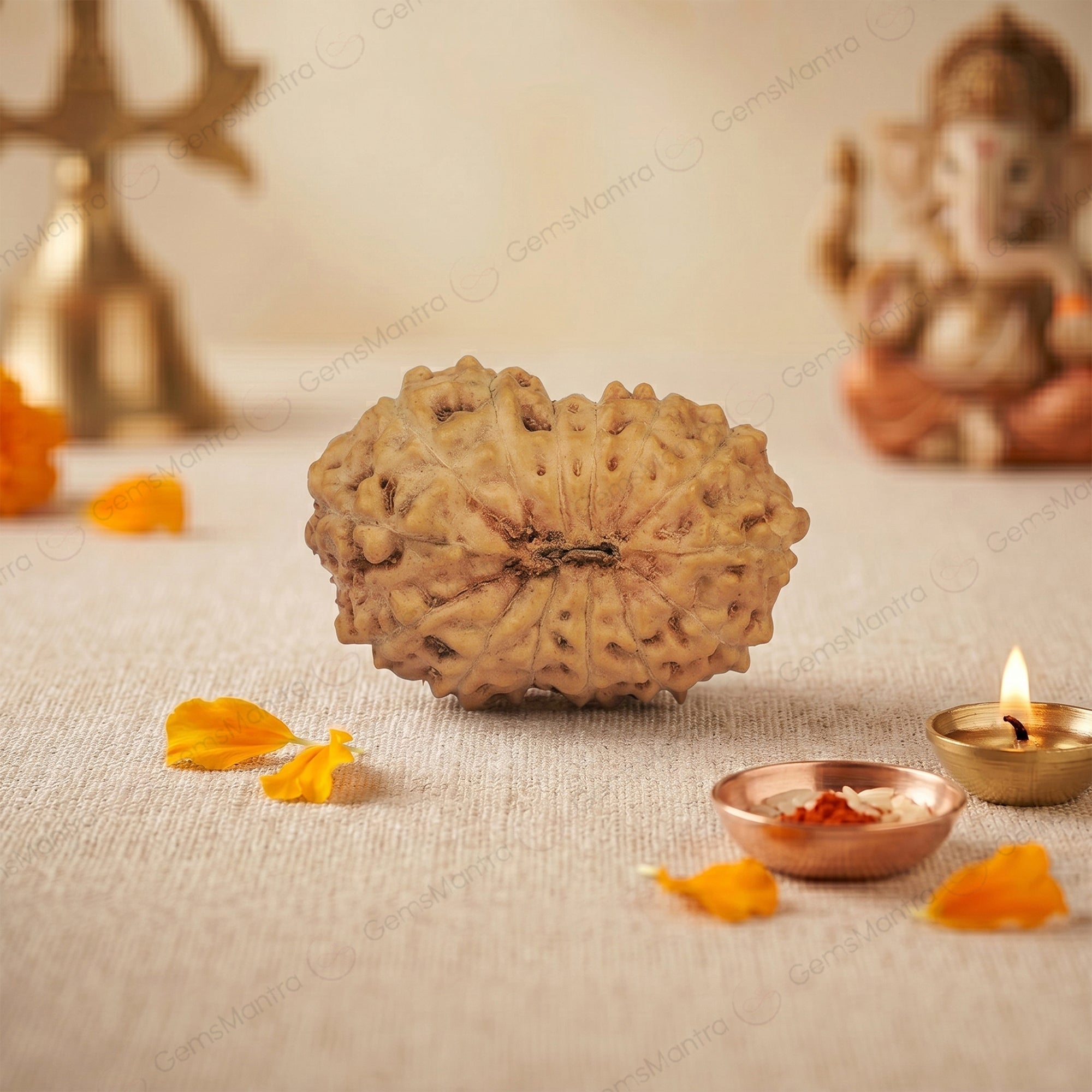
Search for how to test Rudraksha and you will be told to drop it in water, or balance it between two copper coins. Both tests are repeated so often that they have become received wisdom. Neither is reliable, and trusting them has cost buyers a great deal of money.
The three myths first
The water test. The claim: a real bead sinks, a fake floats. The problem: buoyancy depends on the bead's density and moisture content, not authenticity. Well-dried genuine beads float. Fakes made from dense wood or resin sink. Some sellers deliberately soak beads before demonstrating the test.
The copper-coin test. The claim: a real bead placed between two copper coins rotates. The problem: rotation is caused by an uneven centre of gravity and the slightest air movement or hand tremor. Irregular fakes rotate too, and perfectly genuine symmetrical beads do not.
The milk test. The claim: milk changes colour or does not spoil. There is no mechanism for this and no consistent result.
None of these tests can distinguish a genuine 6 Mukhi from a genuine 5 Mukhi with a carved sixth line - which is the fraud that actually costs buyers money.
Seven checks that do work
- Trace every mukhi line end to end. A natural line runs continuously from the top hole to the bottom hole and follows the bead's contours. A carved line wanders, changes depth, or fades out partway. This is the single most useful check.
- Look for surface uniformity. Natural beads are irregular - no two are alike. If several beads in a strand share identical ridge patterns, they were moulded.
- Inspect under magnification. A 10x loupe shows tool marks in a carved groove: straight walls, a flat bottom, sometimes fibre torn against the grain. Natural seams are rounded.
- Check the drill hole. A natural bead shows fibrous internal structure at the hole. Resin or compressed-powder fakes show a smooth, homogeneous cross-section.
- Count the internal compartments. Definitive, but destructive - a bead cut open should have exactly as many kernels as it has mukhi lines. Reputable labs do this on a sample basis; you would only do it if you already suspect a batch.
- Weigh it against its size. Genuine Rudraksha is dense. A bead that feels light and hollow for a 22 mm diameter deserves suspicion.
- Read the lab certificate. An X-ray or CT report showing the internal compartments is the strongest evidence available without destroying the bead.
What the frauds actually look like
- Carved-line beads. A cheap 5 Mukhi with extra grooves cut in and sold as an 8 or 12 Mukhi. The most common and most profitable fraud.
- Joined beads. Two halves glued to make a Gauri Shankar. Look for a seam line and any colour or grain mismatch across it.
- Moulded beads. Resin, or wood powder mixed with binder, pressed in a mould. Betrayed by repeating patterns across a strand.
- Species substitution. Betel nut and bhadraksh, a related but different seed, sold as Rudraksha. Bhadraksh is lighter in colour with far shallower grooves.
- Origin swapping. Indonesian beads sold at Nepali prices. Check the stated diameter - see Nepali vs Indonesian Rudraksha.
Practical protection when buying online
You cannot hold the bead before it arrives, so shift your checks to the seller.
- Insist on a lab certificate from a recognised gem and bead laboratory, and confirm the certificate number is verifiable independently.
- Ask for the actual bead's photographs, not catalogue images - especially for high-mukhi beads.
- Confirm the measured diameter in millimetres.
- Check the return policy covers authenticity disputes, not just damage in transit.
- Be suspicious of steep discounts on 14 Mukhi and above. Genuine scarcity does not go on sale.
Every certified Rudraksha we ship carries a report you can check on our certificate validation page using the number printed on it.
You May Also Like
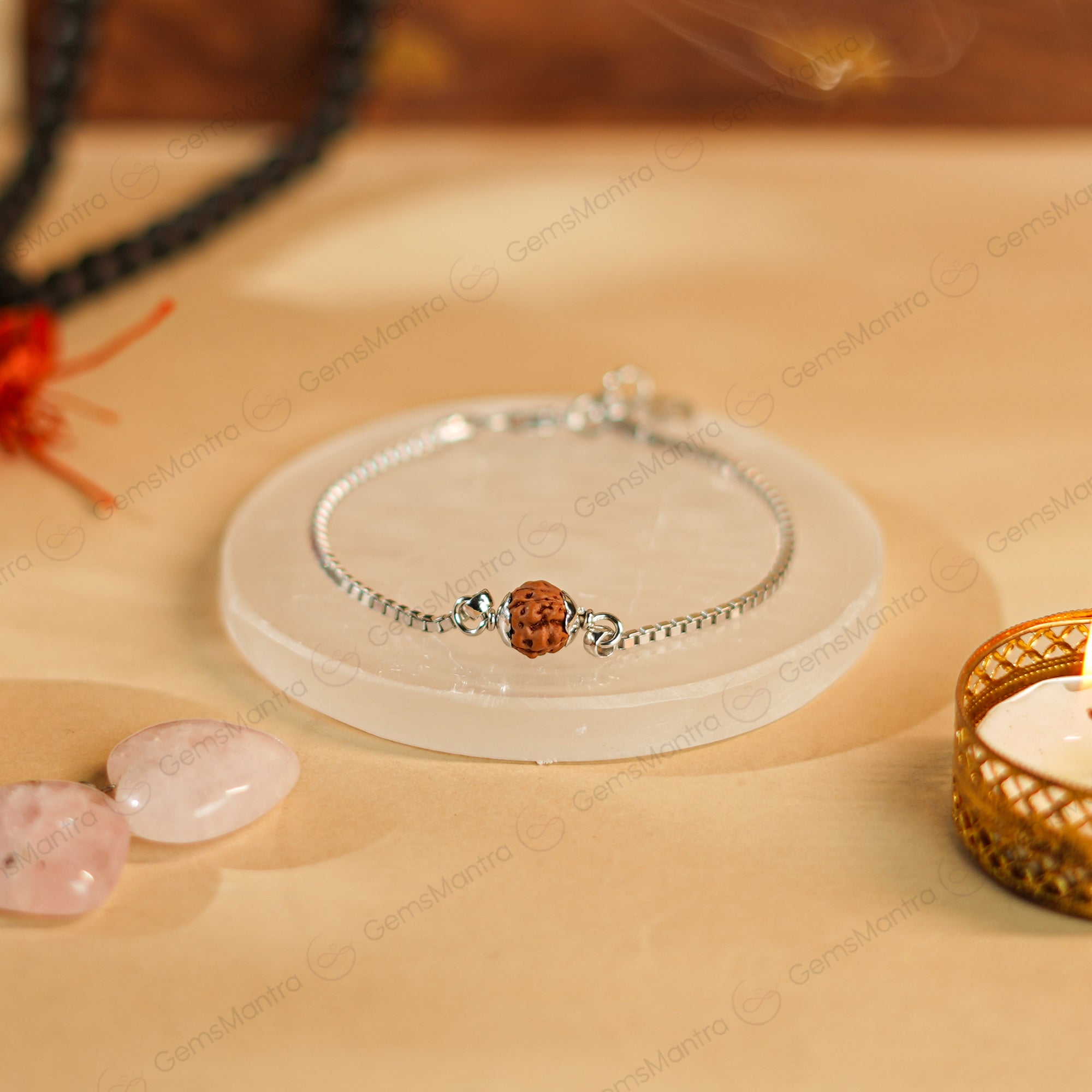
Can Women Wear Rudraksha? Clearing Up a Persistent Misconception
The claim that women should not wear Rudraksha has no scriptural basis. Here is where the idea came from and what the tradition actually says.
Read Full Article →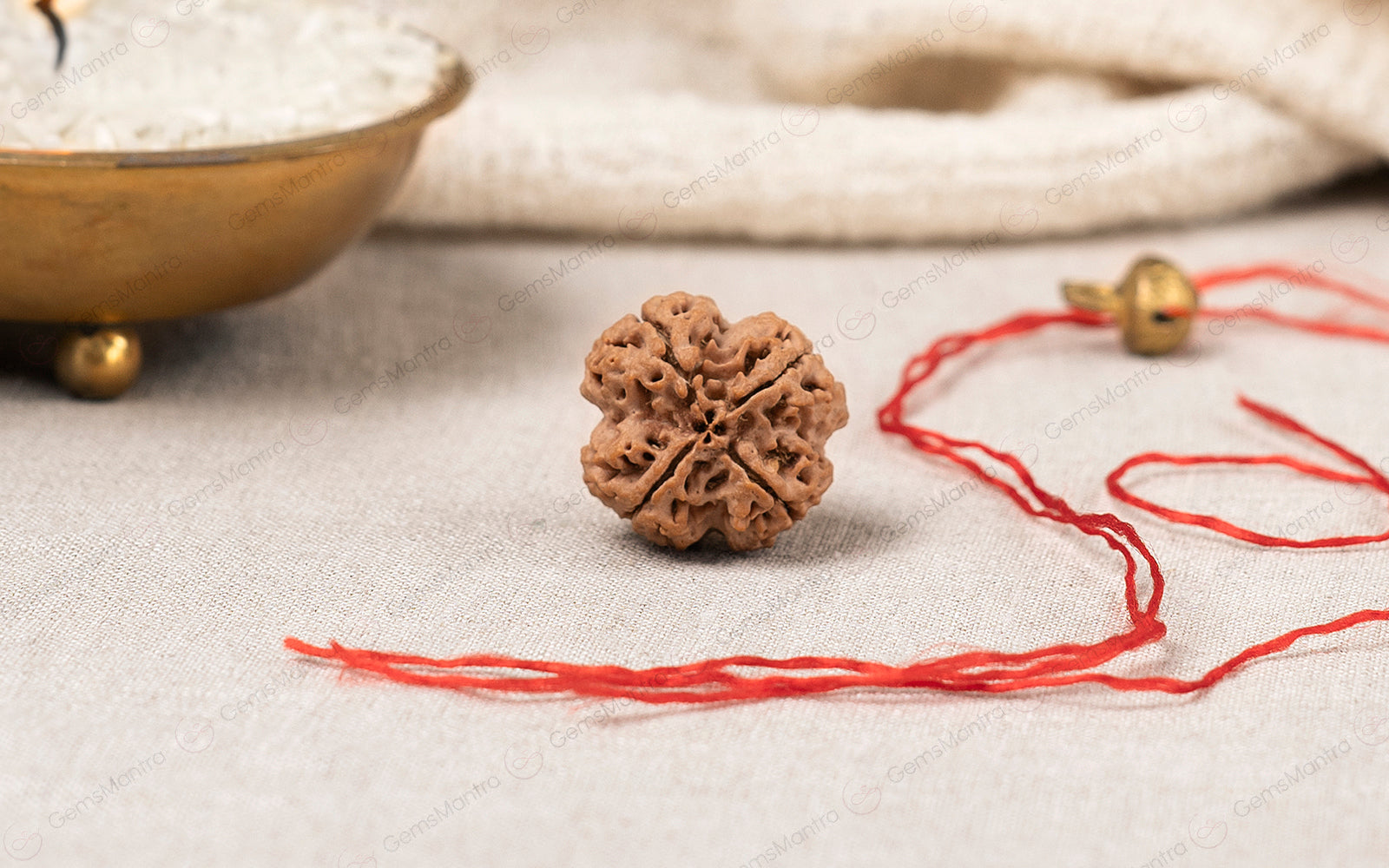
Rudraksha for Students: 4 and 6 Mukhi for Focus, Memory and Confidence
Which beads are traditionally given to students, how to combine them, and how to build a study routine around them that a teenager will actually keep.
Read Full Article →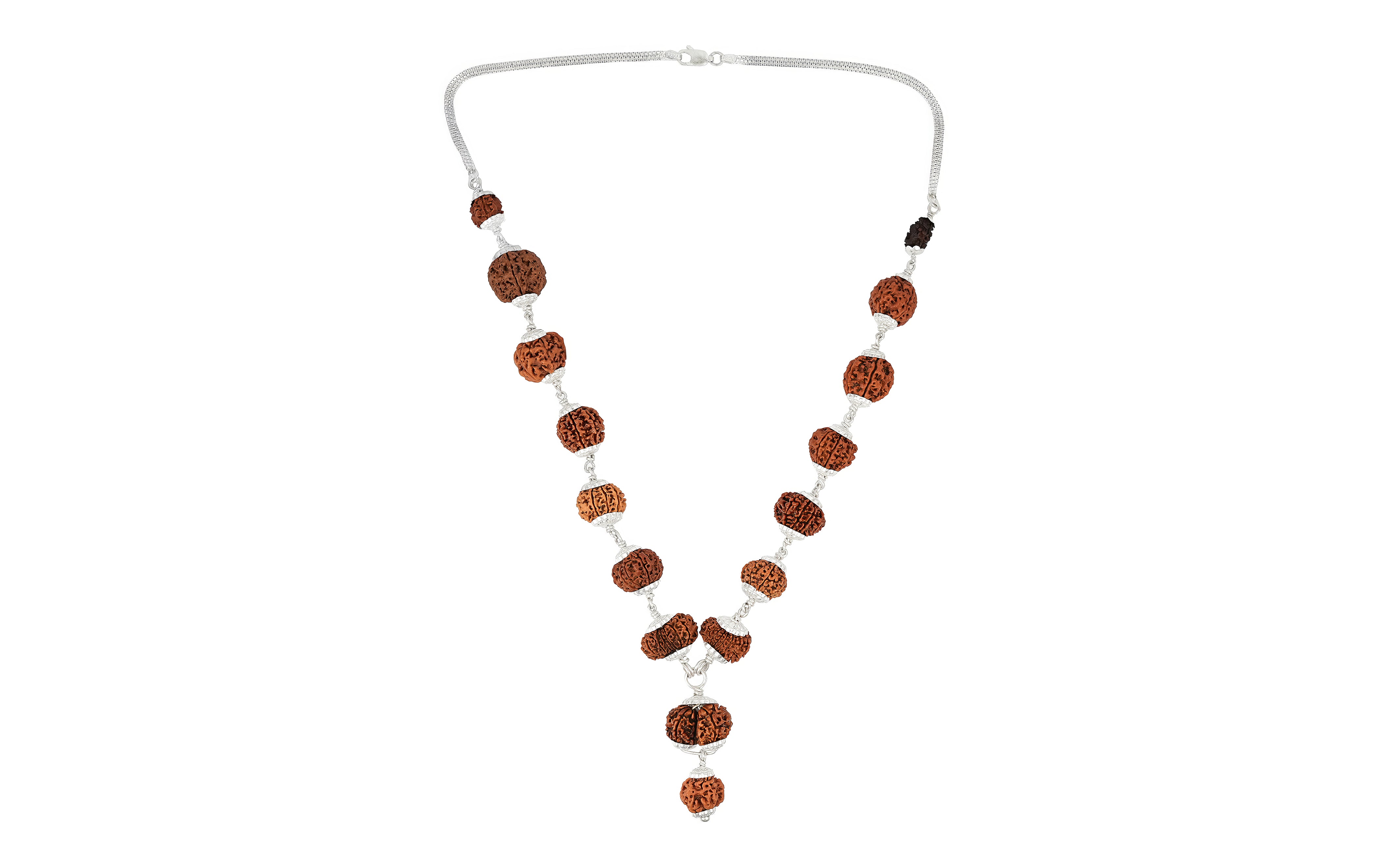
Gauri Shankar, Ganesh and Trijuti: The Rare Rudraksha Forms Explained
Some Rudraksha grow joined, or with a natural protrusion. These special forms carry their own meanings - and are also the most commonly faked.
Read Full Article →0 Comments
Be the first to share your thoughts on this article.
Leave a Comment
Your comment will be reviewed by our team before it appears publicly.