
Rudraksha for Students: 4 and 6 Mukhi for Focus, Memory and Confidence
Jan 20, 2026
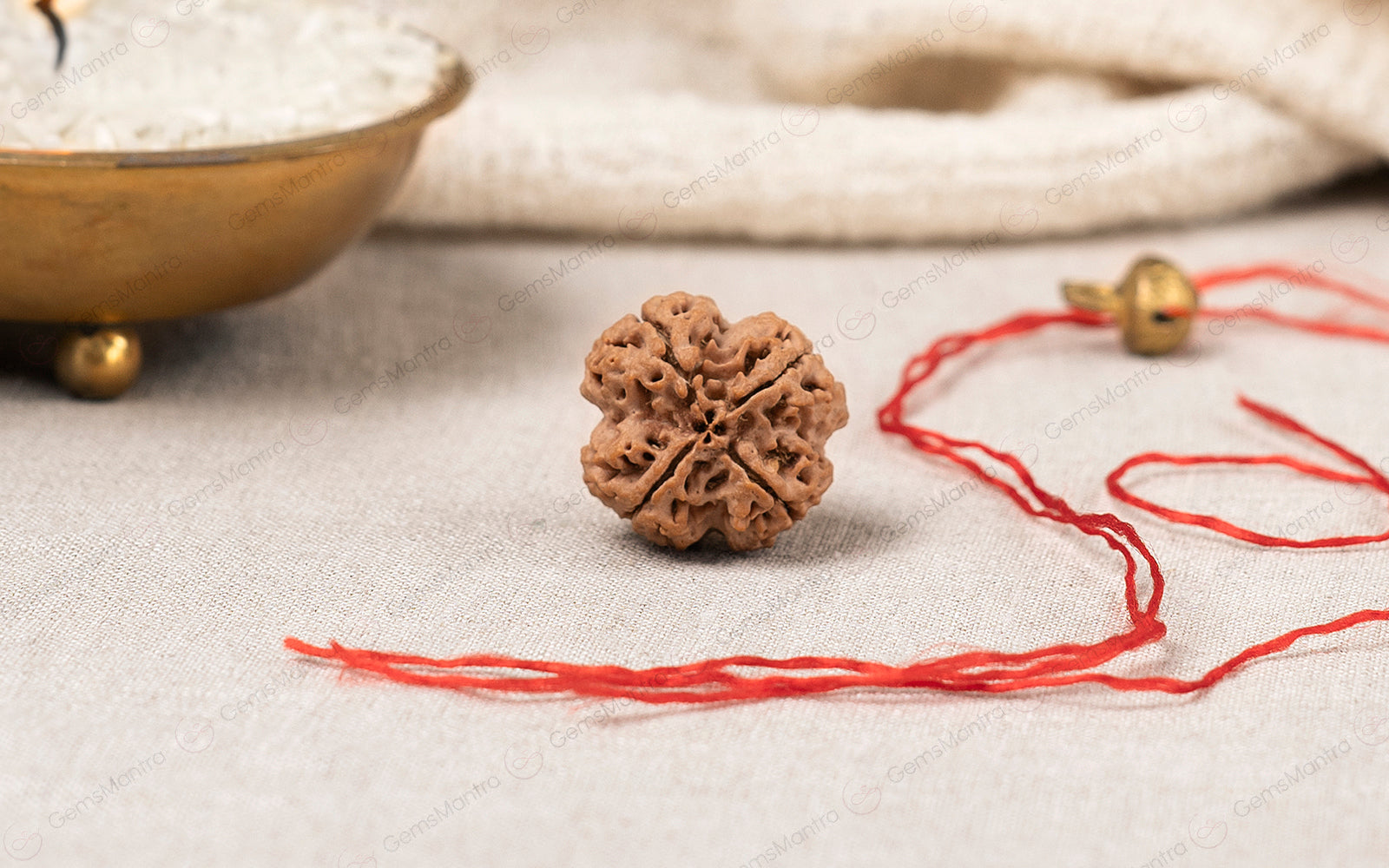
Exam season brings a predictable rush of parents asking the same question: which Rudraksha helps with studies? The traditional answer is more specific than most people expect, and the practical answer matters more than the bead.
4 Mukhi - the learning bead
Presided over by Brahma and ruled by Budh (Mercury). Mercury governs intellect, memory, speech and analytical thinking, which makes 4 Mukhi the classical student's bead.
It is traditionally used for retention, clarity of expression and confidence in speaking - which makes it as relevant to a viva or an interview as to a written paper. It is often recommended for children who understand material well but freeze when asked to explain it.
6 Mukhi - the focus bead
Presided over by Kartikeya and ruled by Shukra (Venus). Where 4 Mukhi supports the intellect, 6 Mukhi supports willpower and grounding - the ability to sit down and stay with a task.
This is the bead usually suggested for a bright student who is easily distracted, or one who starts strongly and abandons a subject halfway through.
The standard combination
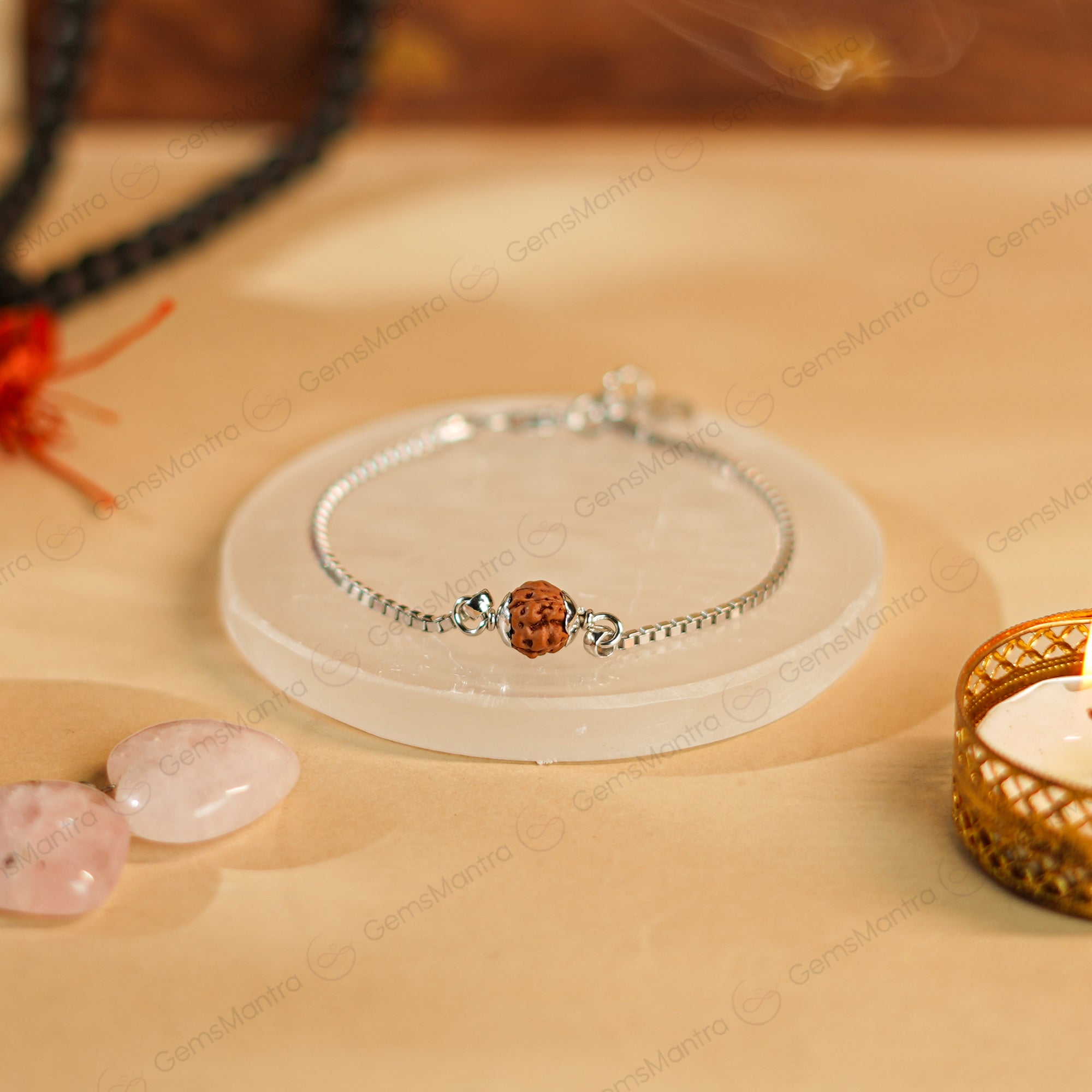
Worn together, 4 and 6 Mukhi cover the two halves of the problem - the mind that learns and the discipline that shows up. A two-bead pendant or a small bracelet combining both is the most frequently recommended arrangement for students, and it suits school and university students alike.
Two supporting choices come up often:
- 5 Mukhi for exam-period anxiety. It is calming, safe for everyone, and the natural addition when nerves rather than focus are the issue.
- 8 Mukhi where a student faces repeated obstacles - illness, disruption, results that never reflect the effort put in.
A routine that works with a teenager
The bead is a support, not a substitute for study. Attaching it to a routine is what makes it useful.
- Wear it consistently. Put it on in the morning and leave it on. Beads that live in a drawer do nothing.
- Anchor it to the start of study. Thirty seconds holding the bead before opening a book creates a reliable signal to the mind that work is beginning.
- Add a short mantra if the student is willing. Om Aim Saraswatyai Namah, 11 or 21 times, is the traditional choice for study.
- Keep the study space clean and facing east or north. A tidy, well-lit desk does more for concentration than any object on it.
- Do not overload. Two well-chosen beads worn daily beat five worn for a week.
Practical notes for parents
- Size matters for children. Choose smaller Indonesian beads - a heavy 25 mm Nepali pendant will be taken off within a day.
- A bracelet often works better than a pendant for younger children, and survives school better.
- Explain what it is. A bead worn under protest is a bead that gets lost.
- Do not frame it as a guarantee. Presenting it as a support for effort is honest and keeps the pressure off.
- Clean it regularly. Children's beads meet more sweat and dirt - see our care guide.
For a suggestion based on the student's birth details rather than a general rule, use the free Rudraksha recommendation tool, or browse certified beads directly.
You May Also Like
Can Women Wear Rudraksha? Clearing Up a Persistent Misconception
The claim that women should not wear Rudraksha has no scriptural basis. Here is where the idea came from and what the tradition actually says.
Read Full Article →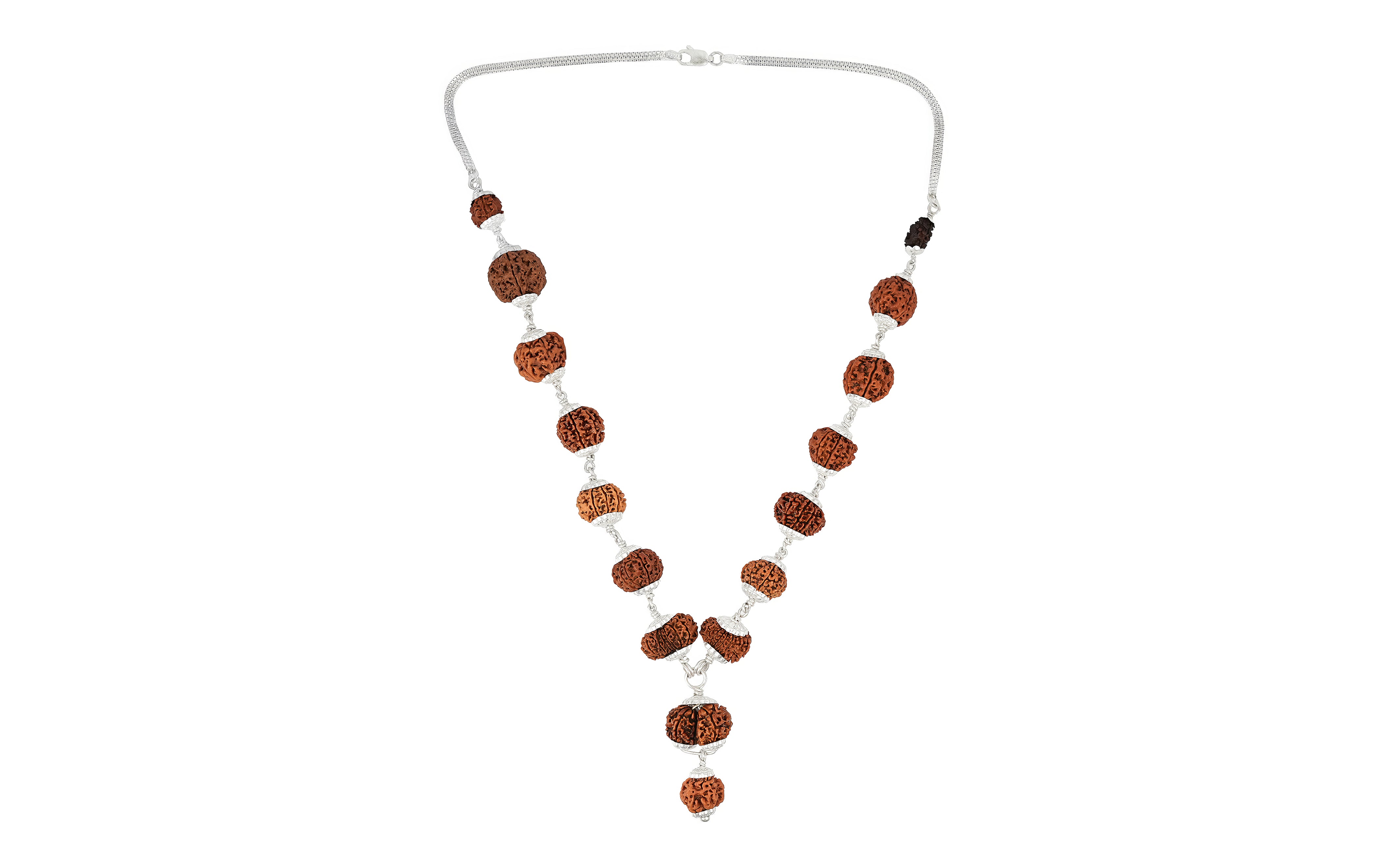
Gauri Shankar, Ganesh and Trijuti: The Rare Rudraksha Forms Explained
Some Rudraksha grow joined, or with a natural protrusion. These special forms carry their own meanings - and are also the most commonly faked.
Read Full Article →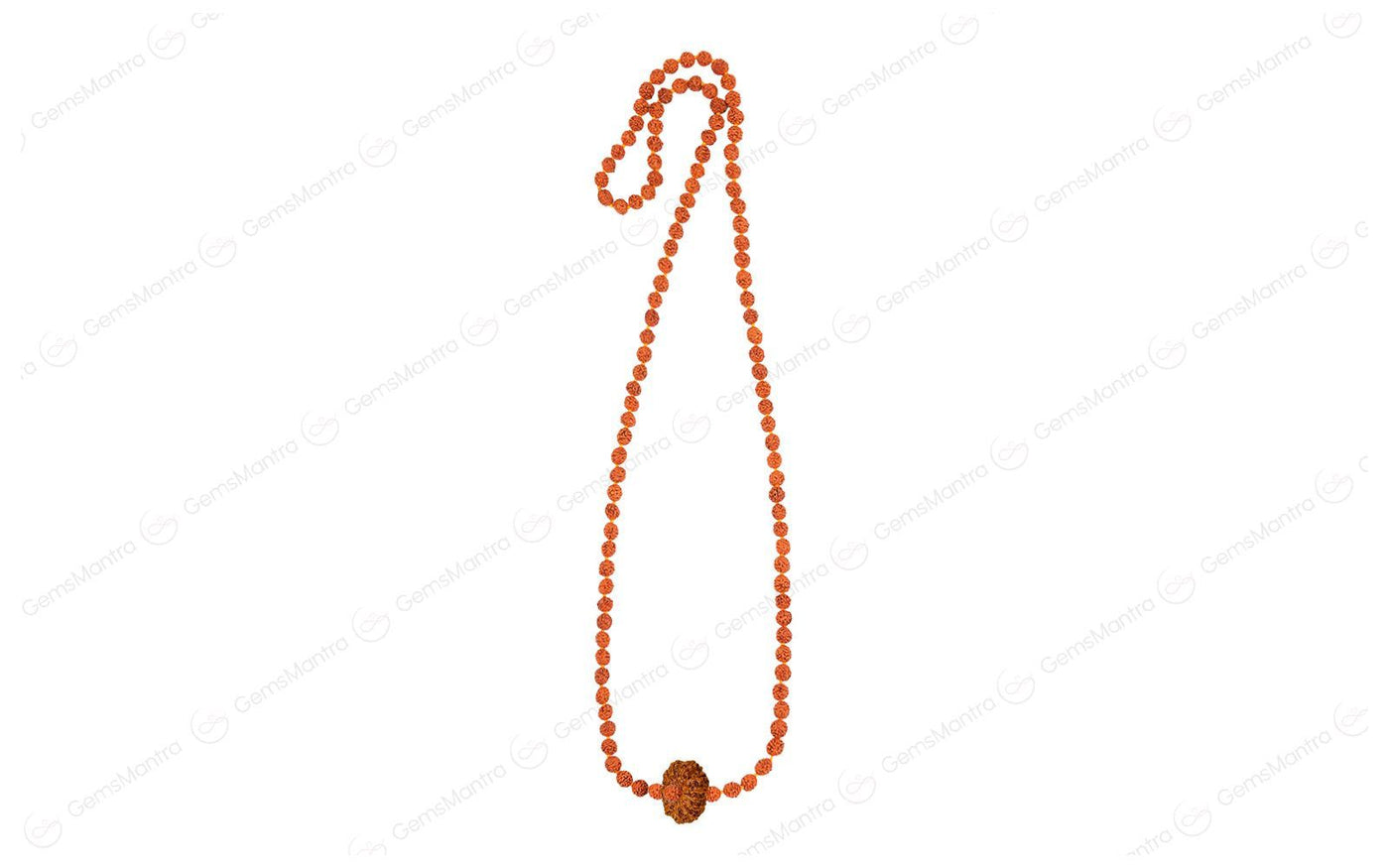
How to Clean and Oil Your Rudraksha So It Lasts a Lifetime
Rudraksha is organic and it dries out. A ten-minute routine every few months is the difference between a bead that lasts decades and one that cracks in two years.
Read Full Article →0 Comments
Be the first to share your thoughts on this article.
Leave a Comment
Your comment will be reviewed by our team before it appears publicly.