
Can Women Wear Rudraksha? Clearing Up a Persistent Misconception
Apr 7, 2026
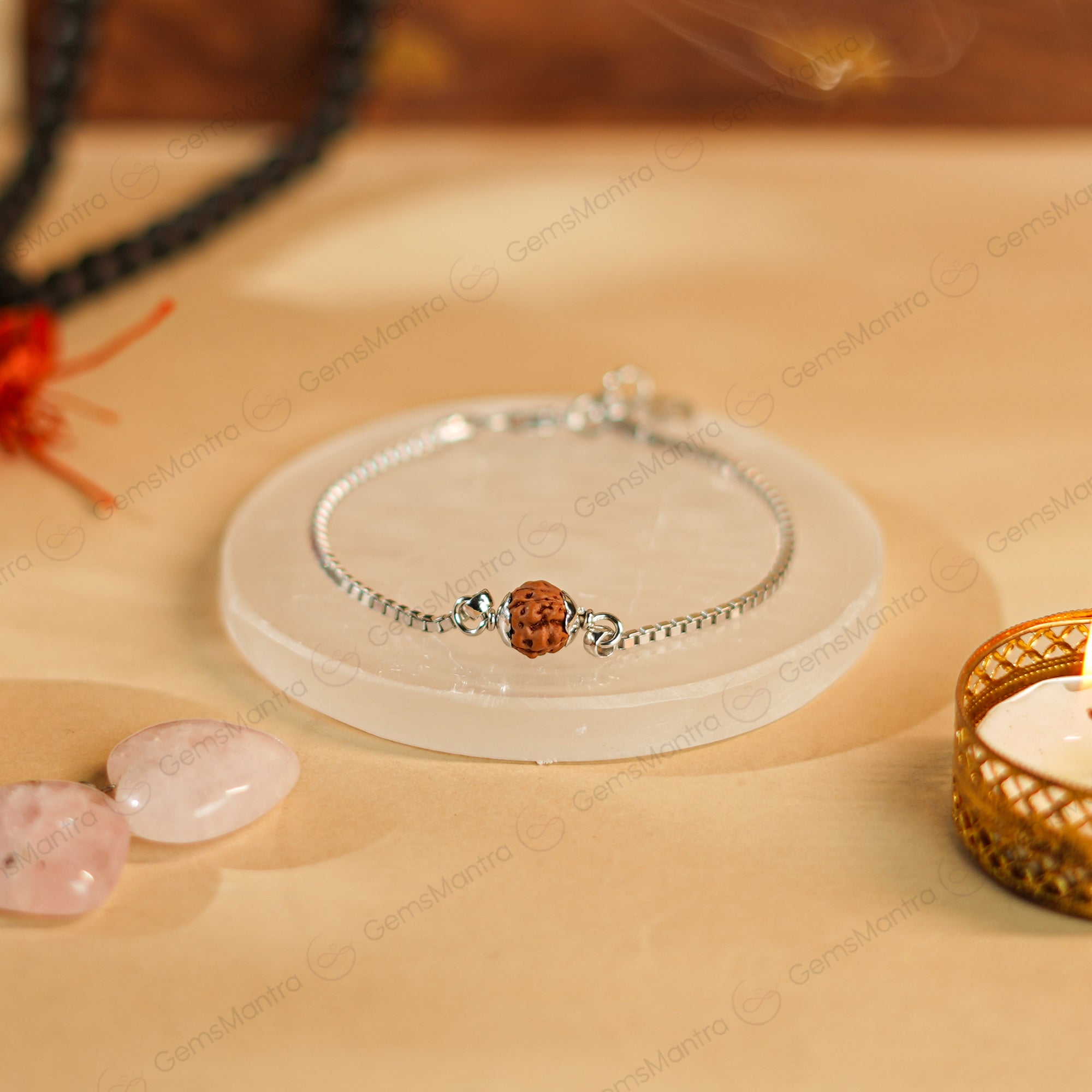
This question arrives in our inbox almost every week, usually phrased with some anxiety: someone has told a woman that she should not wear Rudraksha, or must remove it during menstruation, and she wants to know whether that is true.
The direct answer: there is no scriptural prohibition on women wearing Rudraksha.
What the texts say
The Shiva Purana, Padma Purana and Rudraksha Jabala Upanishad all describe the benefits of wearing Rudraksha. None of them restricts it by gender. The Shiva Purana's language is explicit about being open to all who approach with devotion, without qualification of caste or gender.
Parvati herself is described wearing Rudraksha. It would be an odd tradition that depicted the Goddess with a bead it forbade to women.
Where the restriction came from
Two threads seem to have combined.
The first is a general later-period category of rules about ritual purity during menstruation, applied broadly to sacred objects. This was extended to Rudraksha by association, not by any specific instruction about the bead.
The second is a practical convention that became a rule. Certain intense sadhanas - particular beads used for particular austerities - had their own restrictions on the practitioner, which had nothing to do with ordinary daily wear. Over time the specific became the general.
Most orthodox lineages today, including many that observe menstrual restrictions on temple entry, do not extend those restrictions to wearing Rudraksha.
Practical guidance
- Wearing during menstruation: most contemporary teachers say there is no need to remove it. If your own family tradition says otherwise, following it costs you nothing - keep the bead in a clean cloth and resume after.
- During pregnancy: Rudraksha is traditionally considered supportive during pregnancy. Garbh Gauri in particular is associated with the protection of mother and child.
- Which mukhi: the same as for anyone. 5 Mukhi for calm and general well-being, 2 Mukhi for relationship harmony, 6 Mukhi for focus, 7 Mukhi for prosperity. The choice follows the chart and the intent, not the wearer's gender.
- Wearing rules: identical to those in our wearing rules guide.
Choosing something wearable
The more useful conversation is usually about form rather than permission. A large Nepali pendant is not what most women want for daily wear, and there are better options:
- Smaller Nepali beads, 16 to 20 mm, in a silver cap on a fine chain.
- Rudraksha and crystal bracelets - 5 Mukhi with rose quartz or amethyst is a popular combination.
- A kanthi of small Indonesian beads worn close at the throat.
- Silver-set Rudraksha pendants with Om or Ganesh motifs.
Browse the Rudraksha bracelet collection or the full certified Rudraksha range. If you would like a bead matched to your chart, the recommendation tool is free to use.
You May Also Like
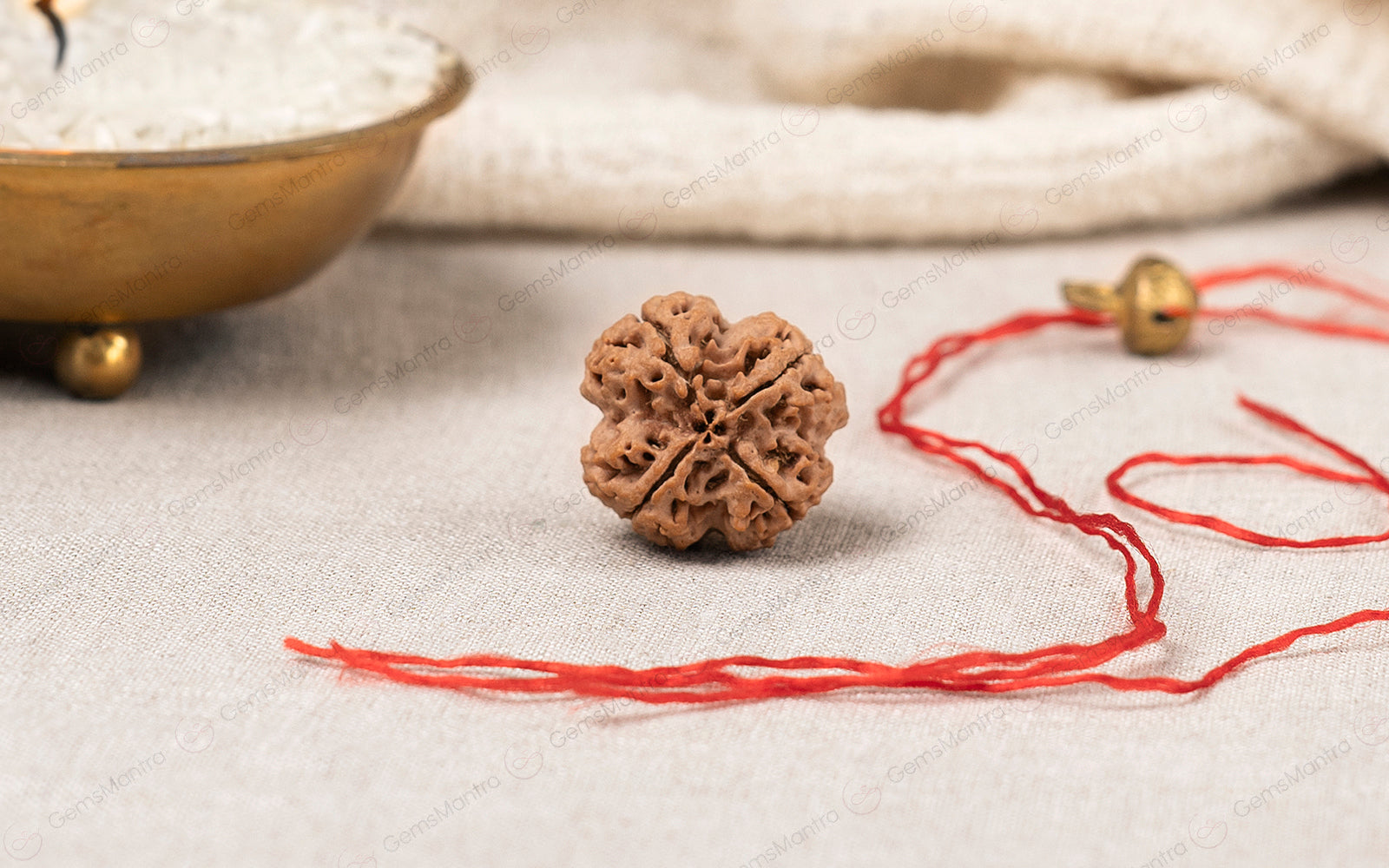
Rudraksha for Students: 4 and 6 Mukhi for Focus, Memory and Confidence
Which beads are traditionally given to students, how to combine them, and how to build a study routine around them that a teenager will actually keep.
Read Full Article →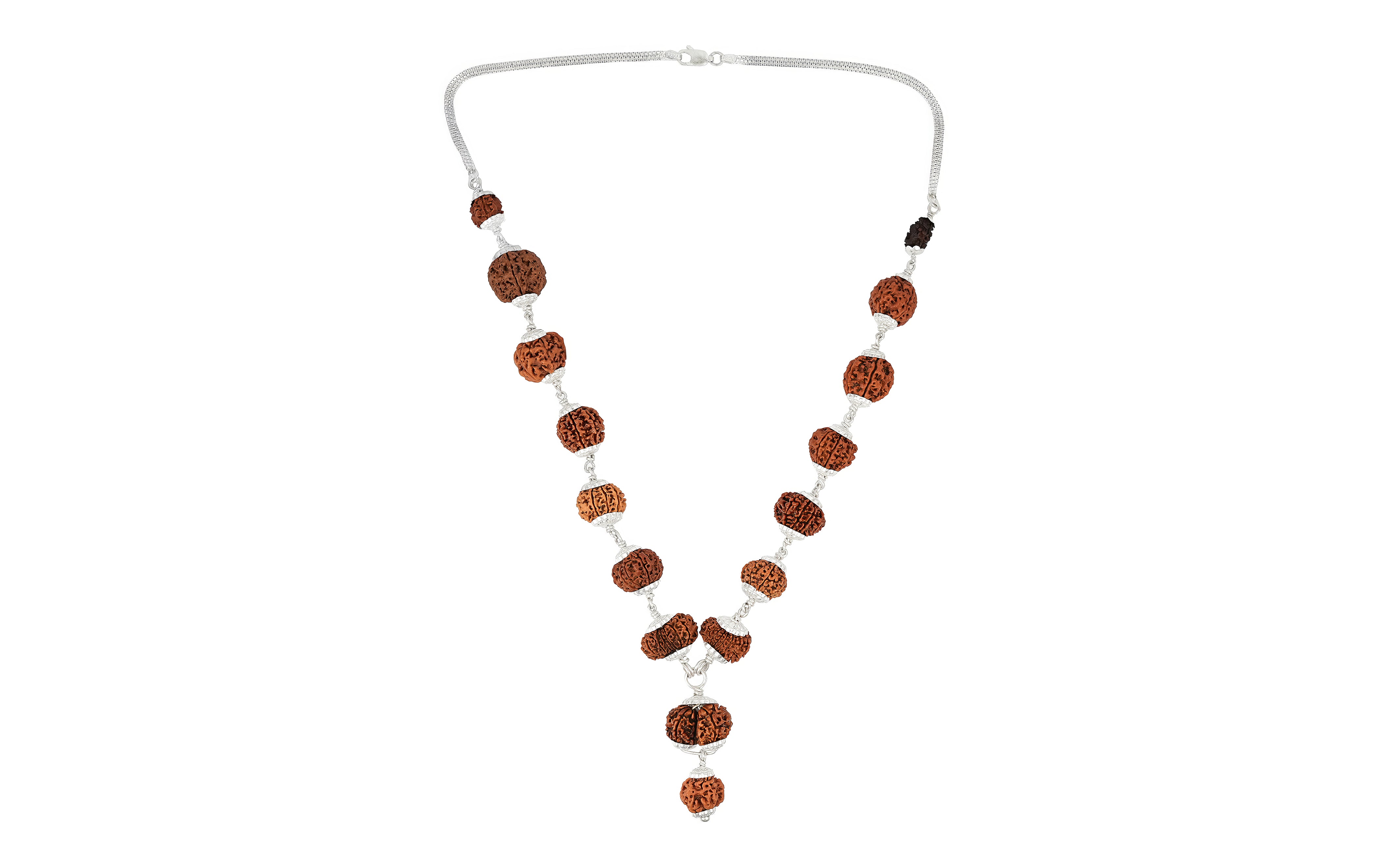
Gauri Shankar, Ganesh and Trijuti: The Rare Rudraksha Forms Explained
Some Rudraksha grow joined, or with a natural protrusion. These special forms carry their own meanings - and are also the most commonly faked.
Read Full Article →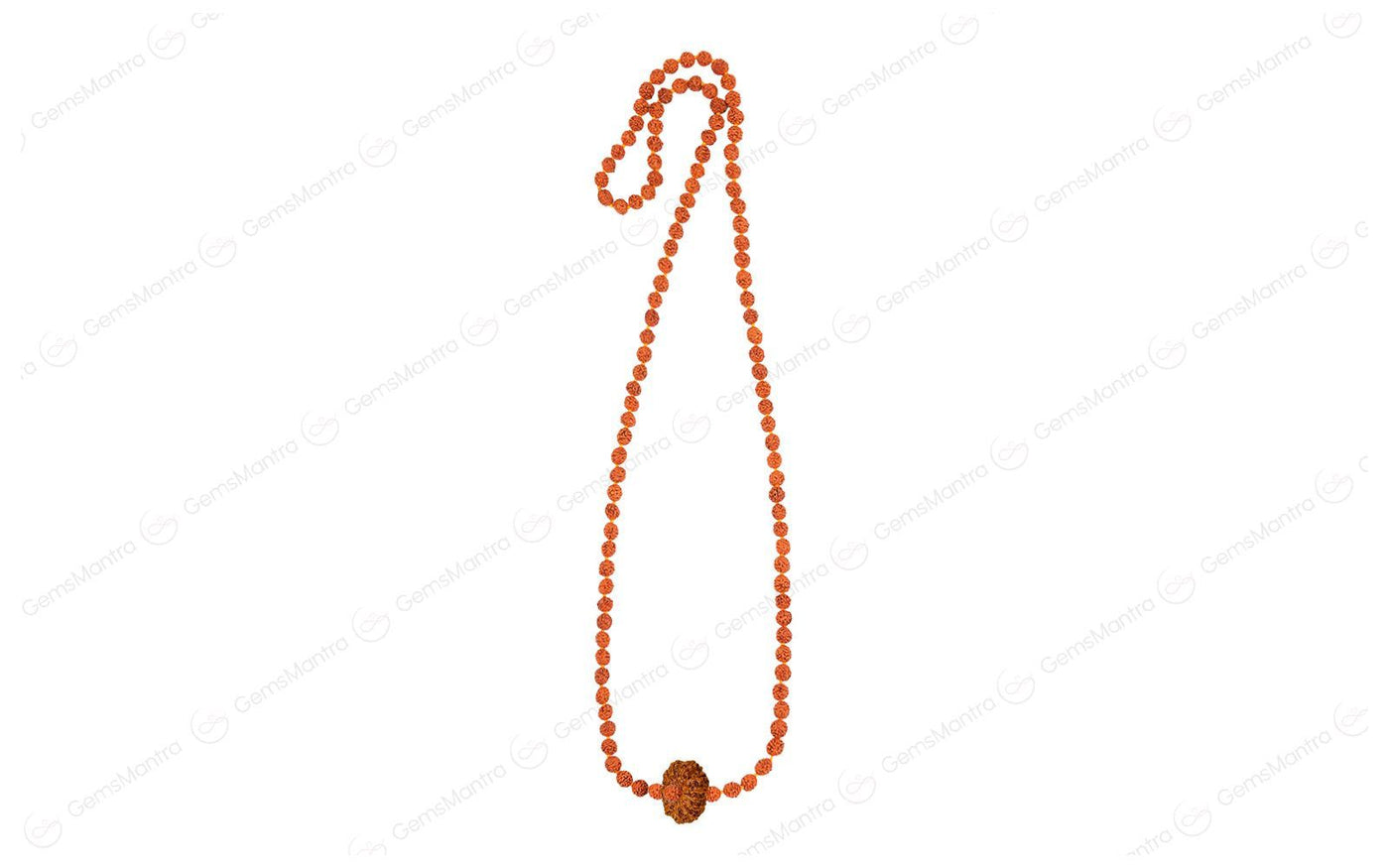
How to Clean and Oil Your Rudraksha So It Lasts a Lifetime
Rudraksha is organic and it dries out. A ten-minute routine every few months is the difference between a bead that lasts decades and one that cracks in two years.
Read Full Article →0 Comments
Be the first to share your thoughts on this article.
Leave a Comment
Your comment will be reviewed by our team before it appears publicly.