
How to Clean and Oil Your Rudraksha So It Lasts a Lifetime
Sep 9, 2025
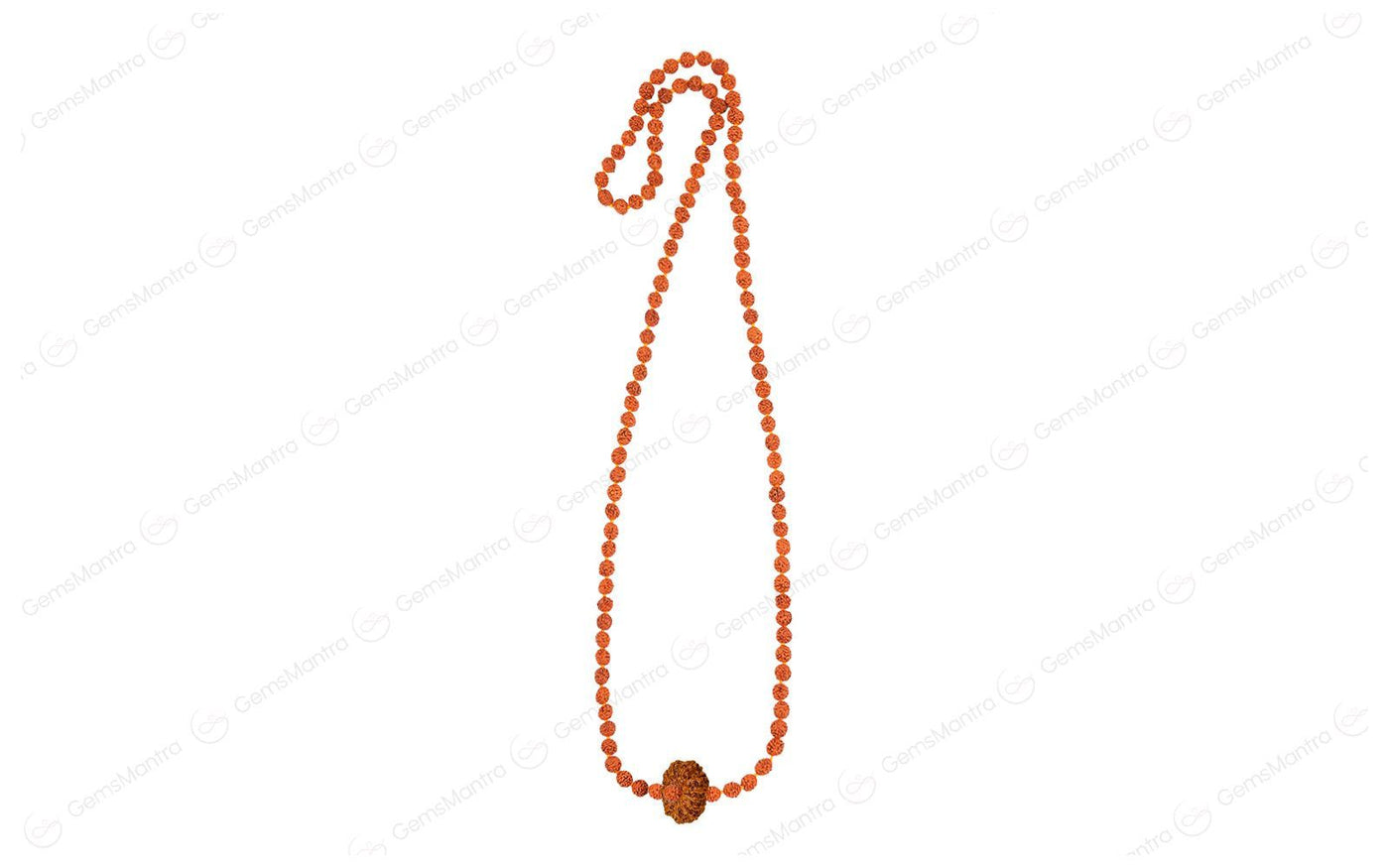
Rudraksha is a seed. It contains natural oils, and like any organic material it dries, shrinks and eventually cracks if neglected. Almost every "my Rudraksha broke" message we receive traces back to a bead that was never oiled, or one that spent two years meeting shampoo every morning.
The routine, in short
- Every 2-3 months: clean, dry, oil.
- Monthly in very dry climates or air-conditioned environments.
- Every 6 months for a bead kept in the puja space rather than worn.
Cleaning
- Remove the bead from its thread or chain if you can do so easily. For a strung mala, leave it strung and work carefully.
- Rinse under lukewarm - never hot - running water.
- Work the mukhi lines with a soft toothbrush. Dust, sweat salts and dead skin collect in the grooves and are the main cause of a dulled surface.
- For stubborn residue, soak in plain lukewarm water for 20 to 30 minutes. Do not use soap, detergent or any cleaning agent.
- Pat dry with a soft cotton cloth.
- Air dry completely in shade for several hours before oiling. Never in direct sunlight, and never with a hairdryer - fast drying is what cracks beads.
Oiling
Suitable oils, in rough order of tradition:
- Mustard oil - the classical choice. Strong smell, excellent penetration, darkens beads over time in a way most wearers like.
- Olive oil - the practical modern choice. Nearly odourless, easy to obtain, works well.
- Almond oil - light and pleasant, good for malas worn against the skin.
- Sandalwood oil - used for beads on the altar as much for fragrance as conditioning.
Avoid mineral oil, petroleum jelly and anything synthetic - they sit on the surface, attract dust and do not condition the seed.
Method: put a few drops on your palm, roll the bead between your hands for a minute, then use a soft brush to work oil into the grooves. Leave it for an hour, then wipe off all excess with a dry cloth. The bead should look conditioned, not wet. Over-oiling leaves a sticky film that traps dust.
Daily habits that matter more than the routine
- Remove it before showering. Shampoo and soap are the fastest way to strip a bead.
- Remove it before swimming. Chlorine and salt water are both damaging.
- Apply perfume and deodorant before putting it on, not after.
- Take it off at the gym if you sweat heavily - or rinse and dry it afterwards.
- Store it in a cotton or silk pouch, not a sealed plastic bag, which traps moisture.
- Keep it out of prolonged direct sunlight.
Malas need a little extra
A 108-bead mala takes friction at every knot. Check the thread every few months - a fraying strand is easier to replace before it snaps than after beads scatter. Restring roughly every one to two years for a mala in daily japa use. When you restring, clean and oil the beads first, and re-chant the mantra before returning it to use.
Fixing common problems
Bead has gone very dark. Usually natural ageing from body oils and mustard oil. It is not damage and many practitioners prize it.
Surface looks white and chalky. Dried out. Clean, dry fully, and oil twice a week for a month.
Hairline crack. Stop wearing it as a pendant where it takes strain. Oil regularly and keep it in the puja space. A cracked bead is traditionally retired rather than repaired.
Bead smells. Trapped moisture. Clean, dry fully in shade for 24 hours, and re-oil.
Well-kept beads outlive their owners. Ten minutes every few months is the whole investment. Browse malas and prayer beads if you are ready to add to your practice.
You May Also Like
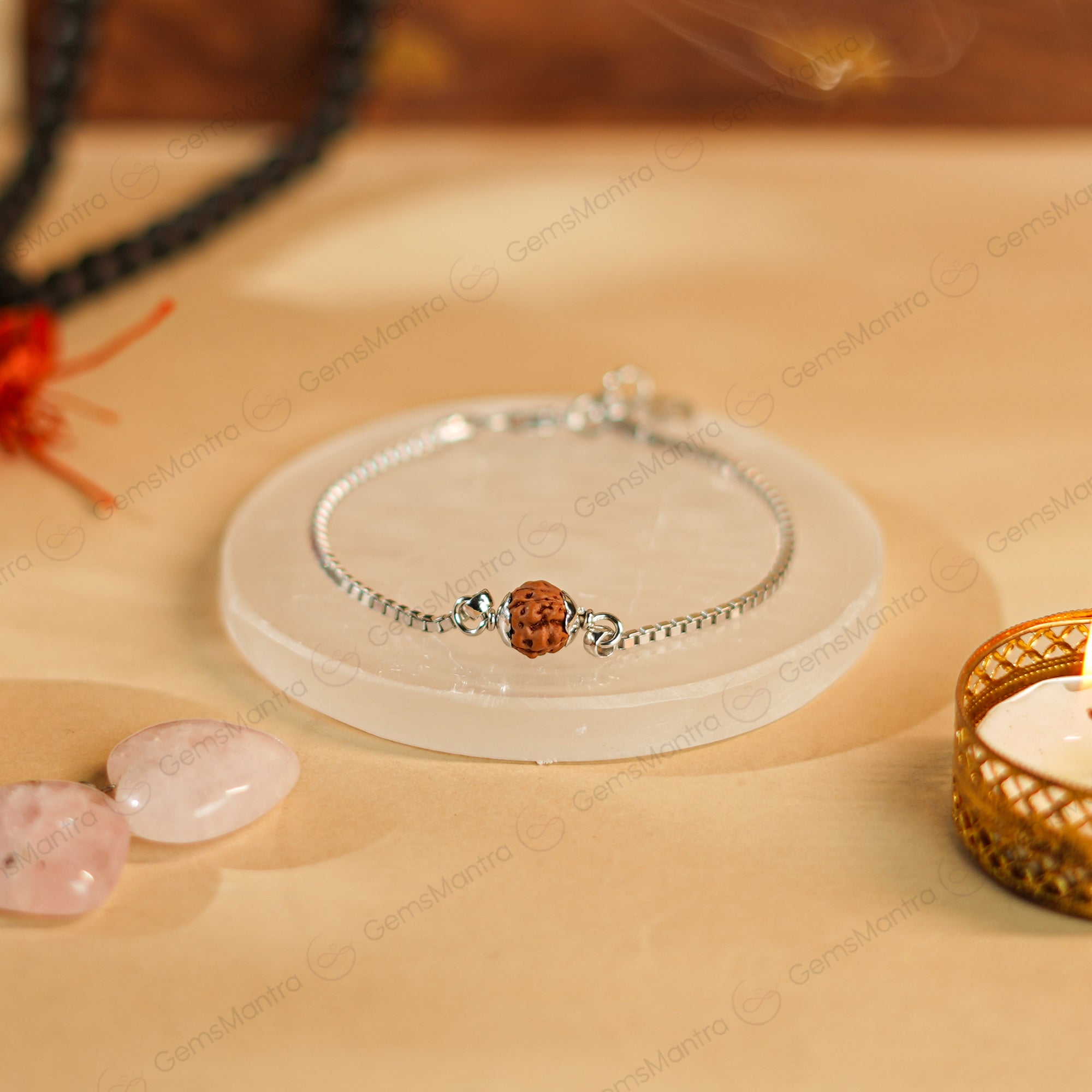
Can Women Wear Rudraksha? Clearing Up a Persistent Misconception
The claim that women should not wear Rudraksha has no scriptural basis. Here is where the idea came from and what the tradition actually says.
Read Full Article →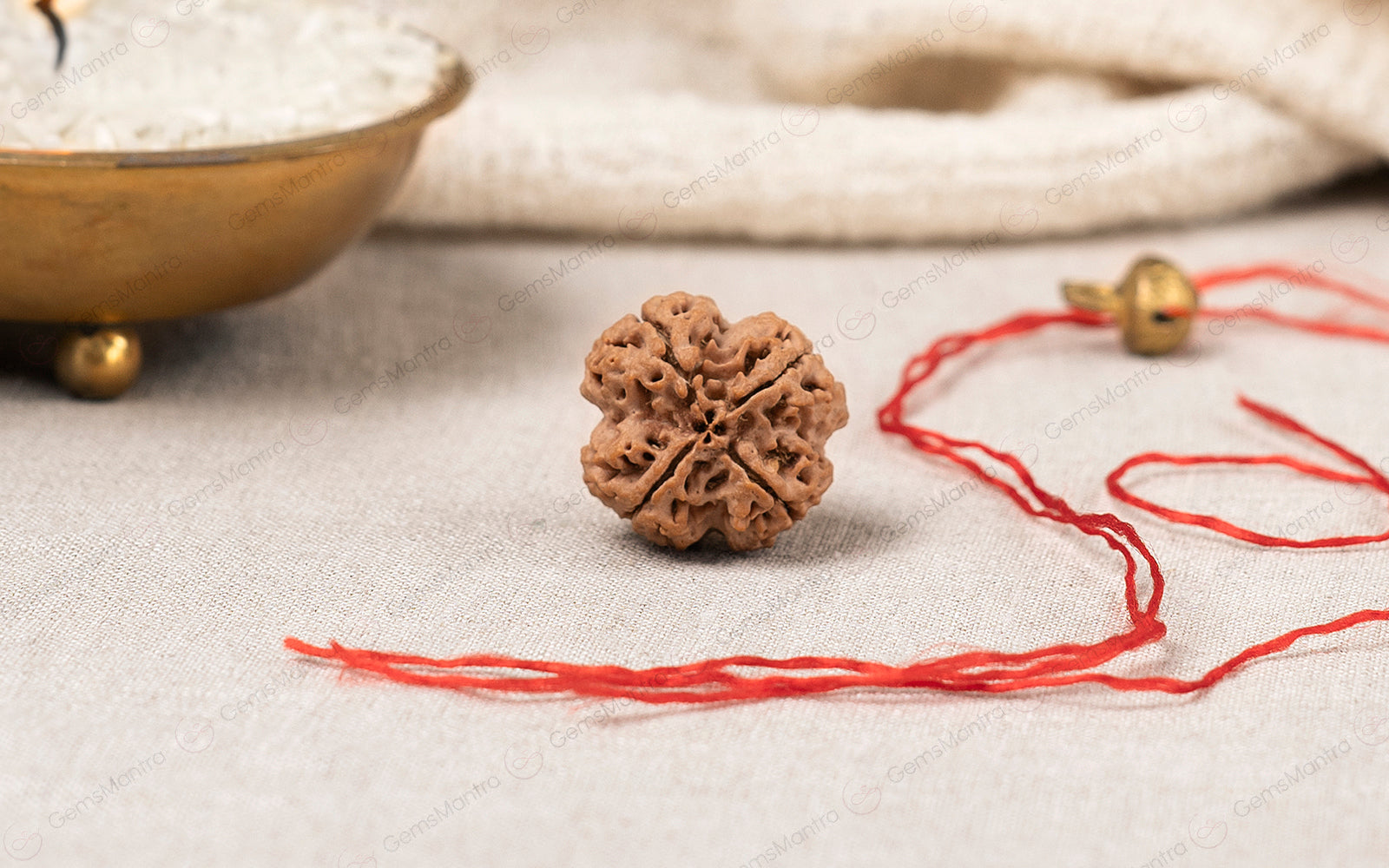
Rudraksha for Students: 4 and 6 Mukhi for Focus, Memory and Confidence
Which beads are traditionally given to students, how to combine them, and how to build a study routine around them that a teenager will actually keep.
Read Full Article →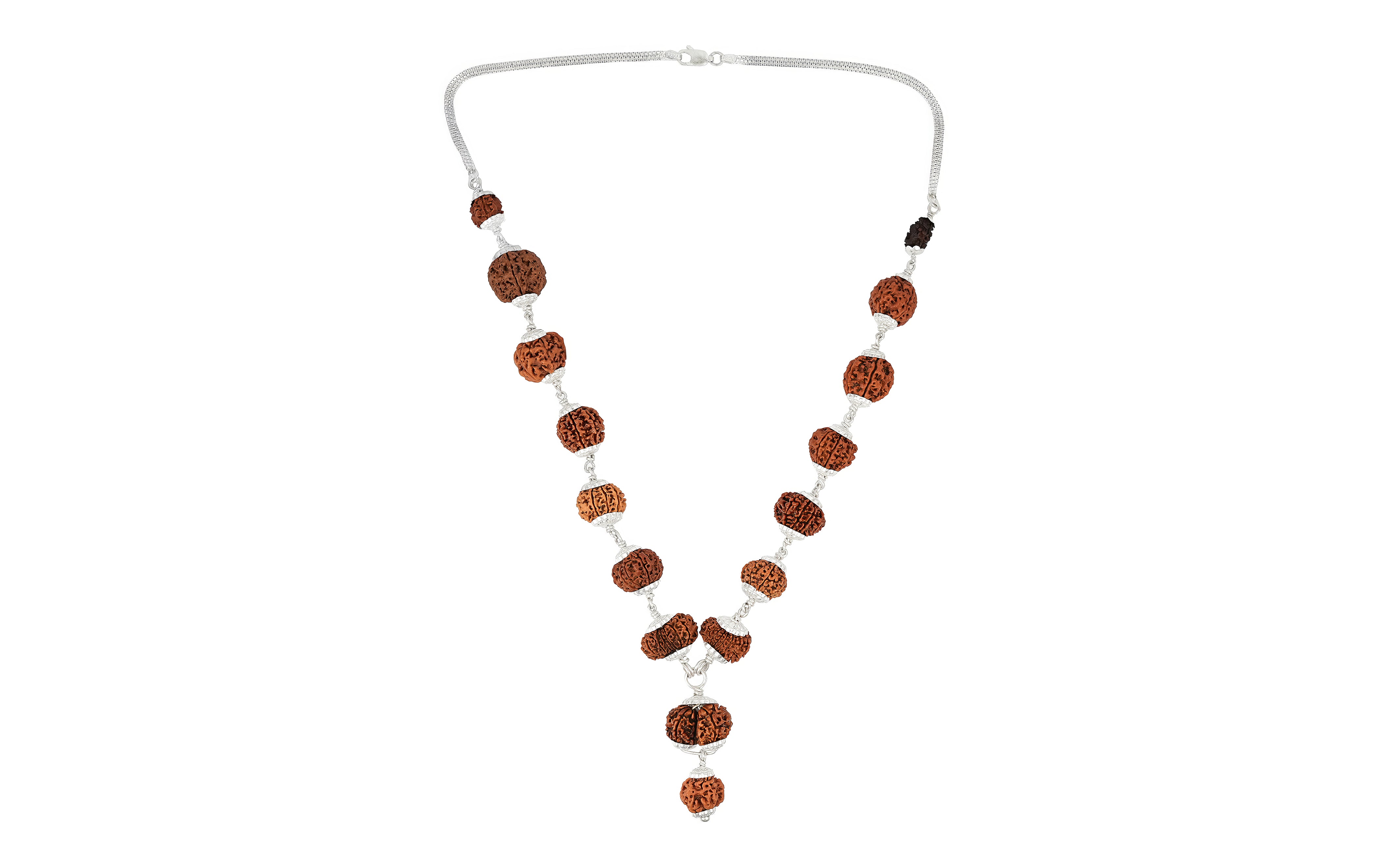
Gauri Shankar, Ganesh and Trijuti: The Rare Rudraksha Forms Explained
Some Rudraksha grow joined, or with a natural protrusion. These special forms carry their own meanings - and are also the most commonly faked.
Read Full Article →0 Comments
Be the first to share your thoughts on this article.
Leave a Comment
Your comment will be reviewed by our team before it appears publicly.