
Rudraksha Wearing Rules: Muhurat, Mantra and the Real Do's and Don'ts
Jul 15, 2025
New wearers usually arrive with a long list of rules picked up from different sources, half of which contradict each other. Here is what tradition actually prescribes, and what has been added along the way.
When to start wearing
Day: Monday, Shiva's day, is the standard choice. Thursday is also considered good, particularly for Jupiter-ruled beads such as the 5 Mukhi.
Time: Early morning after bathing, ideally during Brahma Muhurat - roughly 90 minutes before sunrise - though any time before noon is fine.
Especially auspicious occasions: Mahashivratri, any Monday in Shravan (Sawan) month, Pradosh, Amavasya and the day of your own nakshatra.
If you cannot wait for a perfect muhurat, do not let that stop you. A bead worn on an ordinary Tuesday with sincerity is better than one sitting in a box waiting for the right date.
The purification and wearing sequence
- Bathe, and wear clean clothes.
- Rinse the bead in clean water. Traditionally, in panchamrit - milk, curd, ghee, honey and sugar - followed by a clean-water rinse and a soft-cloth wipe.
- Place it before an image of Shiva if you have one, and offer incense or a lamp.
- Hold the bead and chant its mantra 108 times. For most beads, Om Namah Shivaya is appropriate and always safe. Mukhi-specific beeja mantras exist - for example Om Hreem Namah for 5 Mukhi - and can be used if you know them.
- Put it on, and state your intention plainly.
Traditional restrictions
- Do not share your bead. A Rudraksha is personal once worn.
- Remove it during cremation rites and when visiting a cremation ground.
- Remove it before intimacy.
- Avoid contact with chemicals. Soap, shampoo and perfume dry the surface. Practically, this means taking it off for showers.
- Do not wear a damaged bead. A cracked or broken bead should be retired respectfully, not repaired.
- Some traditions advise avoiding non-vegetarian food and alcohol while wearing. Others treat it as a general recommendation towards sattvic living rather than a hard rule. Follow the tradition you were taught.
Rules people have invented
"Women cannot wear Rudraksha." There is no scriptural basis for this. We address it fully in Can women wear Rudraksha?
"It must never be removed." Untrue, and impractical. Removing it for a shower or before sleep breaks nothing.
"It must be strung on gold only." Red or black thread, silver and gold are all traditional. Thread is the oldest option, not the lowest.
"A bead that touches the ground is ruined." Rinse it, and continue.
Common practical questions
Can I wear it while sleeping? Yes, and many people do. If a large pendant is uncomfortable, keep it beside your bed - the practice is not diminished.
Can I wear more than one mukhi? Yes. Combinations such as 6+7 Mukhi are standard. A chart-based recommendation is worth having before combining more than three.
Can children wear it? Yes. 4 and 6 Mukhi are commonly given to students - see Rudraksha for students.
What if the thread breaks? Restring it. Rinse the bead, re-chant the mantra, and put it back on.
How long before I notice anything? Most traditions suggest observing over 40 days of consistent wear. Treat it as a practice, not a switch.
For a bead matched to your chart, use the free Rudraksha recommendation tool.
You May Also Like
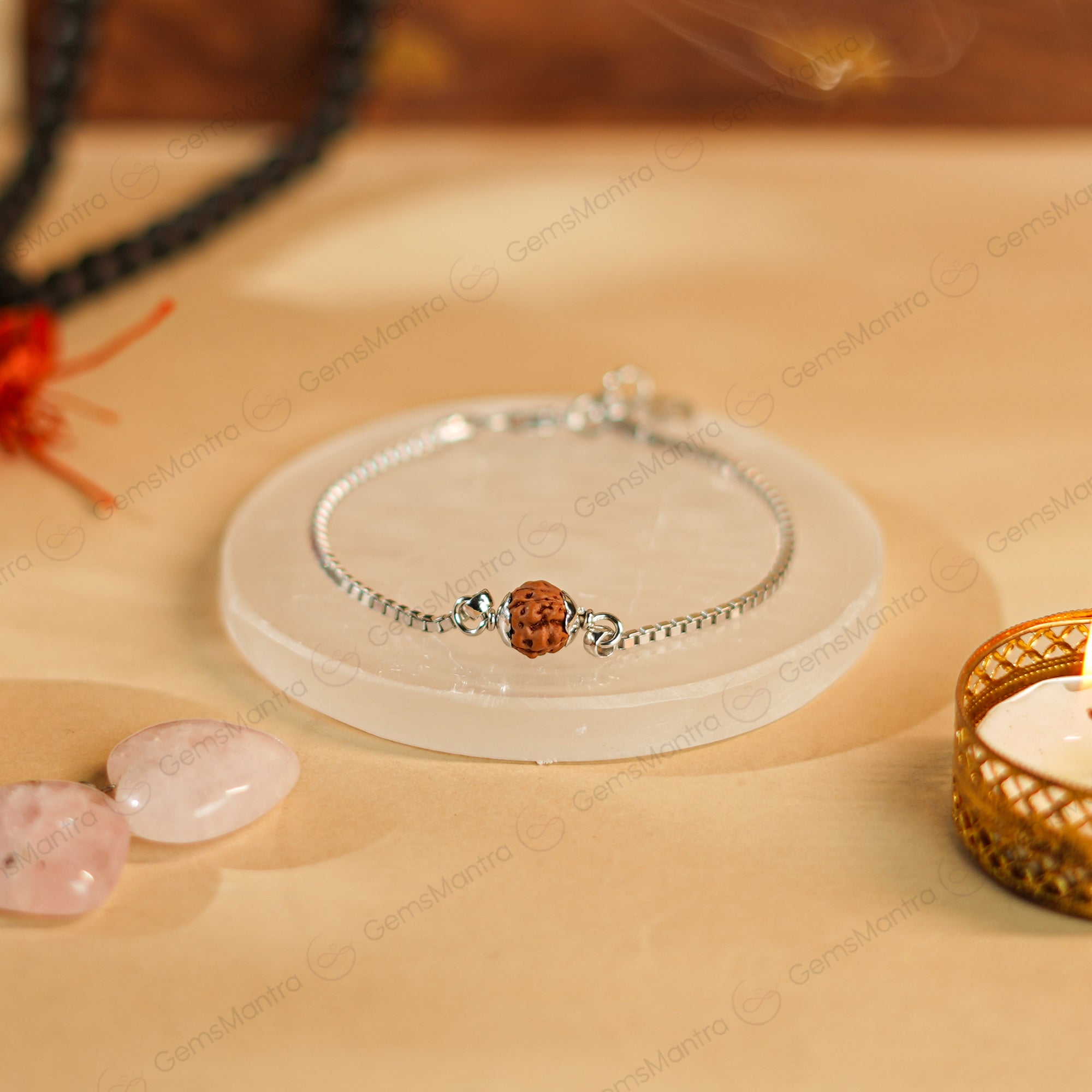
Can Women Wear Rudraksha? Clearing Up a Persistent Misconception
The claim that women should not wear Rudraksha has no scriptural basis. Here is where the idea came from and what the tradition actually says.
Read Full Article →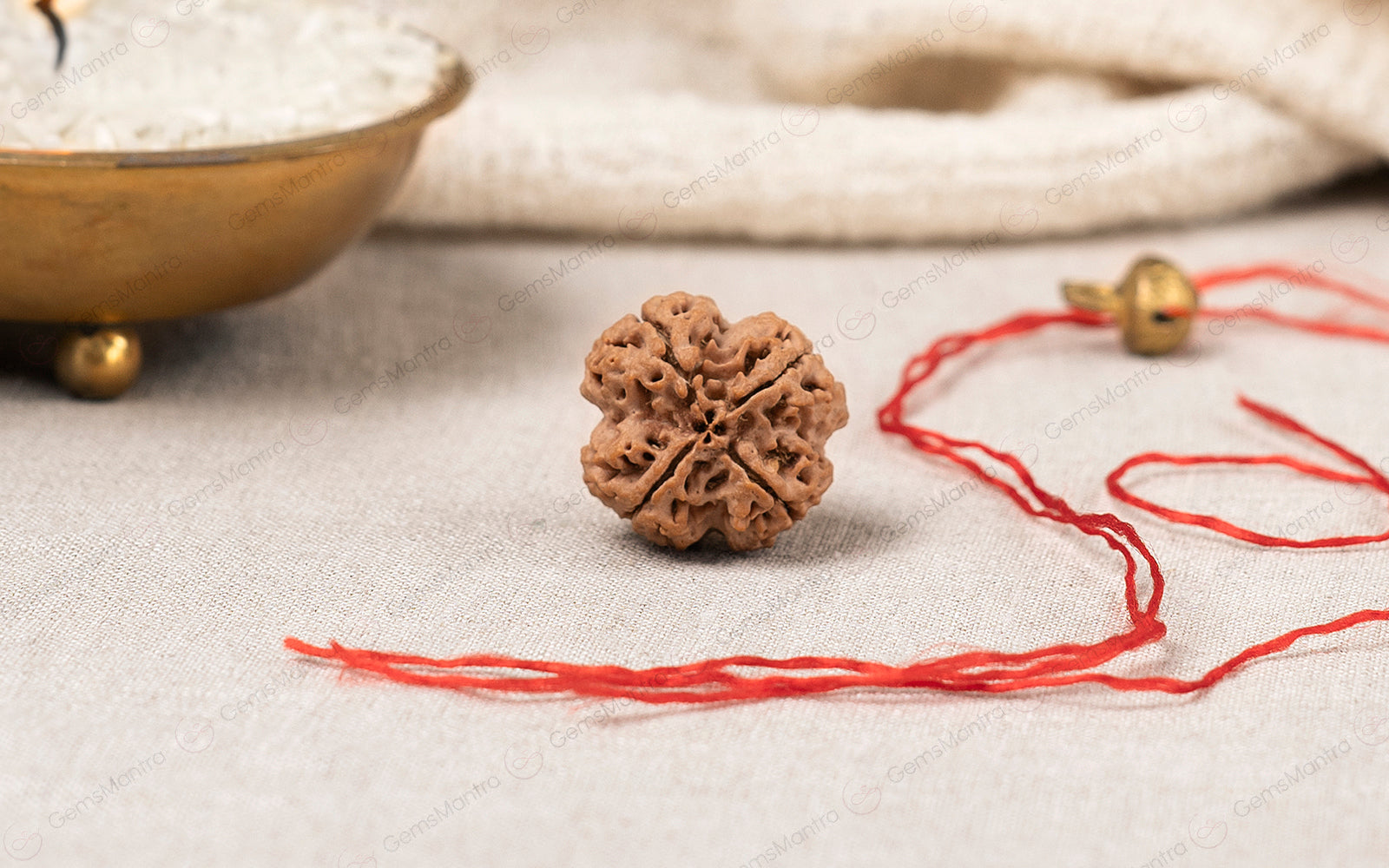
Rudraksha for Students: 4 and 6 Mukhi for Focus, Memory and Confidence
Which beads are traditionally given to students, how to combine them, and how to build a study routine around them that a teenager will actually keep.
Read Full Article →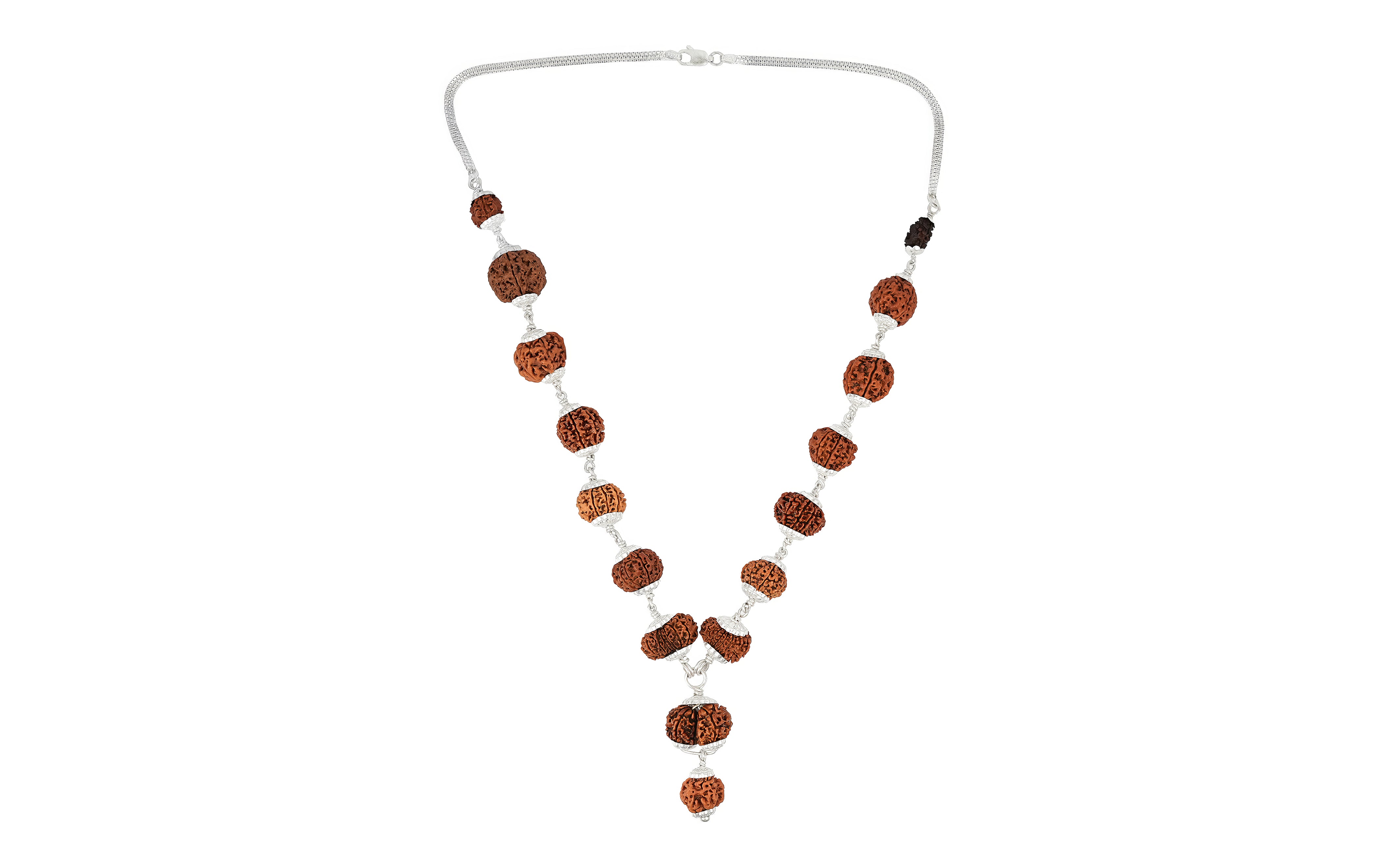
Gauri Shankar, Ganesh and Trijuti: The Rare Rudraksha Forms Explained
Some Rudraksha grow joined, or with a natural protrusion. These special forms carry their own meanings - and are also the most commonly faked.
Read Full Article →0 Comments
Be the first to share your thoughts on this article.
Leave a Comment
Your comment will be reviewed by our team before it appears publicly.