
Nepali vs Indonesian Rudraksha: How to Tell Them Apart
Apr 22, 2025
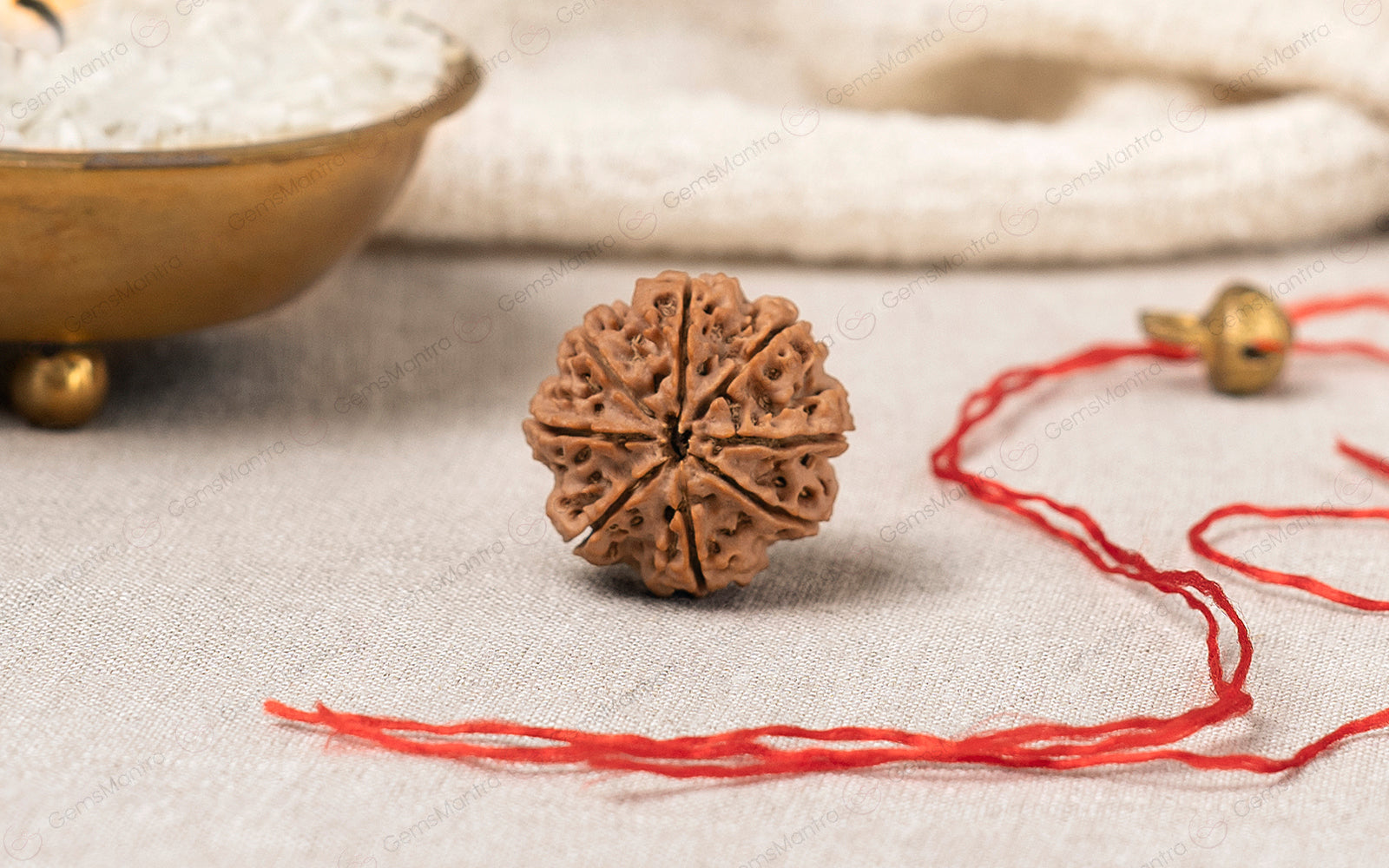
This is the question that causes the most confusion at the point of purchase, usually because the price gap between the two looks alarming until you understand what drives it. Both are genuine Rudraksha from the same species of tree. The difference is growing conditions.
The short version
| Nepali | Indonesian (Java) | |
|---|---|---|
| Typical size | 18-30 mm | 5-12 mm |
| Surface | Deep grooves, pronounced thorny ridges | Shallow, smooth, fine grooves |
| Weight and density | Heavier, denser | Light |
| Colour | Brown to reddish-brown | Lighter brown, often more uniform |
| Mukhi lines | Easy to count by eye | Often need magnification |
| Best for | Single-bead pendants, high-mukhi collection beads | 108-bead malas, bracelets, kanthis |
| Relative price | Several times higher per bead | Economical in volume |
Why Nepali beads cost more
Three reasons, none of them mystical.
Size. Nepali trees grow at higher altitude in the Himalayan belt, producing larger, denser seeds. A single 25 mm bead simply contains more material than a 7 mm one.
Yield. Indonesian plantations are cultivated at scale and harvest far greater volumes. Nepali collection is more dispersed and more seasonal.
Grading. On a Nepali bead the mukhi lines are visible to the naked eye, so grading is straightforward and a premium-grade bead can be identified and priced as such. Small Java beads are usually sold by the strand rather than individually graded.
Is one more powerful?
Traditional practitioners generally favour Nepali beads for individual wearing, on the reasoning that a larger, denser bead carries a stronger presence. That is the classical view and we state it as such.
What is not in dispute is the practical side: for japa you need 108 beads on a wearable strand, and that requires small Indonesian beads. A 108-bead Nepali mala exists but is heavy, bulky and priced for serious collectors. Most practitioners use an Indonesian mala for japa and a Nepali pendant for daily wear - and that combination is entirely traditional.
How to tell them apart in hand
- Size first. Anything under 12 mm is almost certainly Indonesian. Anything over 18 mm is almost certainly Nepali.
- Feel the surface. Nepali beads have sharp, raised ridges you can catch a fingernail on. Java beads feel comparatively smooth.
- Look at the mukhi lines. If you can count them across the room, it is Nepali.
- Weigh it. Nepali beads feel noticeably dense for their size.
What to watch out for
The common misrepresentation is selling Indonesian beads at Nepali prices - particularly for higher mukhis, where a buyer may not know what size to expect. If a "Nepali 8 Mukhi" arrives at 9 mm, it is not Nepali.
Ask for the bead's measured diameter before you buy, and check that the certificate states origin as well as mukhi count. Our listings state size and origin on every Rudraksha, and origin is a filter on the Nepal-origin collection.
Choosing for your piece
- Single pendant you want to be seen - Nepali, 20 mm and up.
- Daily japa mala - Indonesian, 6 to 8 mm.
- Bracelet - Indonesian, 8 to 10 mm.
- Kanthi worn close at the throat - Indonesian, small beads.
- Collection or high mukhi - Nepali, always certified.
You May Also Like
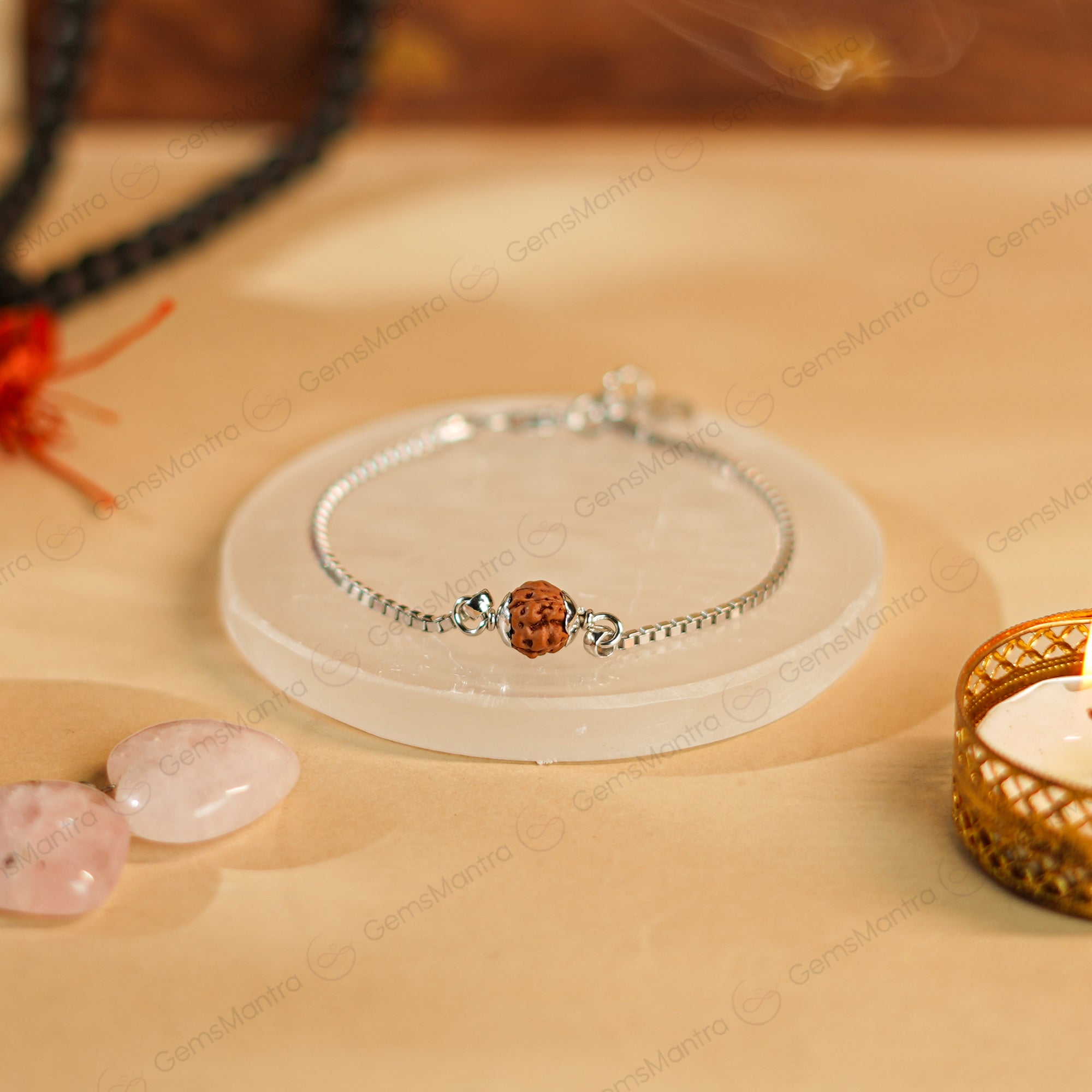
Can Women Wear Rudraksha? Clearing Up a Persistent Misconception
The claim that women should not wear Rudraksha has no scriptural basis. Here is where the idea came from and what the tradition actually says.
Read Full Article →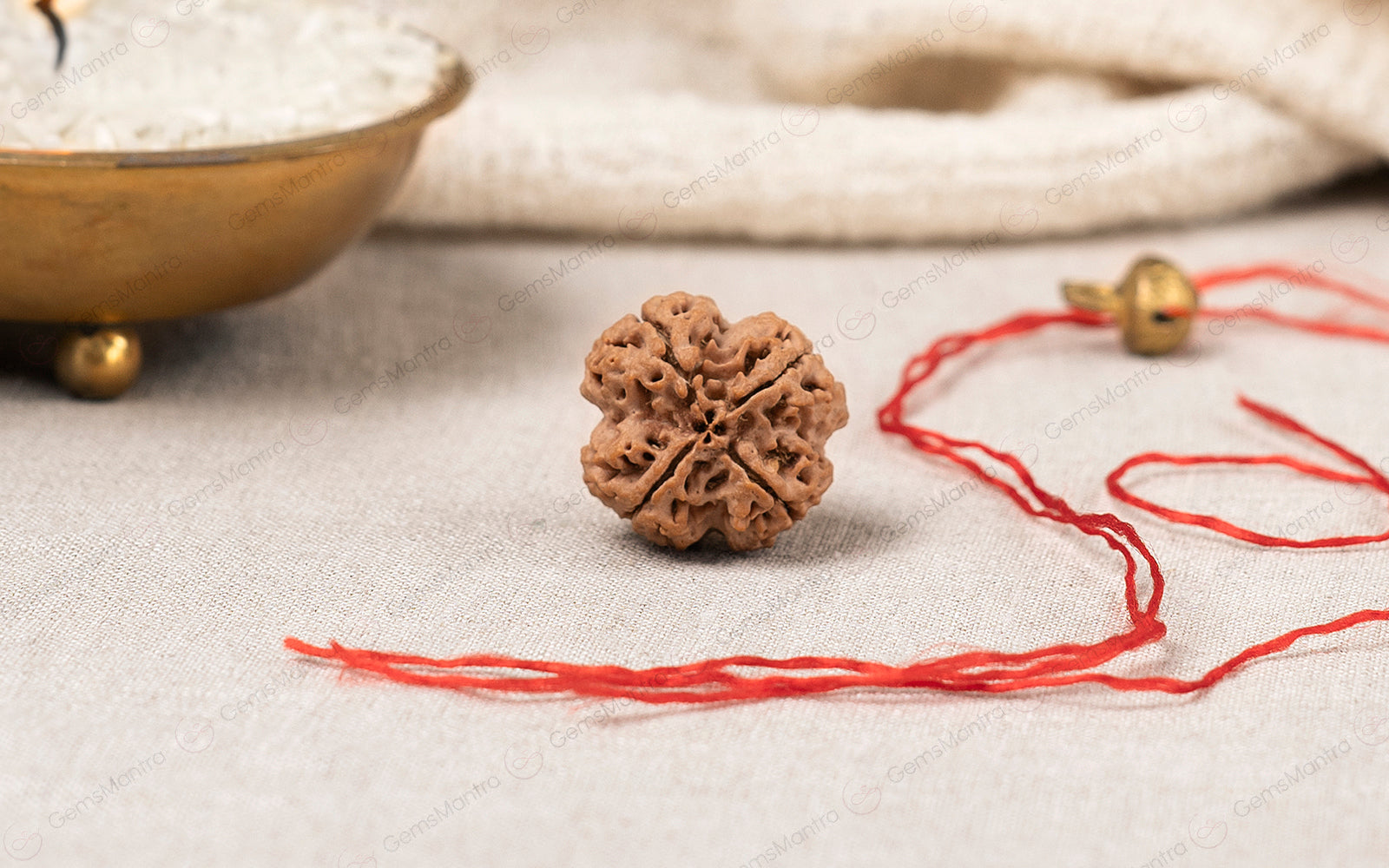
Rudraksha for Students: 4 and 6 Mukhi for Focus, Memory and Confidence
Which beads are traditionally given to students, how to combine them, and how to build a study routine around them that a teenager will actually keep.
Read Full Article →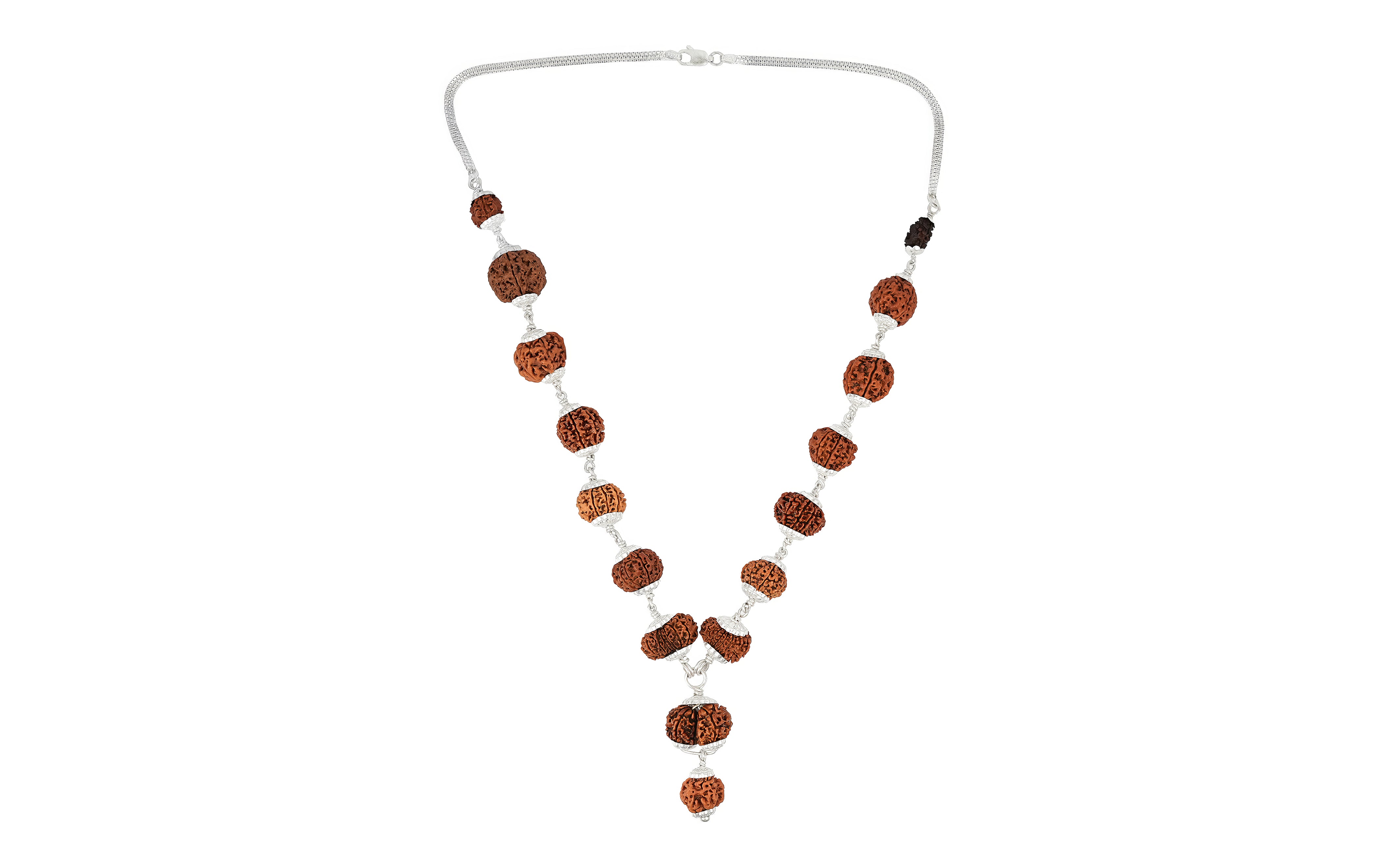
Gauri Shankar, Ganesh and Trijuti: The Rare Rudraksha Forms Explained
Some Rudraksha grow joined, or with a natural protrusion. These special forms carry their own meanings - and are also the most commonly faked.
Read Full Article →0 Comments
Be the first to share your thoughts on this article.
Leave a Comment
Your comment will be reviewed by our team before it appears publicly.