
Black Tourmaline, Obsidian and Karungali: A Guide to Protection Stones
Jun 2, 2026
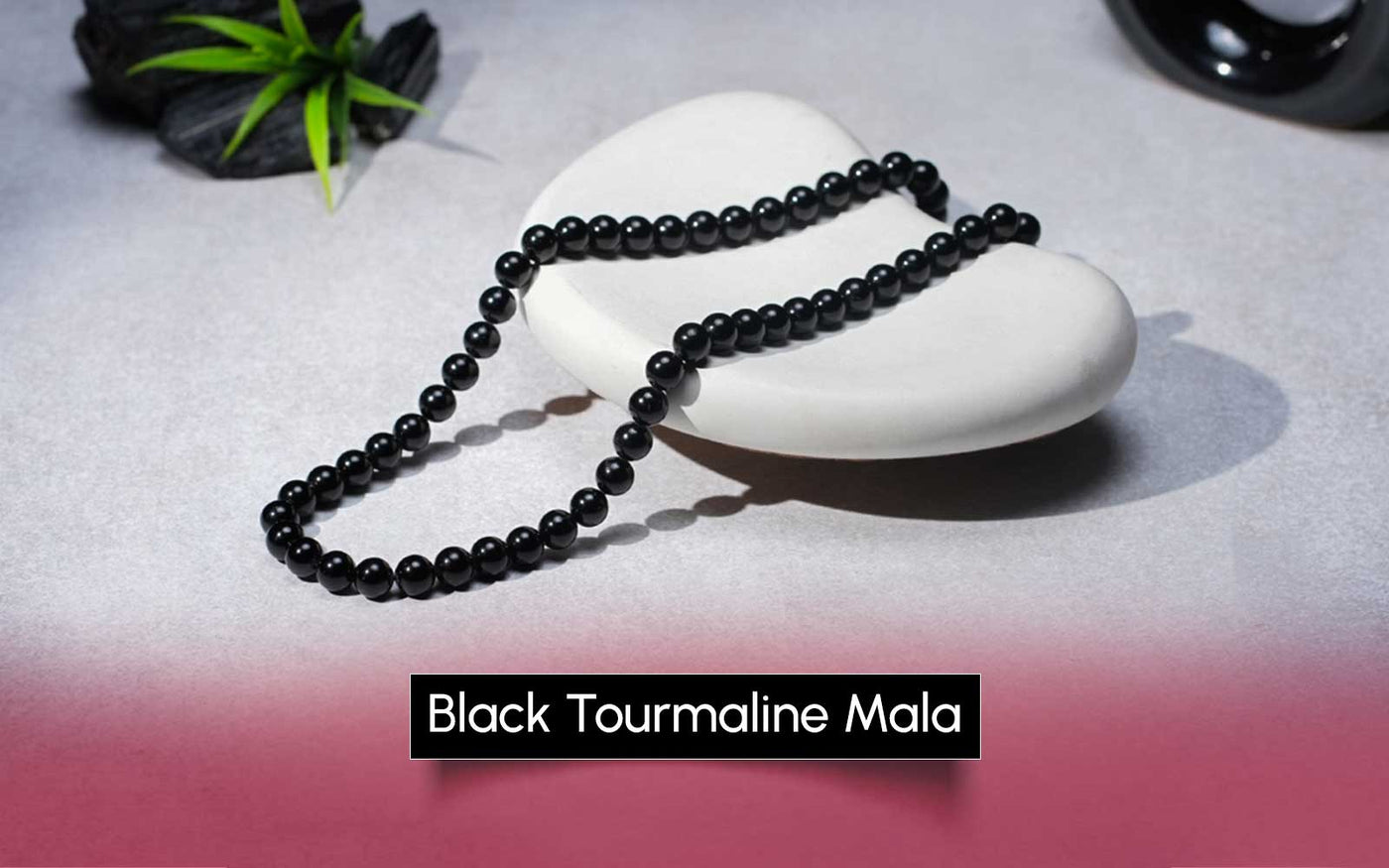
Protection is the second most common reason people come to this category, after wealth. Three materials dominate the conversation, and they are not interchangeable.
Black tourmaline (schorl)
A silicate mineral, opaque black, usually with visible lengthwise striations. It is the most widely used protective stone in modern crystal practice.
Traditionally used for: deflecting negativity, grounding, shielding a space, and buffering electromagnetic exposure - the reason it is so often placed beside a desk or router.
Placement: beside the main door, at the four corners of a room for a protective grid, on a work desk, or worn as a bracelet on the left wrist.
Identifying it: genuine schorl shows parallel striations along its length and has a slightly greasy lustre. Black glass and dyed howlite are the usual substitutes - glass shows bubbles and is smooth, dyed howlite shows grey veining under the coating.
Obsidian
Volcanic glass, formed when lava cools too fast to crystallise. It is glass, not a mineral, which is why it breaks with a sharp conchoidal fracture.
Traditionally used for: a hard protective shield, cutting attachments, and confronting what is being avoided. Practitioners describe it as blunt - it is associated with bringing difficult material to the surface rather than soothing it. It is not usually the first protective stone recommended to someone already struggling.
Varieties: black obsidian is the strongest and most direct; snowflake obsidian is gentler, with grey cristobalite patches; mahogany obsidian is associated with releasing old patterns; golden sheen obsidian shows a shimmer and is favoured for work on personal power.
Placement: beside an entrance, or carried. Many practitioners deliberately keep obsidian out of the bedroom, on the view that it is too active for sleep.
Karungali (ebony)
Not a crystal at all - karungali is the heartwood of the Indian ebony tree, Diospyros ebenum. It has a long tradition in South Indian practice, particularly in Tamil Nadu, as a protective material, and is closely associated with Shiva and Kali worship.
Traditionally used for: protection from negative influence and drishti, grounding, and support in sadhana. Karungali malas and bracelets are worn continuously by many practitioners rather than used situationally.
Identifying genuine karungali:
- It is dense - real ebony heartwood sinks in water, unlike most wood.
- It is naturally deep black to very dark brown, without needing dye. Wipe a bead with a damp white cloth: dyed wood transfers colour.
- It has a fine, tight grain with little visible pattern.
- It feels cool and smooth, closer to stone than to ordinary wood.
Dyed cheaper woods are the common substitute. The water and cloth tests together will catch most of them.
Which to choose
| Situation | Suggested |
|---|---|
| General daily protection | Black tourmaline or karungali |
| Shielding a home entrance | Black tourmaline or obsidian |
| Protection during sadhana | Karungali mala |
| Cutting an old attachment | Black obsidian |
| Workspace and screens | Black tourmaline |
| Wearing continuously | Karungali - light and comfortable |
Care
- Black tourmaline: water is fine. Cleanse often - it is understood to absorb rather than deflect, so regular clearing matters.
- Obsidian: water is fine, but edges chip. Store it away from harder stones.
- Karungali: keep it dry, wipe with a dry cloth, and oil occasionally with a little sesame oil. Cleanse with smoke rather than water.
See how to cleanse and charge crystals, and browse karungali malas and protection pieces.
You May Also Like
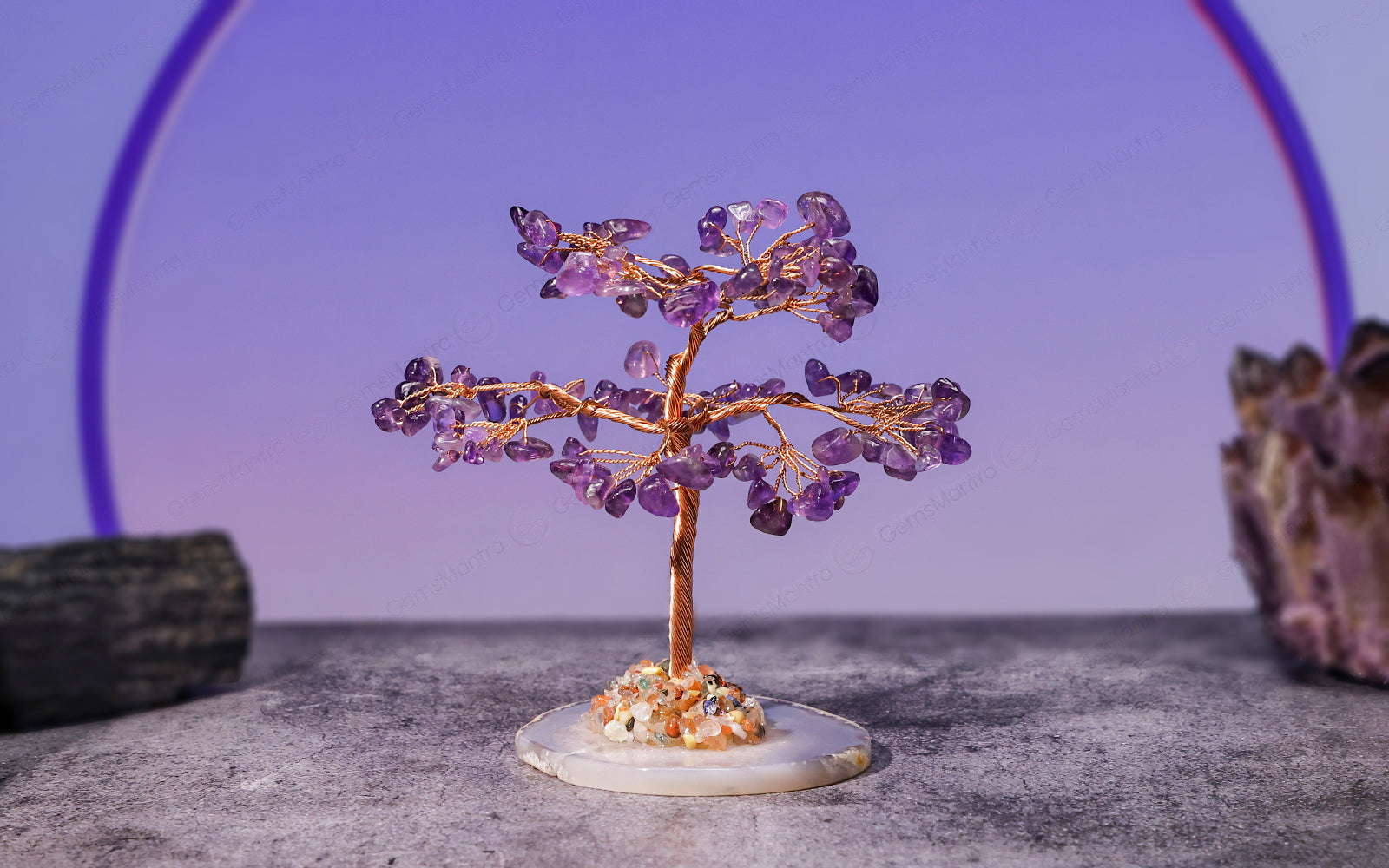
Crystal Trees, Spheres and Pyramids: What Each Shape Is For
The form a crystal is cut into changes how it is traditionally used. A guide to trees, spheres, pyramids, points and raw clusters - and where to place each.
Read Full Article →
How to Cleanse and Charge Crystals: 6 Methods and When to Use Each
Salt water will ruin some crystals and sunlight will fade others. A method-by-method guide, including which stones must never meet water.
Read Full Article →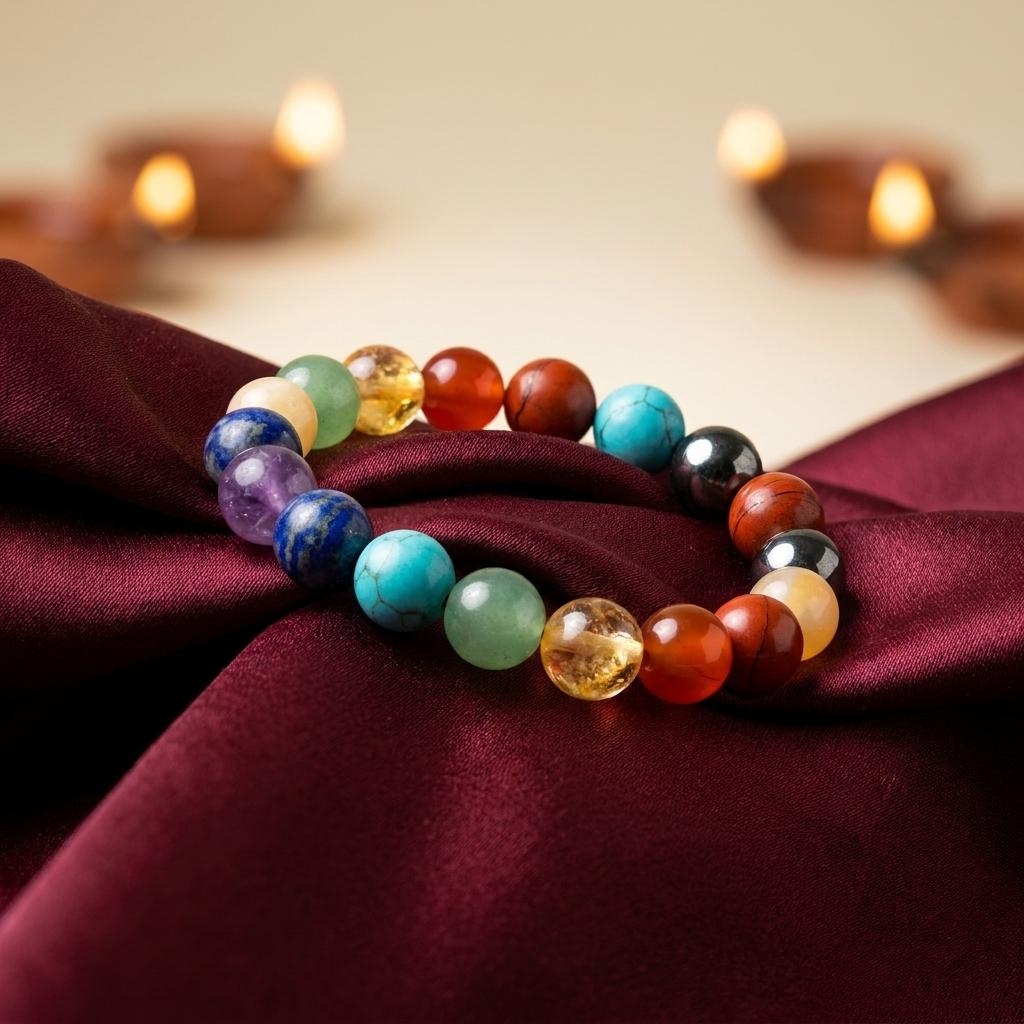
The 7 Chakras and Their Crystals: A Practical Starting Guide
What each of the seven chakras governs, which crystals are traditionally associated with it, and how to build a simple practice without buying everything at once.
Read Full Article →0 Comments
Be the first to share your thoughts on this article.
Leave a Comment
Your comment will be reviewed by our team before it appears publicly.