
What Is Rudraksha? A Beginner's Guide to Shiva's Sacred Bead
Jan 16, 2025
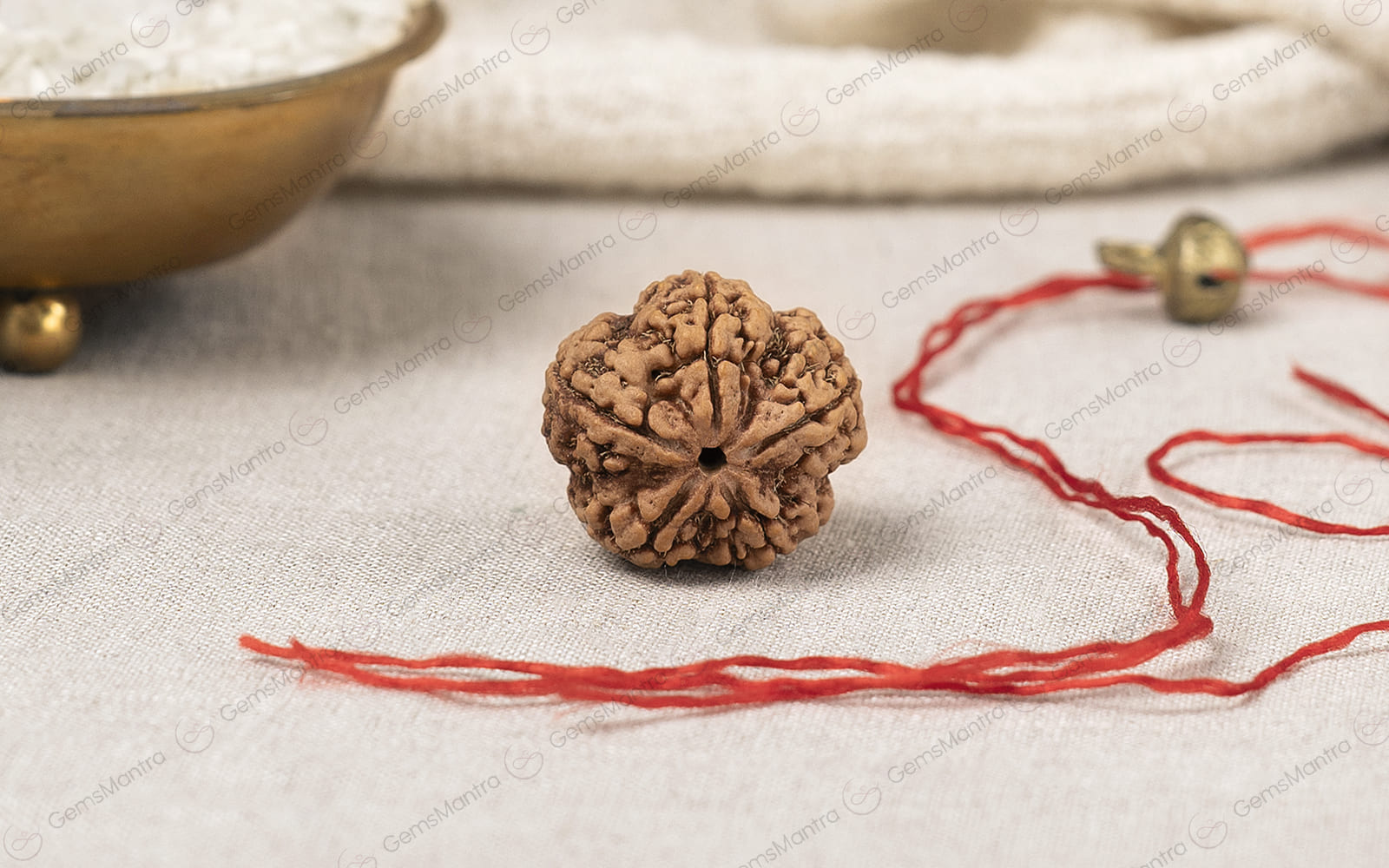
Almost everyone who walks into Rudraksha for the first time arrives with the same two questions: what exactly is this bead, and how do I know the one I am holding is real? This guide answers the first properly, so the second becomes much easier to judge.
The bead itself
Rudraksha is not a stone, a wood carving or a manufactured bead. It is the seed of the Elaeocarpus ganitrus tree, a tall evergreen that grows in the Himalayan foothills of Nepal and in parts of Indonesia, Malaysia and southern India. The tree fruits once a year. The blue outer fruit is removed, and what remains is a hard, deeply grooved seed - the bead you wear.
The name comes from two Sanskrit words: Rudra, a name of Shiva, and aksha, meaning eye or tear. The traditional account is that the beads formed from Shiva's tears after a long meditation on the welfare of the world. That story is the reason the bead is treated as sacred rather than decorative.
What "mukhi" means
Look closely at any Rudraksha and you will see natural vertical lines running from the top of the bead to the bottom. These are called mukhi, or faces. They are not carved or scored - they are the seams of the seed's internal compartments, and each compartment holds one kernel.
The number of lines determines the bead's classification. A bead with five lines is a 5 Mukhi, one with three lines is a 3 Mukhi, and so on. Each mukhi is traditionally associated with a particular deity and planet, which is where the astrological side of Rudraksha begins.
- 1 to 14 Mukhi - the common range, covering nearly all practical recommendations.
- 15 to 21 Mukhi - progressively rarer, and priced accordingly.
- Special forms - Gauri Shankar (two beads naturally joined), Ganesh (with a natural trunk-like protrusion), Trijuti (three joined), Sawar and Garbh Gauri.
Why 5 Mukhi is recommended so often
If you ask ten practitioners which bead a beginner should start with, most will say 5 Mukhi. There are three sound reasons for this.
First, it is governed by Guru (Jupiter) and associated with Kalagni Rudra - a combination considered universally benefic, with no traditional restriction on who may wear it. Second, it is by far the most abundant mukhi, so a genuine, well-formed bead is affordable. Third, it is the standard bead of the 108-bead japa mala, which means it has centuries of use in daily practice behind it.
A commonly repeated principle: rare does not mean better. A well-formed, undamaged 5 Mukhi worn consistently will serve you far better than a rare high-mukhi bead bought once and left in a drawer.
Nepali or Indonesian?
Both are genuine Rudraksha. The difference is size and surface. Nepali beads are larger - typically 18 to 30 mm - with deep, pronounced grooves and heavy thorn-like ridges. Indonesian (often sold as Java) beads are small, usually 5 to 12 mm, with a smoother, finer surface.
Nepali beads are preferred for single-bead pendants where presence matters. Indonesian beads are ideal for malas and bracelets, where 108 large beads would be unwearable. Neither is a substitute for the other, and price differences between them reflect size and yield, not authenticity. We cover the distinction in detail in Nepali vs Indonesian Rudraksha.
How to choose your first bead
- Start with intent, not rarity. Focus and calm, courage, wealth, protection - name the reason. It narrows the field immediately.
- Default to 5 Mukhi unless advised otherwise. It suits nearly everyone and costs little enough to build the habit of wearing.
- Insist on certification. A lab report confirming the bead is natural and stating the mukhi count is the single most useful thing a seller can give you.
- Check the bead physically. Lines should run unbroken from hole to hole. The surface should feel irregular, never uniformly moulded.
- Buy the size you will actually wear. A 30 mm pendant is striking but heavy for daily office wear.
Before you wear it
Rudraksha is traditionally worn after a simple purification - a rinse in clean water, a wipe with a soft cloth, and 108 repetitions of Om Namah Shivaya. Monday is the preferred day, and Shravan month or Mahashivratri are considered especially auspicious. The full sequence, along with the practical rules people most often get wrong, is in our Rudraksha wearing rules guide.
If you would like a bead matched to your birth chart rather than chosen at random, our free Rudraksha recommendation tool will suggest a mukhi based on your details, and you can browse the full certified Rudraksha collection from there.
You May Also Like
Can Women Wear Rudraksha? Clearing Up a Persistent Misconception
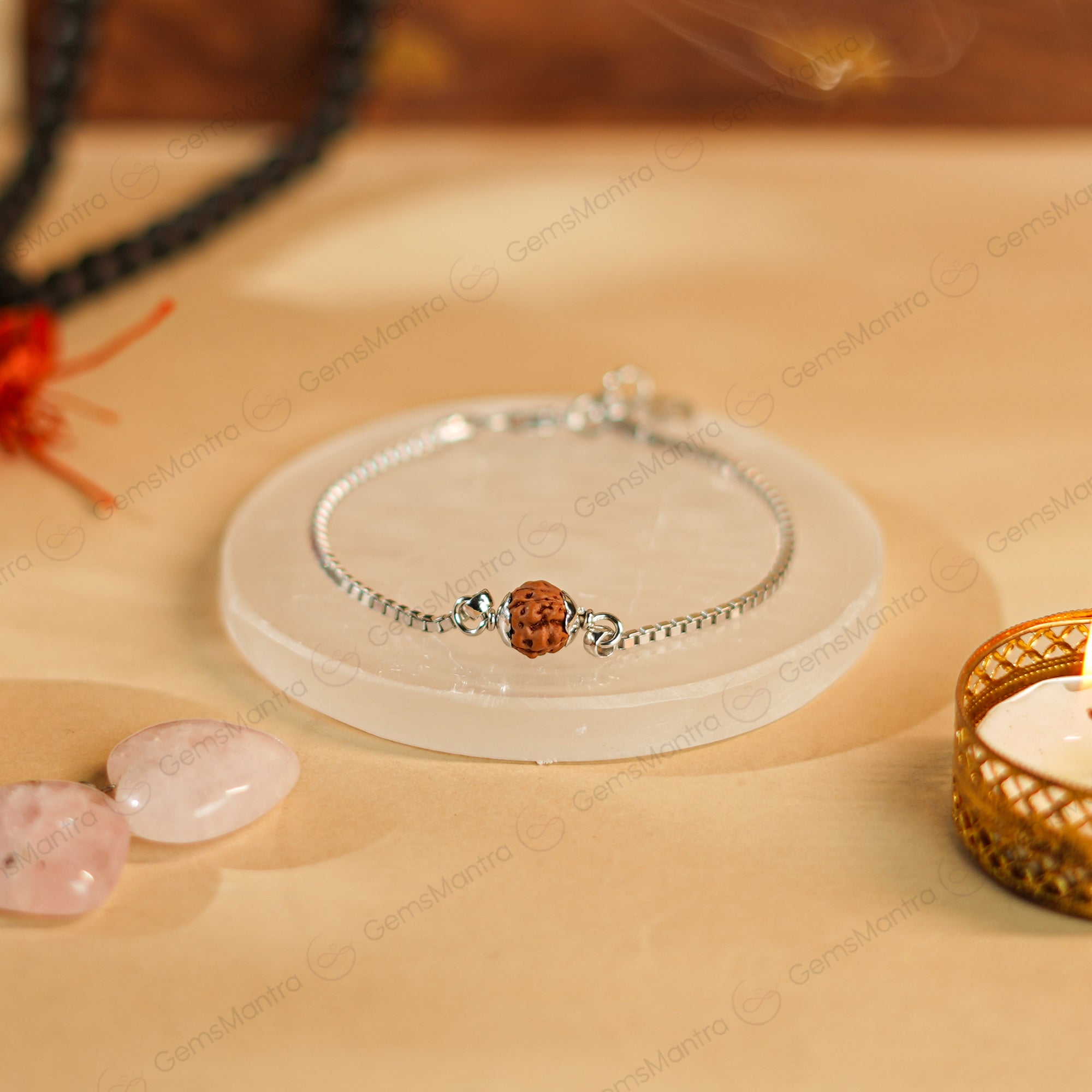
The claim that women should not wear Rudraksha has no scriptural basis. Here is where the idea came from and what the tradition actually says.
Read Full Article →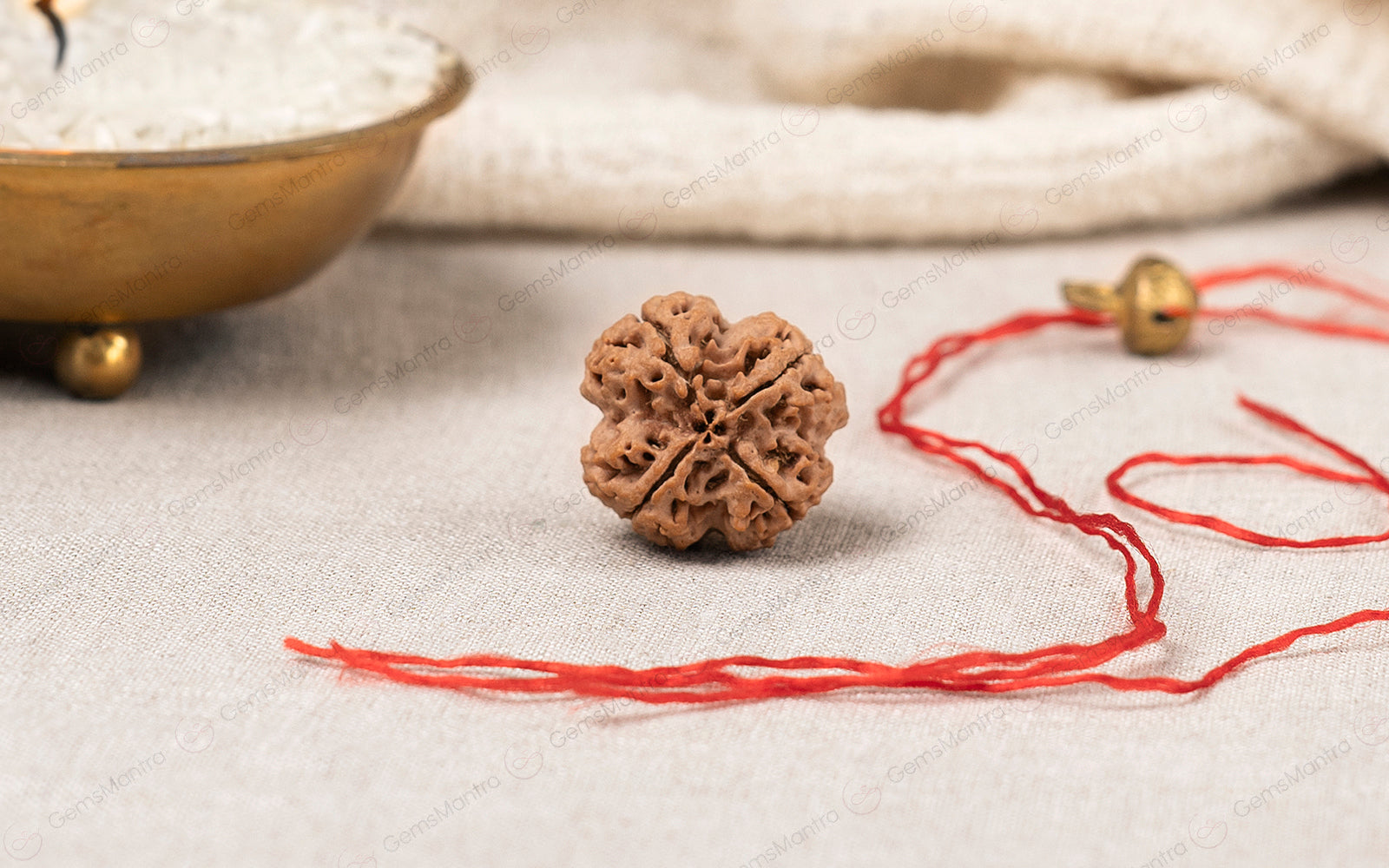
Rudraksha for Students: 4 and 6 Mukhi for Focus, Memory and Confidence
Which beads are traditionally given to students, how to combine them, and how to build a study routine around them that a teenager will actually keep.
Read Full Article →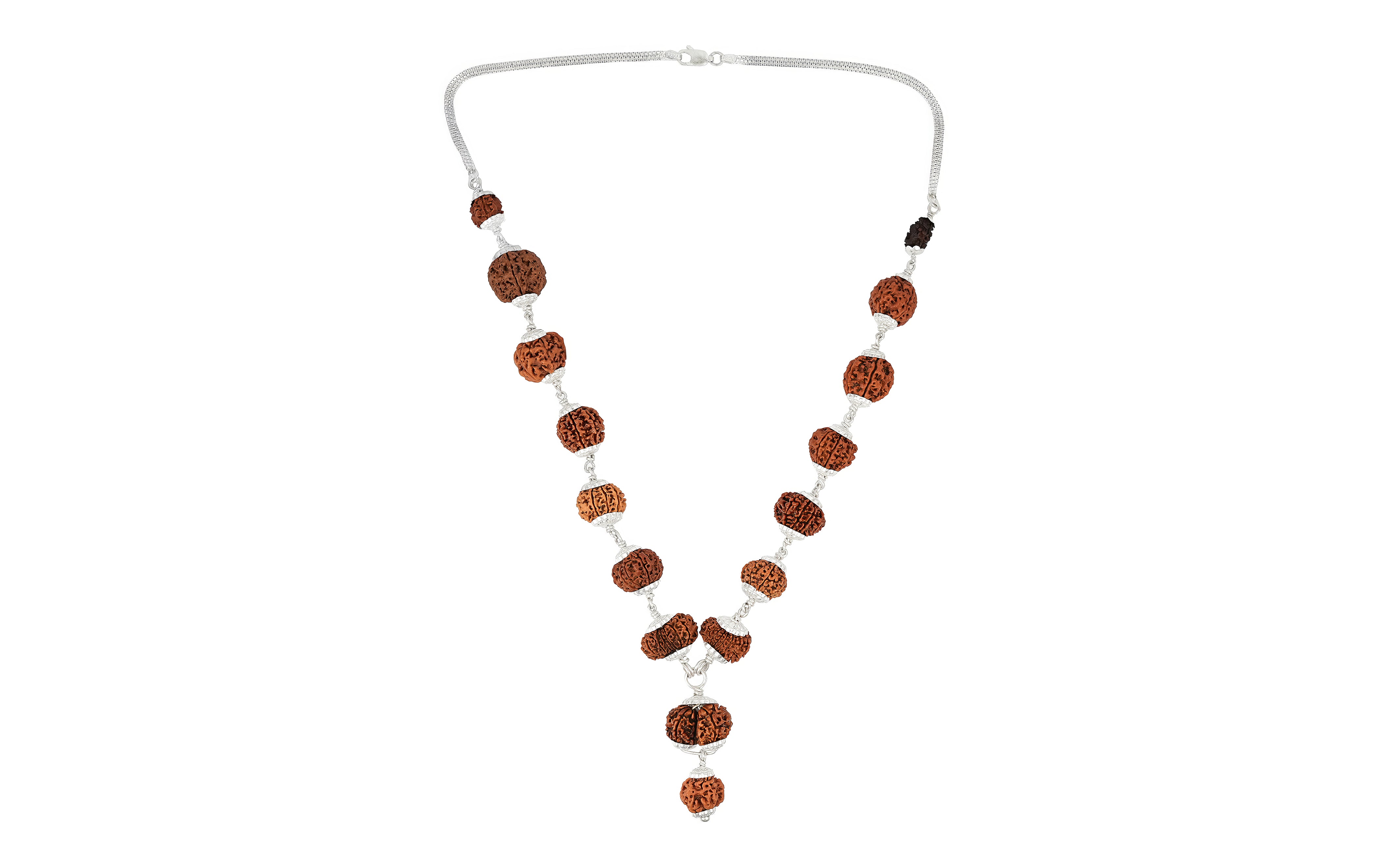
Gauri Shankar, Ganesh and Trijuti: The Rare Rudraksha Forms Explained
Some Rudraksha grow joined, or with a natural protrusion. These special forms carry their own meanings - and are also the most commonly faked.
Read Full Article →0 Comments
Be the first to share your thoughts on this article.
Leave a Comment
Your comment will be reviewed by our team before it appears publicly.