
5 Mukhi Rudraksha Benefits: Why It Is the Most Recommended Bead
Mar 6, 2025
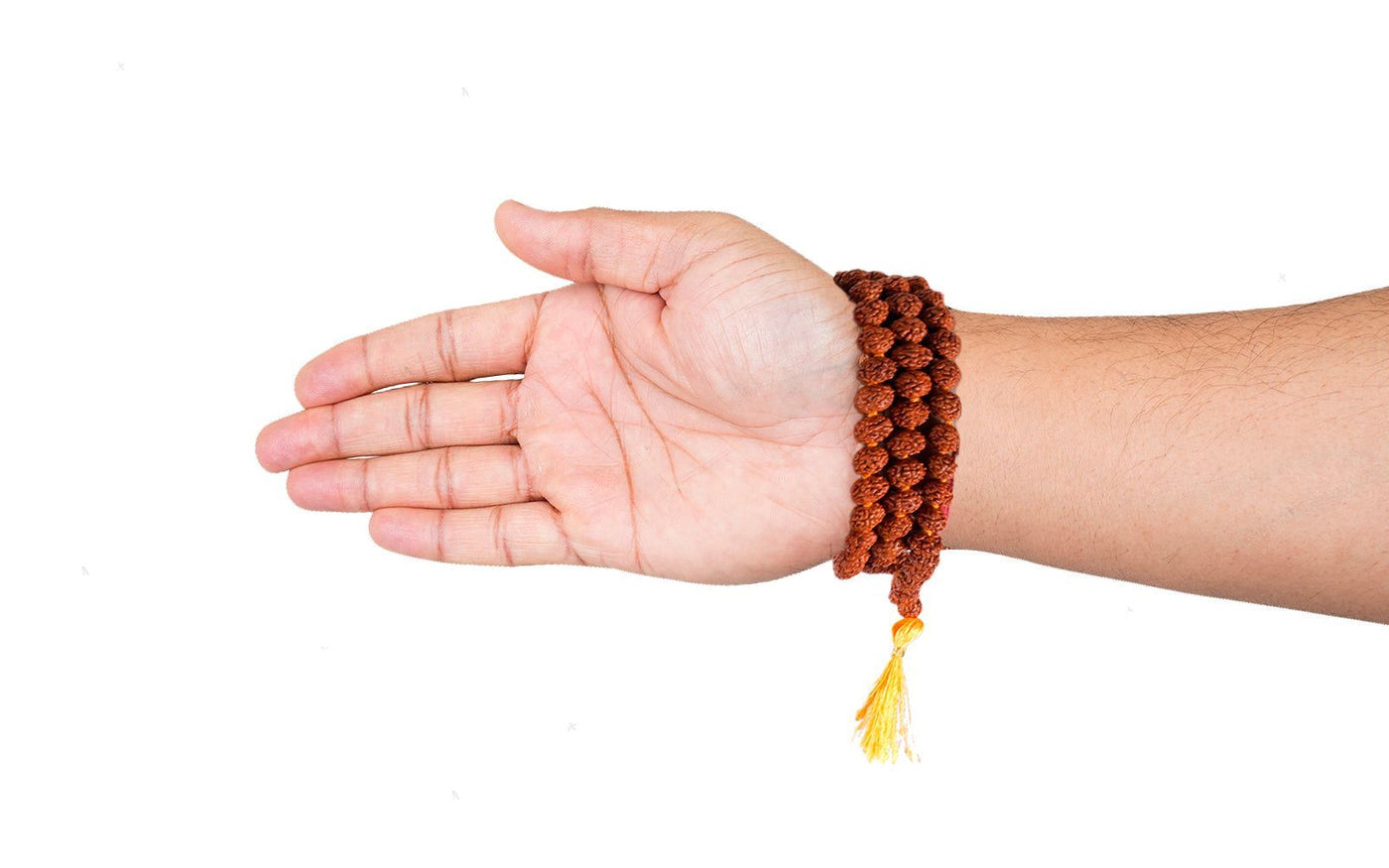
Roughly seven out of every ten Rudraksha we sell are 5 Mukhi. That is not a marketing accident - it reflects a long tradition of treating this bead as the safe, sensible starting point for almost anyone.
What the bead represents
The 5 Mukhi is associated with Kalagni Rudra, a fierce form of Shiva, and is ruled by Guru - Jupiter. Jupiter in Vedic astrology governs wisdom, expansion, health and good counsel, and it is considered the most naturally benefic of the nine grahas. A bead ruled by Jupiter carries no traditional caution about who may wear it, which is why it is the one mukhi given freely to beginners, children and elders alike.
What it is traditionally used for
- Mental calm. The most consistent report from wearers is reduced restlessness - useful for anyone with an overactive mind at night.
- Meditation and japa. The 108-bead 5 Mukhi mala is the default tool of Shiva sadhana.
- General health. Classical texts link it to blood pressure and to the body's overall vitality.
- Steadiness under pressure. Commonly chosen by students during exams and by people in high-stress roles.
- Strengthening a weak Jupiter. Where a chart shows Guru afflicted, this is the standard remedial bead.
It is worth being direct here: these are traditional associations backed by long use, not clinical claims. Rudraksha supports a practice - it does not replace medical treatment.
How to wear it
There are three usual formats, and the choice is practical rather than spiritual.
- Single bead pendant. One large Nepali bead on a red thread or silver cap. Simple, visible, easy to maintain.
- 108-bead mala. For japa. Worn around the neck between sessions, or kept in a cloth pouch.
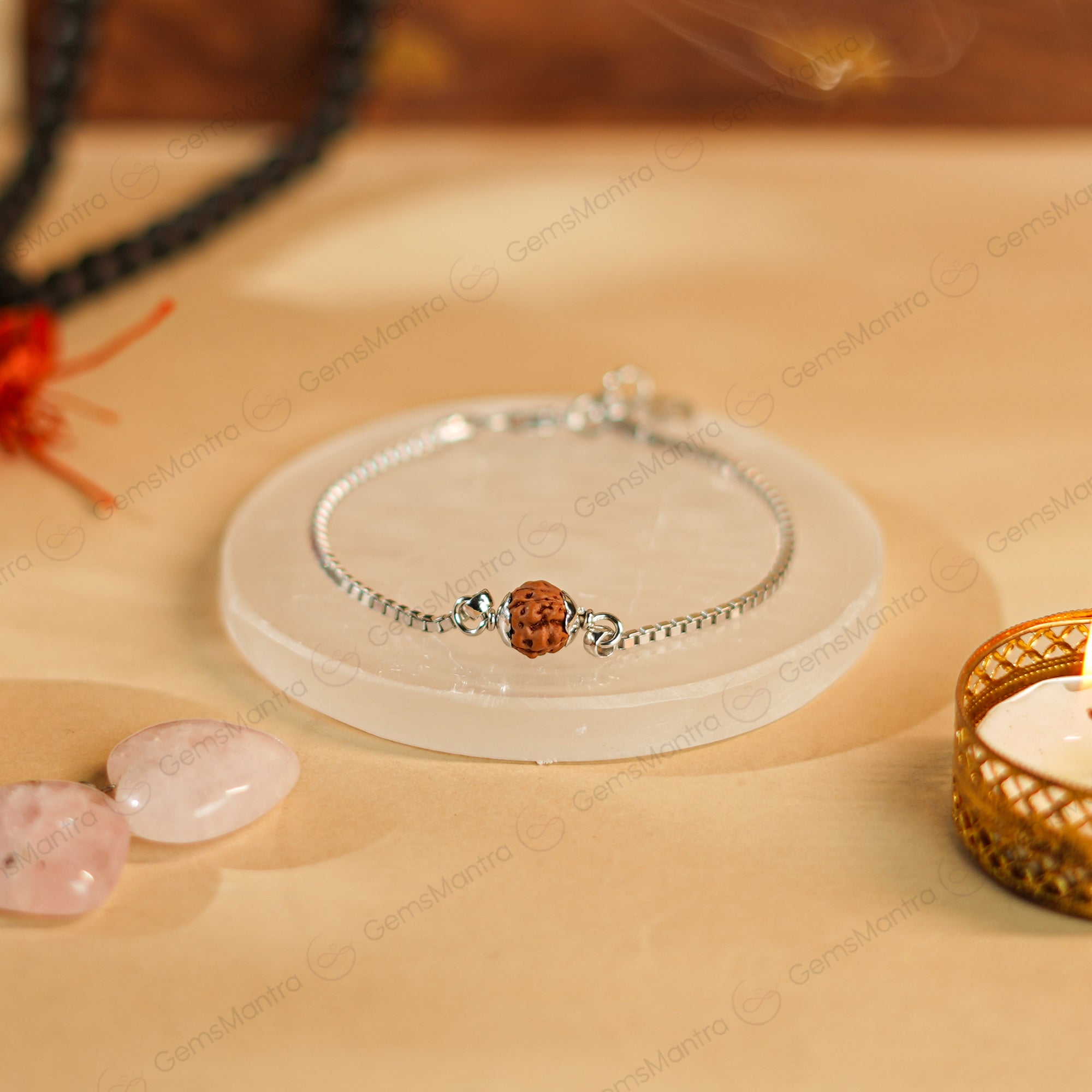
- Bracelet. Usually smaller Indonesian beads, sometimes combined with a crystal such as amethyst or green aventurine.
Wear it on a Monday morning after bathing. Rinse the bead in clean water, hold it while repeating Om Namah Shivaya 108 times, then put it on. That is the whole ritual - anything more elaborate is optional.
Nepali versus Indonesian 5 Mukhi
Both are genuine. The Nepali bead is large - typically 20 to 26 mm - with deep grooves and a heavy, textured surface, and it makes the better pendant. The Indonesian bead is 5 to 10 mm, smooth and uniform, and it makes the better mala or bracelet because 108 Nepali beads would be impractical to wear.
Expect Nepali beads to cost several times more per bead. That is a size-and-yield difference, not a quality difference.
Checking a bead is genuine
Because 5 Mukhi is cheap and abundant, outright fakes are less common than with rare mukhis - but low-grade and damaged beads are routinely sold as premium. Look for:
- Five clear lines running unbroken from the top hole to the bottom hole, with no break or joint.
- A naturally irregular surface. Two beads should never look identical - moulded beads do.
- Intact, un-chipped ridges around the drill hole.
- A lab certificate confirming natural origin and mukhi count.
Water and copper-coin tests circulate widely online and are unreliable - we explain why in how to identify original Rudraksha.
Caring for it
Keep it away from soap, shampoo and perfume, which strip the natural oils and dry the surface. Oil it lightly with mustard or olive oil every two to three months. Remove it before swimming. Full instructions are in our cleaning and oiling guide.
Ready to choose one? Browse certified 5 Mukhi beads and malas.
You May Also Like
Can Women Wear Rudraksha? Clearing Up a Persistent Misconception
The claim that women should not wear Rudraksha has no scriptural basis. Here is where the idea came from and what the tradition actually says.
Read Full Article →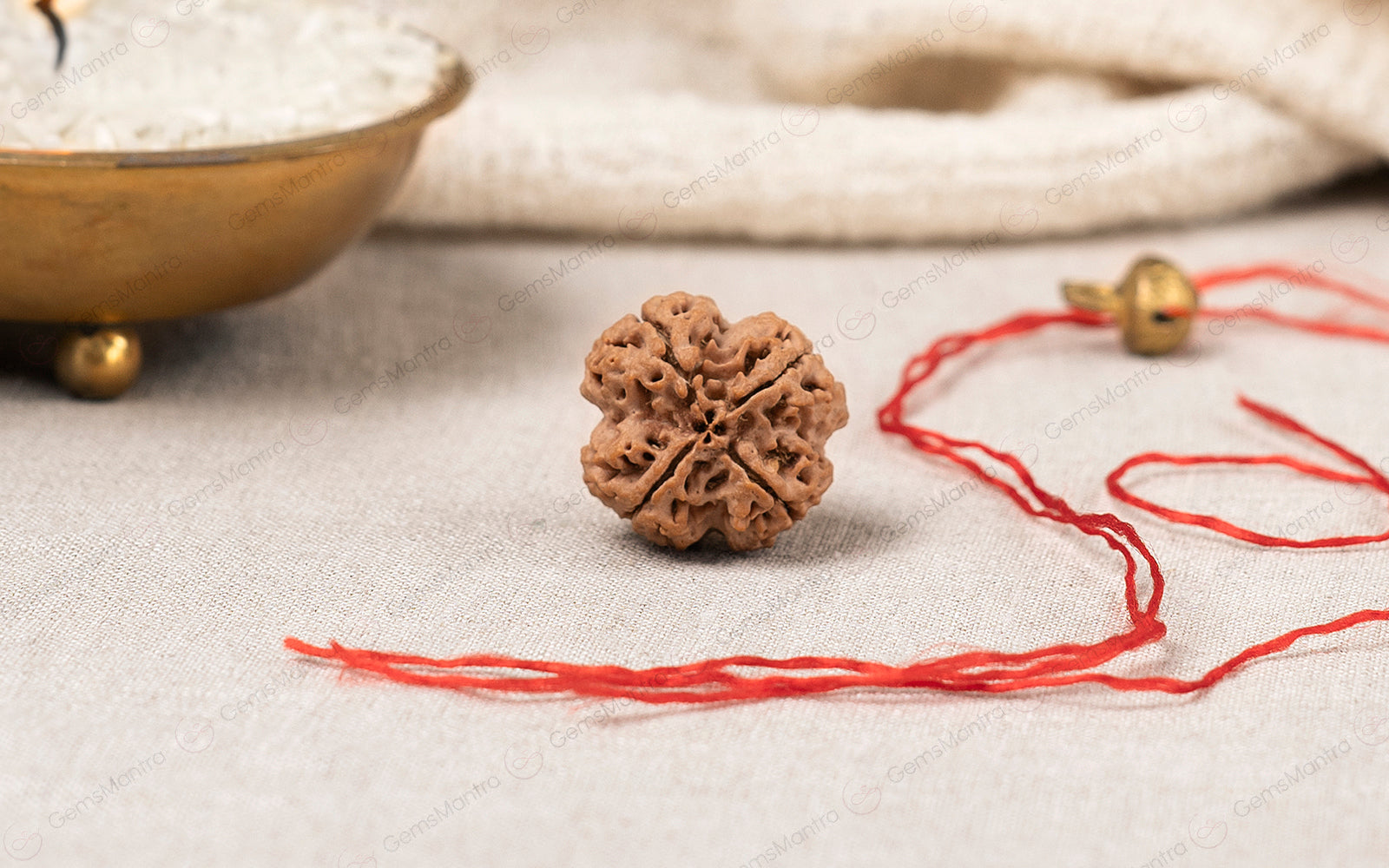
Rudraksha for Students: 4 and 6 Mukhi for Focus, Memory and Confidence
Which beads are traditionally given to students, how to combine them, and how to build a study routine around them that a teenager will actually keep.
Read Full Article →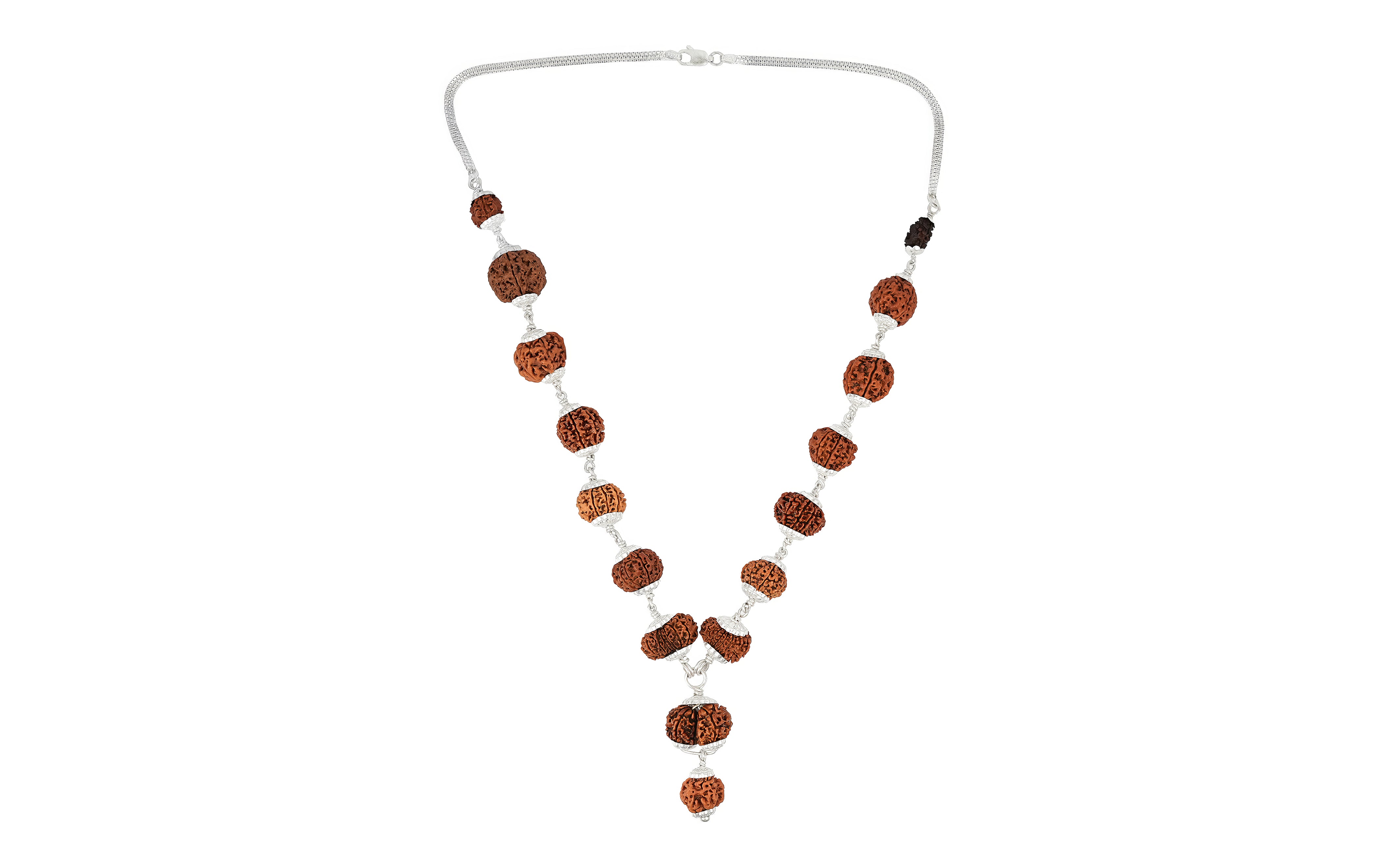
Gauri Shankar, Ganesh and Trijuti: The Rare Rudraksha Forms Explained
Some Rudraksha grow joined, or with a natural protrusion. These special forms carry their own meanings - and are also the most commonly faked.
Read Full Article →0 Comments
Be the first to share your thoughts on this article.
Leave a Comment
Your comment will be reviewed by our team before it appears publicly.