
Why Rudraksha Prices Vary So Much: A Transparent Breakdown
Nov 25, 2025
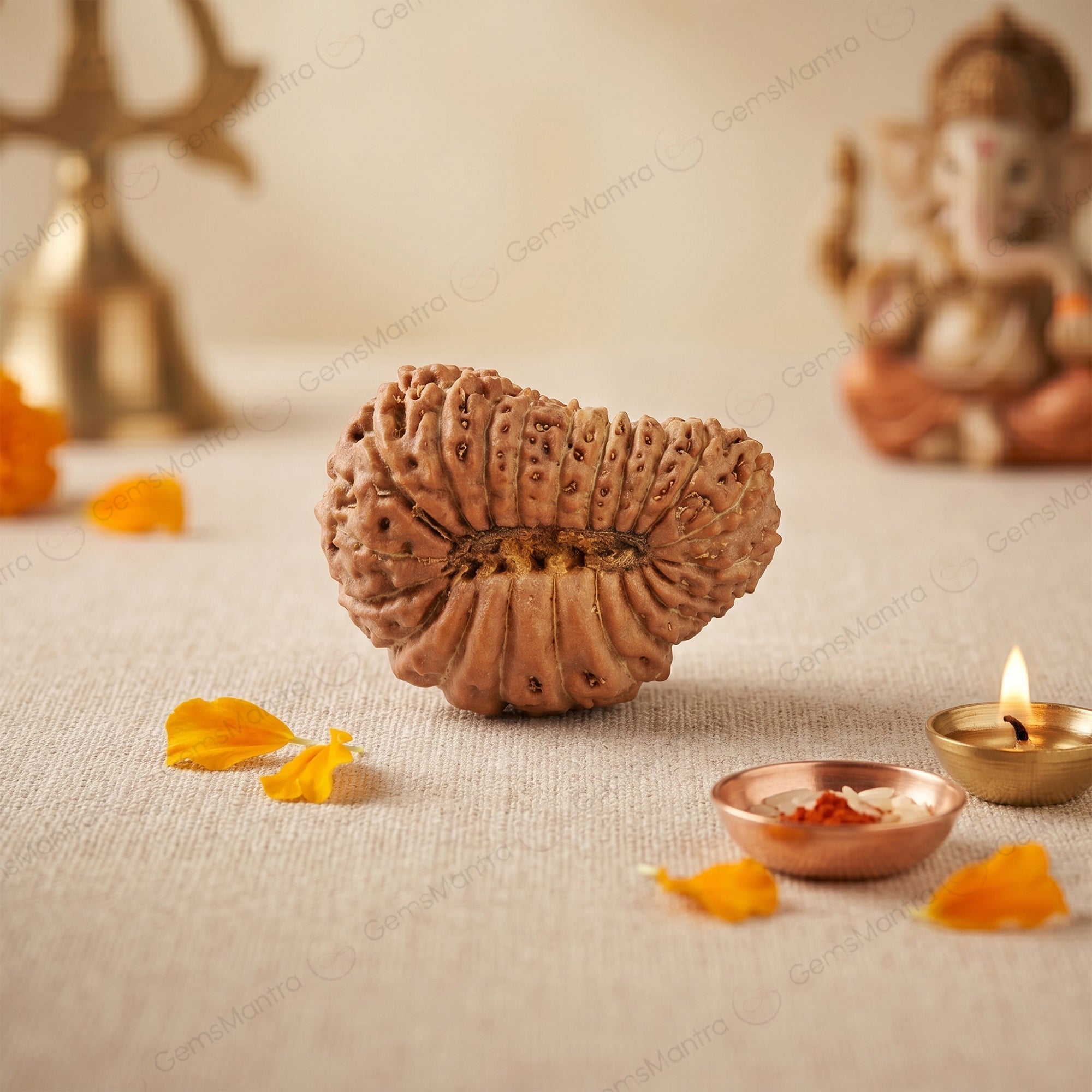
A 5 Mukhi bead can cost less than a cup of coffee. A verified 21 Mukhi can cost more than a car. Both are Rudraksha from the same species of tree. Six factors account for the whole range.
1. Mukhi rarity
This is the largest single driver. Roughly 70 to 80 percent of all Rudraksha harvested are 5 Mukhi, which is why 5 Mukhi is cheap - and why it is also the most widely recommended bead. Availability falls steeply above 10 Mukhi, and above 14 the beads are genuinely scarce.
The important corollary: rarity is not potency. A 21 Mukhi is expensive because few exist, not because it does twenty-one times more than a 5 Mukhi. See the mukhi-by-mukhi guide.
2. Origin
Nepali beads cost several times more per bead than Indonesian, because they are three to four times larger and harvested in far smaller volumes. Both are genuine. See Nepali vs Indonesian Rudraksha.
3. Size
Within Nepali beads, size drives price sharply. A 30 mm bead of a given mukhi can cost several times a 20 mm bead of the same mukhi. Large beads are simply less common, and demand for pendant-sized specimens is high.
4. Grade
Two beads of the same mukhi, origin and size can differ substantially in price on quality alone:
- Shape - round and symmetrical commands a premium over oval or irregular.
- Surface - deep, well-defined grooves and intact ridges.
- Damage - chips, cracks or worn thorns reduce value considerably.
- Line clarity - clean, unbroken mukhi lines running hole to hole.
- Colour - even, natural brown without artificial darkening.
5. Certification
X-ray or CT testing costs money, and a certified bead carries that cost. For 5 and 6 Mukhi the premium is a meaningful proportion of a low price. For anything above 10 Mukhi it is a small proportion of a large price - and it is the difference between owning what you paid for and owning a carved 5 Mukhi.
Buy uncertified below 8 Mukhi if you have inspected the bead and trust the seller. Never buy uncertified above 10 Mukhi.
6. Setting and finishing
A loose bead, a bead capped in silver, a bead capped in gold and a bead in a designed pendant are four different products. Silver capping typically adds a modest amount; gold considerably more. The bead's own value is unchanged - you are paying for metal and workmanship.
Where the money is lost
- Carved lines. A cheap 5 Mukhi sold as an 11 Mukhi. The single most profitable fraud in this market, and the reason certification exists.
- Origin swapping. Indonesian beads at Nepali prices. Ask for the measured diameter.
- Fake Siddha malas. A "1 to 14 Mukhi" mala at a price that could not cover the 12, 13 and 14 alone. See Siddha, Rudra and Indra malas explained.
- Manufactured scarcity. Steep discounts on high mukhis. Genuine scarcity does not go on sale.
- Paying for energisation without asking what was actually done - see what energised really means.
What to expect to spend
Broad guidance rather than a price list, since the market moves:
- Indonesian 5 Mukhi bead or 108-bead mala - the most economical entry point in the whole category.
- Nepali 5 Mukhi pendant bead - modest, and the sensible first serious purchase.
- Nepali 6, 7 or 8 Mukhi - a step up, still accessible.
- Nepali 10 to 14 Mukhi - a considered purchase; certification essential.
- 15 Mukhi and above, Gauri Shankar, Trijuti - collector territory. Per-bead laboratory reports, always.
Where to spend and where to save
Spend on: certification for high mukhis, bead size if you want a pendant, and a seller who will take an authenticity return.
Save on: metal caps (thread is traditional and costs nothing), rare mukhis you have no chart-based reason for, and elaborate packaging.
Browse certified Rudraksha, or get a chart-based suggestion from the recommendation tool.
You May Also Like
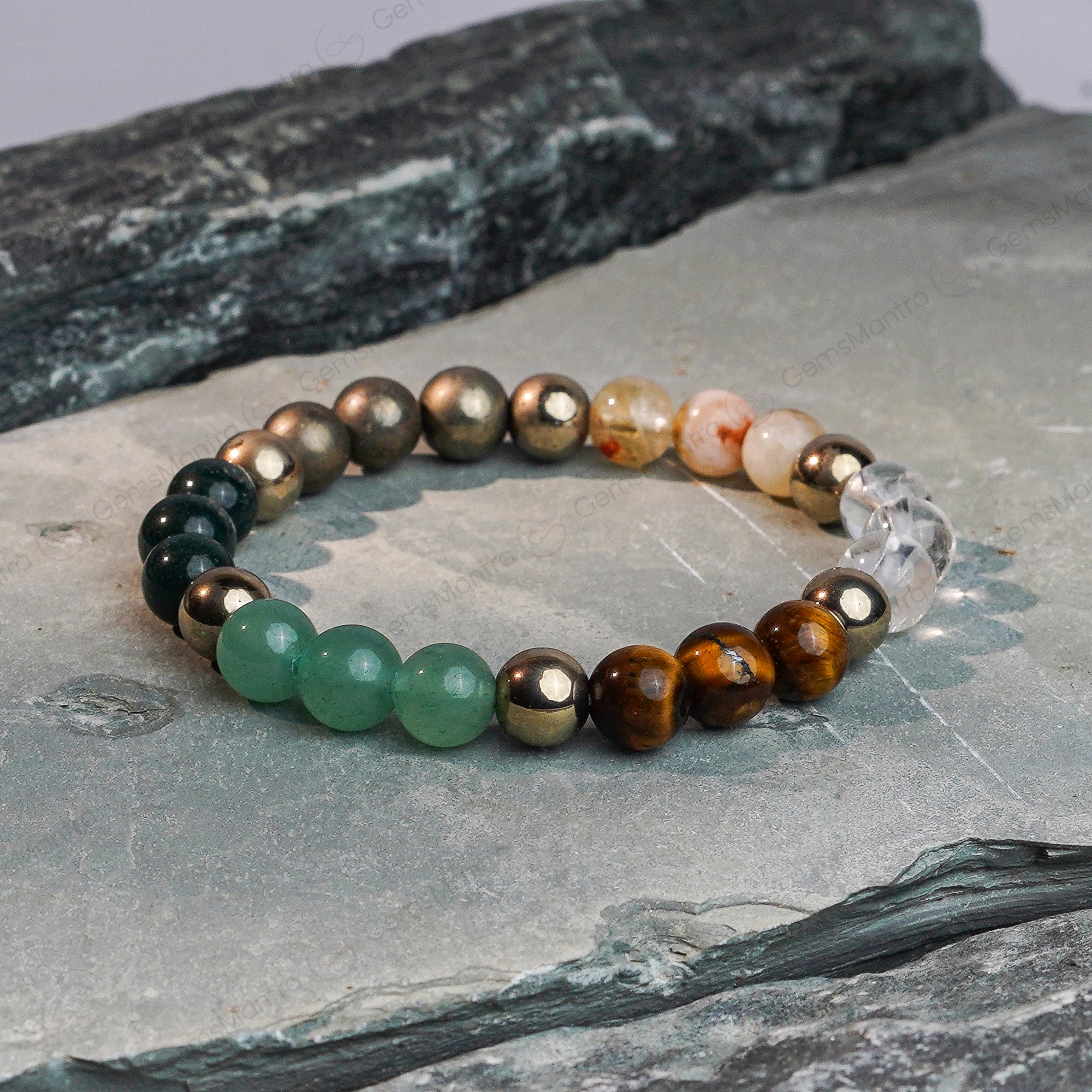
Bracelet Sizing, Mala Length and Pendant Fit: Get It Right First Time
How to measure your wrist properly, how bead size changes the fit, what mala lengths actually mean, and how to pick a pendant chain that sits where you want it.
Read Full Article →
Rudraksha and Gemstone Gifting Guide: What to Give and When
Spiritual items make thoughtful gifts and awkward ones. Which pieces are safe to give without knowing someone's chart, and which you should never choose for another person.
Read Full Article →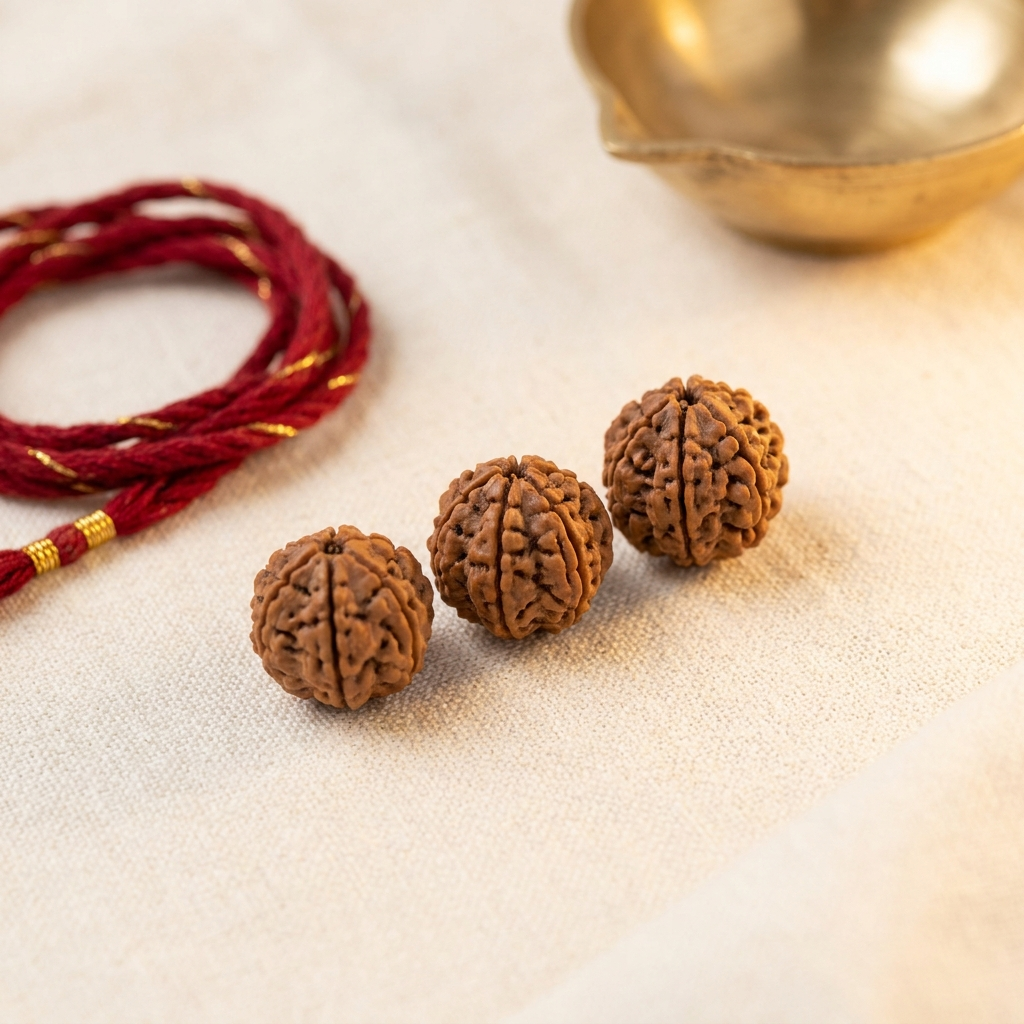
8 Red Flags When Buying Rudraksha and Gemstones Online
You cannot hold the item before it arrives, so the checks have to move to the seller. Eight warning signs, and the questions that expose them quickly.
Read Full Article →0 Comments
Be the first to share your thoughts on this article.
Leave a Comment
Your comment will be reviewed by our team before it appears publicly.