
Sawan (Shravan) Month: A Practical Guide to Shiva Worship
Oct 28, 2025
Shravan - Sawan in common usage - is the fifth month of the Hindu lunar calendar, falling in July and August. It is the most significant month of the year for Shiva worship, and for many households the only period in which a formal weekly vrat is kept.
Why this month
The traditional account returns to the Samudra Manthan, the churning of the ocean. The halahala poison that emerged threatened creation, and Shiva drank it, holding it in his throat - which turned blue, giving him the name Neelkanth. This is said to have occurred during Shravan, and the water offered to the Shivling through the month is understood as a continuing act of cooling.
A second account holds that Parvati completed her austerities in Shravan and won Shiva as her husband, which is why unmarried women keep the Shravan Somvar vrat.
Shravan Somvar - the Monday vrat
Every Monday in the month is observed. There are typically four, sometimes five.
- Rise before sunrise and bathe.
- Visit a Shiva temple if you can, or perform the puja at home.
- Perform abhishek: water, then milk, then water again. Add curd, ghee, honey and sugar for a full panchamrit.
- Offer bilva leaves - three-lobed, smooth side down - along with white flowers, sandalwood paste, vibhuti and dhatura.
- Chant Om Namah Shivaya 108 times, or the Mahamrityunjaya mantra.
- Read or hear the Shravan Somvar katha.
- Keep the fast, and break it in the evening after the puja.
Fasting options: nirjala (nothing at all), phalahar (fruit and milk), or one sattvic meal in the evening. Choose what you can sustain across four consecutive Mondays - an observance abandoned in week two serves nobody.
Mangala Gauri vrat
Tuesdays in Shravan are dedicated to Parvati as Mangala Gauri, kept particularly by married women for the well-being of the family. The puja is performed in the morning with sixteen items offered, and it runs for five consecutive years in the traditional observance.
Daily practice through the month
Beyond the Monday vrat, the month is treated as a period of heightened practice:
- Offer water to a Shivling daily, however briefly.
- Chant Om Namah Shivaya - one mala of 108 daily is the common commitment.
- Recite the Shiva Chalisa or Rudrashtakam.
- Keep a sattvic diet: many households avoid onion, garlic, non-vegetarian food and alcohol for the whole month.
- Light a ghee or sesame oil lamp each evening.
- Give - food, cloth or money - on at least one Monday.
Kanwar Yatra
Devotees - kanwariyas - walk to the Ganga, most often to Haridwar, Gaumukh or Sultanganj, collect water in decorated pots, and carry it back on foot to offer at their local Shiva temple. The journey can run to hundreds of kilometres, and the pots are traditionally not set down on the ground for the entire return.
What to wear
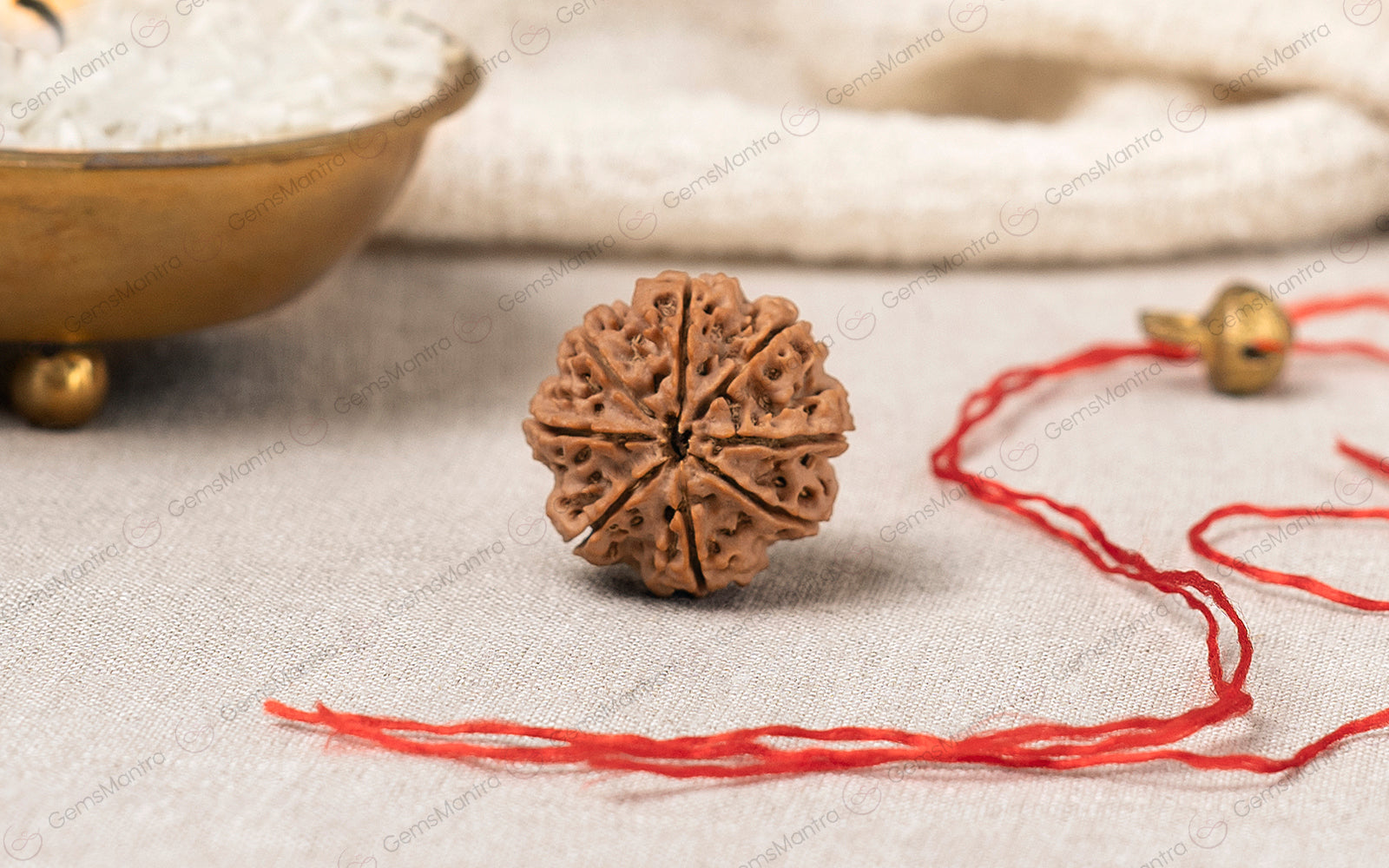
Sawan is, alongside Mahashivratri, the most auspicious period of the year to begin wearing Rudraksha. The common choices:
- 5 Mukhi - the standard first bead, suitable for everyone.
- Rudraksha mala for the month's daily japa.
- 1 Mukhi or Sawar - directly Shaiva.
- Combination sets - 5+7+8 Mukhi is a frequently chosen grouping for the month.
- Green bangles and green clothing on Mondays, in the North Indian custom.
Begin on the first Monday of the month, purifying and chanting over the bead before wearing - see Rudraksha wearing rules.
If you work full time
A realistic observance is better than an abandoned one. Offer water at home before leaving, keep a phalahar fast rather than nirjala, do one mala of japa on the commute or before bed, and light a lamp in the evening. Four Mondays kept simply is a complete Sawan.
Browse Rudraksha for Sawan, or read the Mahashivratri guide.
You May Also Like
Camphor, Dhoop and Deepak: The Purpose Behind Everyday Puja Items
Why camphor is burned at the end of an aarti, which oil belongs in the lamp, and what the five elements have to do with the order of a puja.
Read Full Article →
Vastu for Your Puja Room: Direction, Layout and Common Mistakes
Where the mandir should go, which way the idols face, and what to do if you live in a flat with no room to spare. Practical Vastu, not the intimidating kind.
Read Full Article →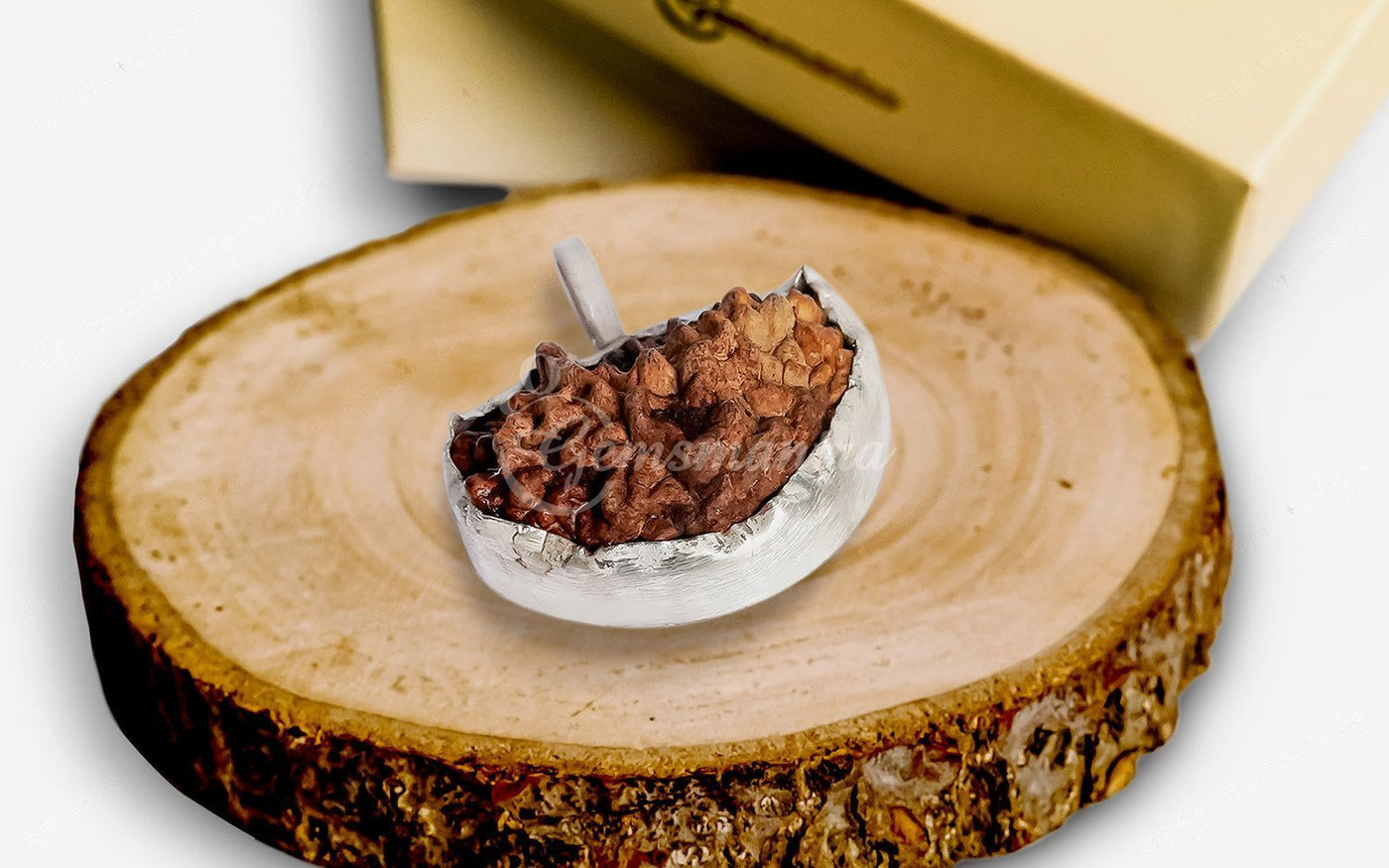
Mahashivratri: How to Observe It and Which Beads to Wear
The night of Shiva, the four prahar puja, the fast, and why it is considered the single most auspicious time in the year to begin wearing Rudraksha.
Read Full Article →0 Comments
Be the first to share your thoughts on this article.
Leave a Comment
Your comment will be reviewed by our team before it appears publicly.