
Mahashivratri: How to Observe It and Which Beads to Wear
Aug 26, 2025
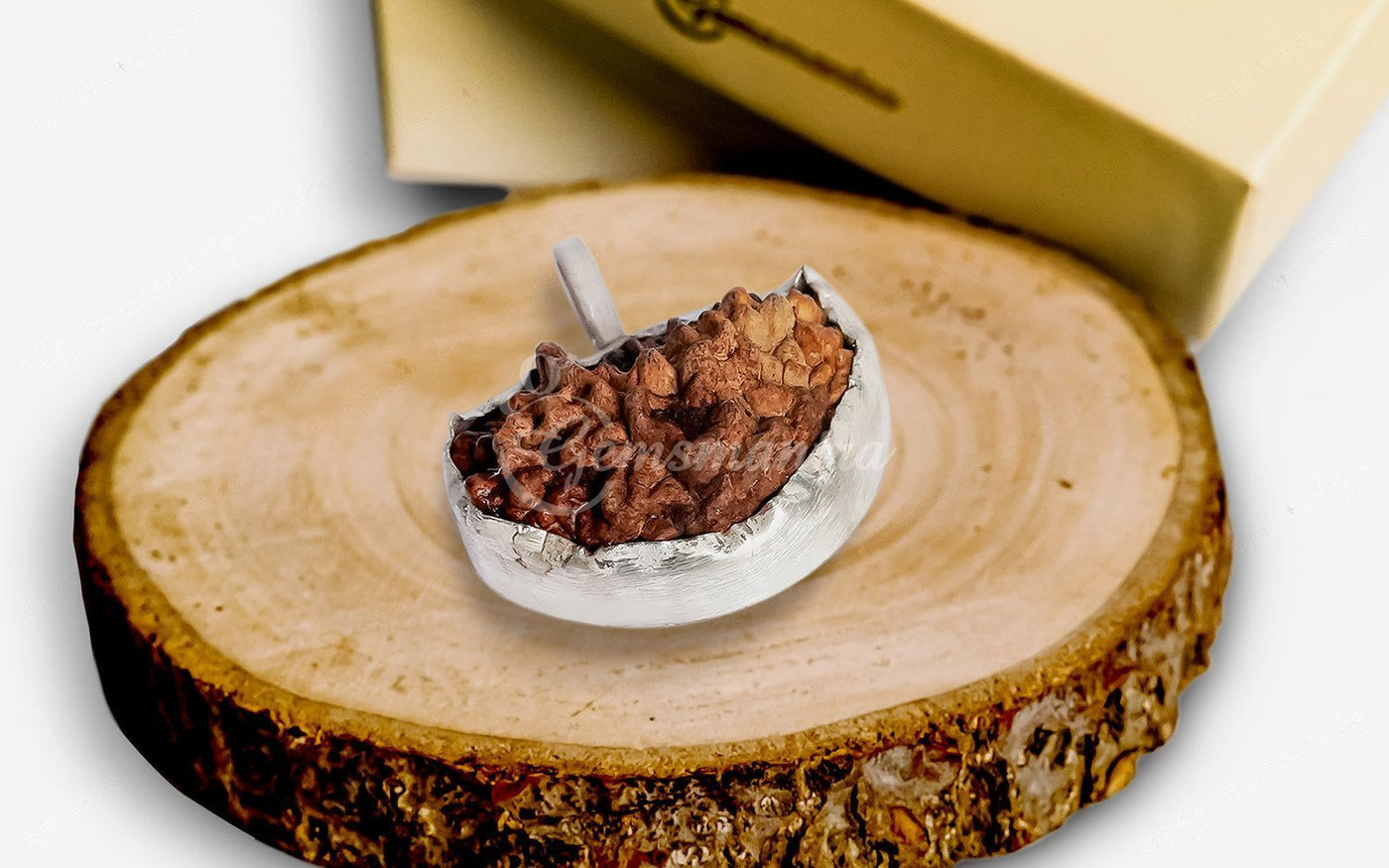
Mahashivratri - the great night of Shiva - falls on the fourteenth night of the waning moon in the month of Phalguna, usually in February or March. It is observed at night rather than during the day, which is what distinguishes it from most festivals in the calendar.
Why the night
Several accounts are given. In one, it is the night Shiva performed the Tandava. In another, the night of his marriage to Parvati. In a third, the night he drank the halahala poison during the churning of the ocean and held it in his throat, which is why he is Neelkanth.
The yogic account is more practical: on this night the planetary positions are said to produce a natural upward surge of energy in the human system. Keeping the spine upright and staying awake is therefore held to be the specific benefit of the observance - which is why the vigil, not the fast, is the central act.
The four prahar puja
The night is divided into four quarters, each with its own abhishek offering.
| Prahar | Approximate time | Offering | Associated with |
|---|---|---|---|
| First | 6 pm - 9 pm | Milk | Purity |
| Second | 9 pm - 12 am | Curd | Prosperity |
| Third | 12 am - 3 am | Ghee | Knowledge |
| Fourth | 3 am - 6 am | Honey | Sweetness of speech |
Each abhishek is followed by clean water, then bilva (bel) leaves, and the recitation of Om Namah Shivaya or the Mahamrityunjaya mantra.
What to offer
- Bilva leaves - the most important offering. Three-lobed leaves, offered smooth side down.
- Water, milk, curd, ghee, honey and sugar - the panchamrit abhishek.
- Bhang, dhatura and akand flowers - traditional, where locally customary.
- White flowers, sandalwood paste and vibhuti.
- A ghee or sesame oil lamp, kept lit through the night.
Turmeric and kumkum are traditionally not offered to Shiva, and ketaki flowers are excluded by a well-known Puranic account.
Fasting
Three levels are observed, and all are acceptable:
- Nirjala - without food or water. Demanding, and not advisable for anyone with a health condition.
- Phalahar - fruit, milk and water only. The most common.
- Ek bhukta - one sattvic meal, taken after the night's observance.
The fast is broken the following morning after the final prahar puja and sunrise. Do not attempt a nirjala fast if you are unwell, pregnant, diabetic or on medication - the tradition explicitly permits a lighter observance in these circumstances.
Why beads are begun on this night
Mahashivratri is widely regarded as the most auspicious night of the year to begin wearing Rudraksha - it belongs to Shiva, and this is his night. The customary choices:
- 5 Mukhi - Kalagni Rudra, suitable for anyone, and the usual first bead.
- 1 Mukhi or Sawar - directly associated with Shiva.
- 11 Mukhi - Rudra, associated with self-control.
- 14 Mukhi - Hanuman and the third eye.
- A Rudraksha mala for the night's japa.
Purify the bead during the first prahar, keep it near the lamp through the night, chant over it 108 times during the third prahar - traditionally the most potent - and wear it at dawn. The full sequence is in our Rudraksha wearing rules guide.
If you cannot keep the full vigil
Do the third prahar - midnight to 3 am - which is traditionally considered the most significant. An hour of japa, a lamp and a simple abhishek, done attentively, is a complete observance. The tradition consistently values sincerity over scale.
Browse Rudraksha for Mahashivratri, or read about Sawan month.
You May Also Like
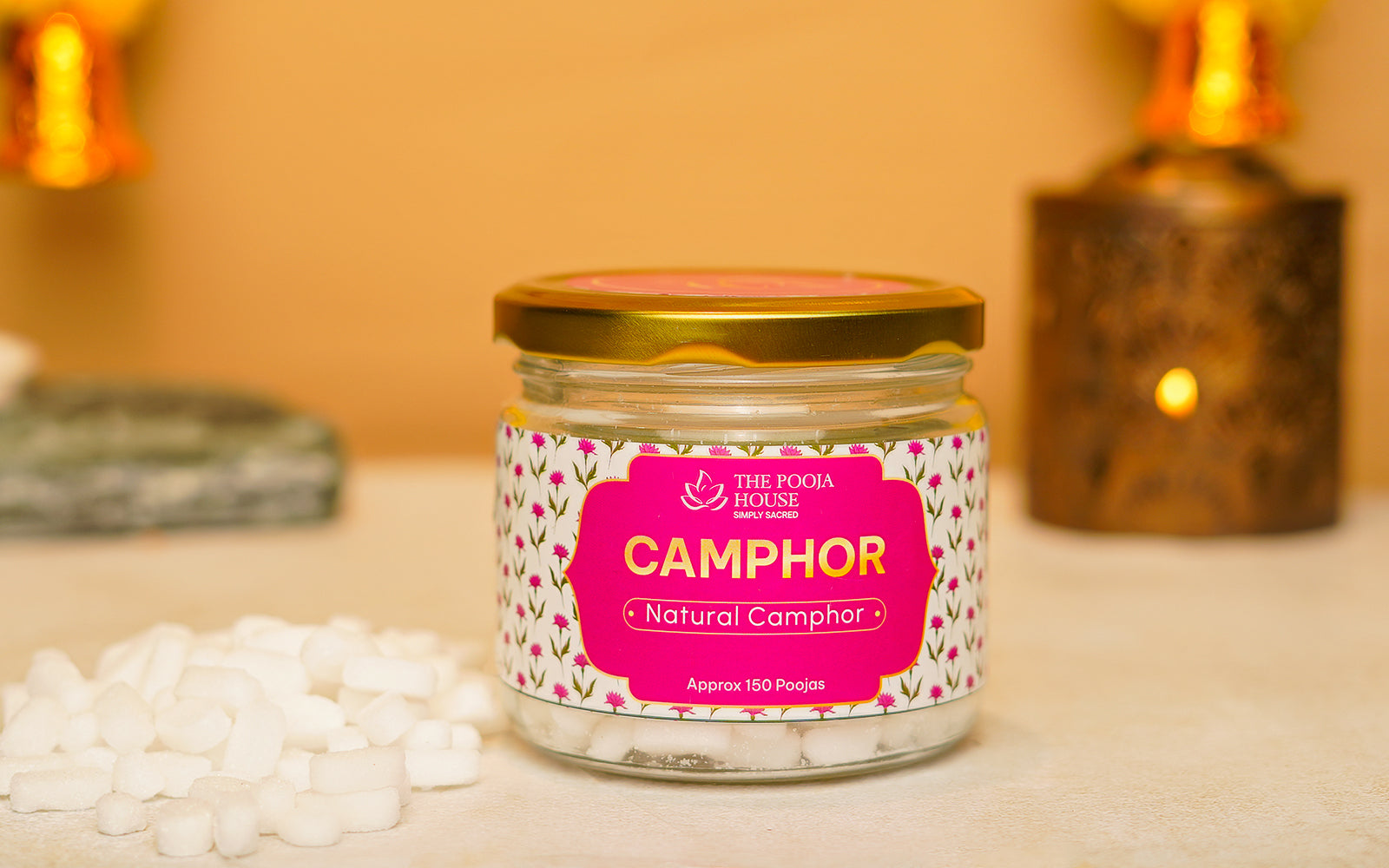
Camphor, Dhoop and Deepak: The Purpose Behind Everyday Puja Items
Why camphor is burned at the end of an aarti, which oil belongs in the lamp, and what the five elements have to do with the order of a puja.
Read Full Article →
Vastu for Your Puja Room: Direction, Layout and Common Mistakes
Where the mandir should go, which way the idols face, and what to do if you live in a flat with no room to spare. Practical Vastu, not the intimidating kind.
Read Full Article →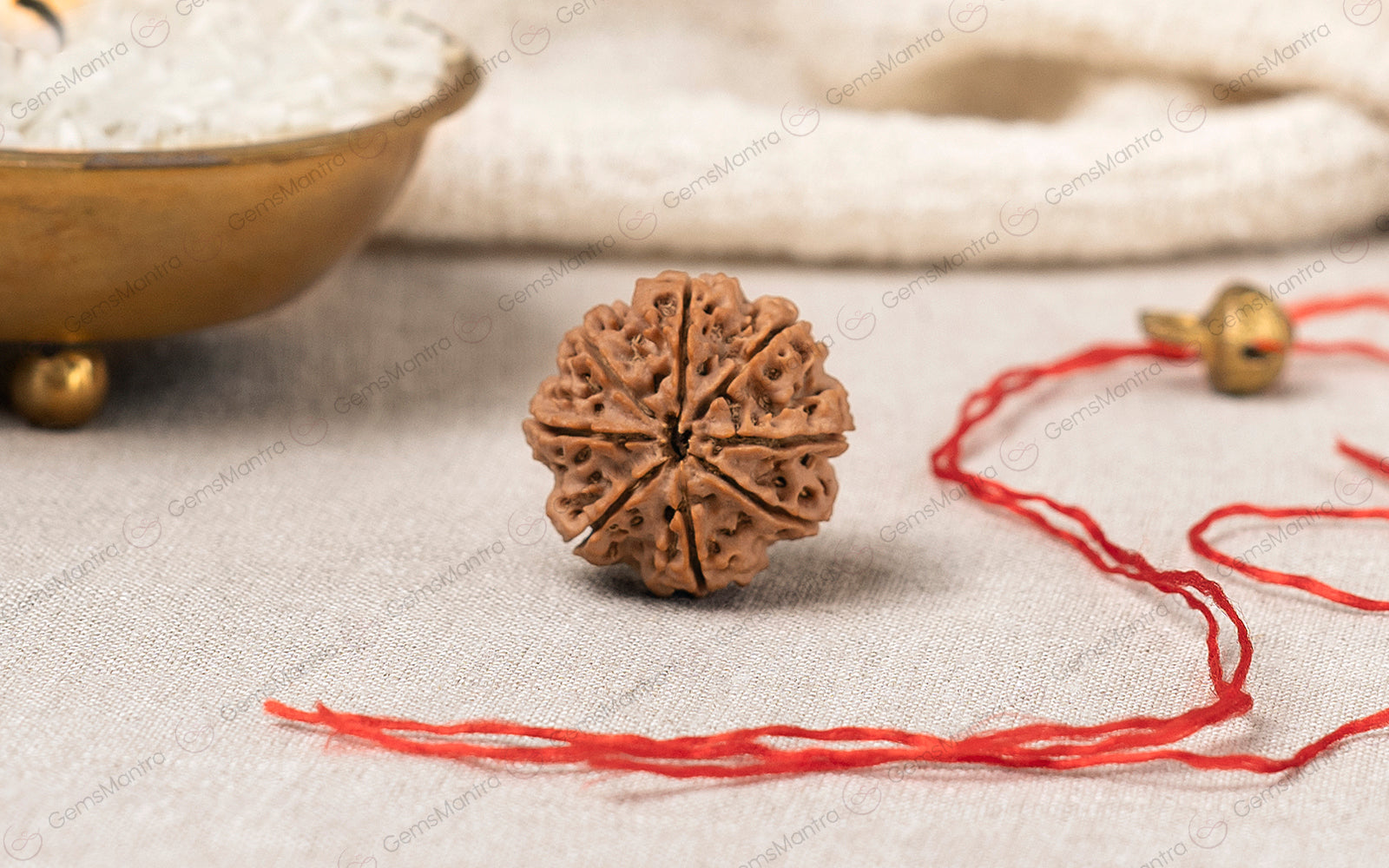
Sawan (Shravan) Month: A Practical Guide to Shiva Worship
Why Shravan is the most important month in the Shaiva calendar, what the Monday vrat involves, and how to observe it if you cannot take a day off.
Read Full Article →0 Comments
Be the first to share your thoughts on this article.
Leave a Comment
Your comment will be reviewed by our team before it appears publicly.