
Heated, Treated or Natural? Gemstone Treatments You Should Know About
Sep 2, 2025
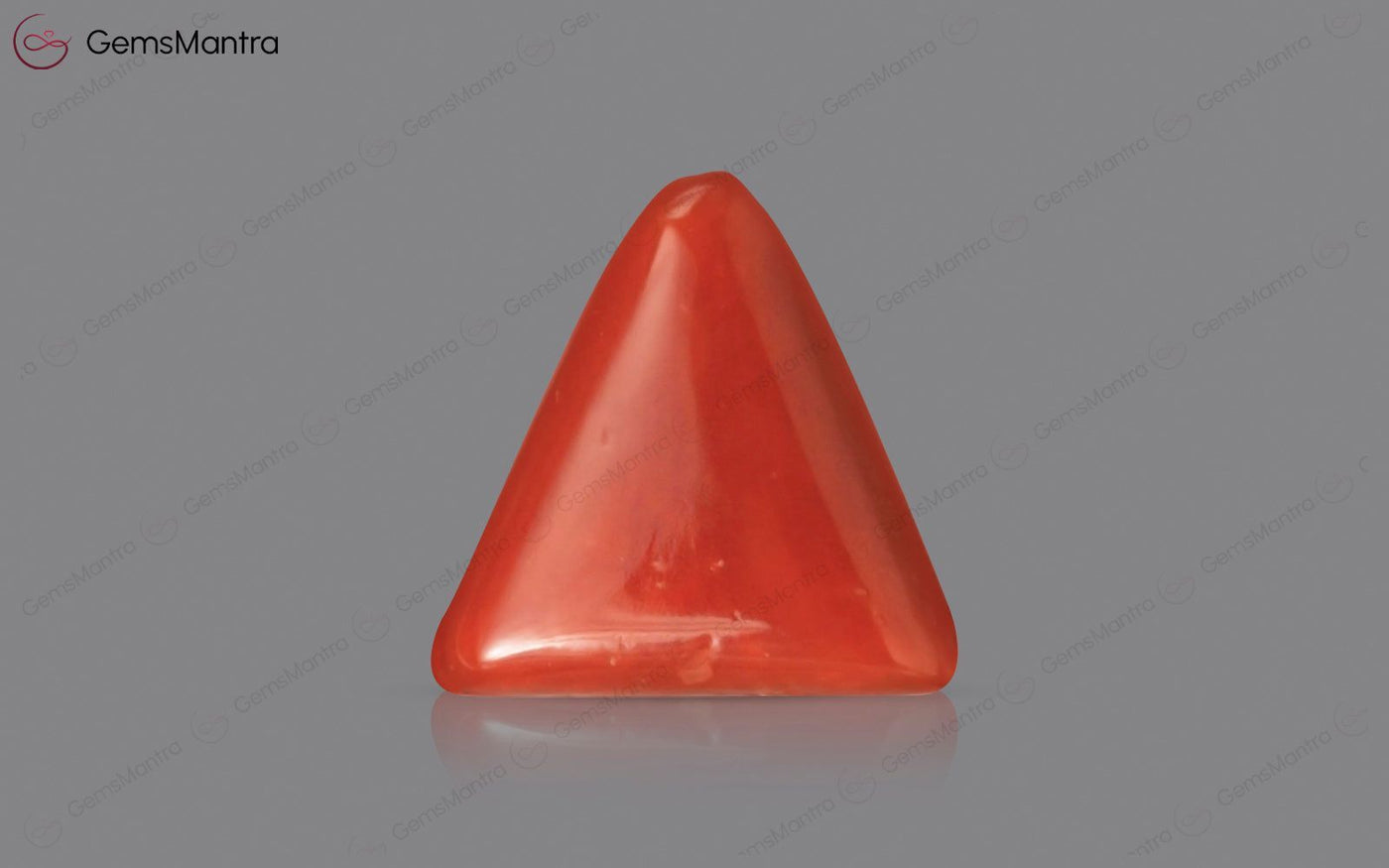
The honest starting point: the great majority of coloured gemstones sold anywhere in the world have been treated in some way. That is not fraud. Fraud is treating a stone and not disclosing it.
Heat treatment
What it is: the stone is heated to high temperature to improve colour and clarity - often dissolving internal silk in corundum.
Common in: sapphire, ruby, aquamarine, tanzanite, citrine, amethyst.
Acceptability: universally accepted in the trade, and permanent. It has been done for centuries.
Price impact: substantial. An unheated fine sapphire can be worth several times a heated one of the same appearance.
Astrological view: most practitioners accept heated stones. Some traditions prefer unheated where budget allows.
Diffusion treatment
What it is: colouring elements - beryllium, titanium - are diffused into the surface at high temperature. The colour is a shallow layer, not throughout the stone.
Common in: sapphire, particularly bright orange-pink "padparadscha" material.
Acceptability: low. The colour can be lost if the stone is repolished.
Price impact: severe. Worth a small fraction of an equivalent untreated stone.
Astrological view: generally not accepted.
Glass filling
What it is: heavily fractured material is flooded with molten lead glass, which fills cracks and dramatically improves apparent clarity.
Common in: ruby. Also seen in sapphire.
Acceptability: very low. The stone is structurally compromised - it can be damaged by a jeweller's torch during ordinary repair, and by household acids.
Price impact: extreme. Glass-filled ruby is a low-value product sold at prices that suggest otherwise.
Astrological view: not accepted.
If a large, clean, vividly red "natural ruby" is affordable, it is glass filled. This is the most common gemstone deception in the Indian market.
Oiling and resin filling
What it is: cedar oil or a polymer resin is drawn into surface-reaching fractures to reduce their visibility.
Common in: emerald - the overwhelming majority.
Acceptability: minor oiling with natural cedar oil is standard and accepted throughout the trade. Significant oiling and polymer filling are disclosed separately and reduce value considerably.
What to ask: the grade - none, minor, moderate or significant. Treatment can degrade with heat and time, which is why oiled emeralds must never see an ultrasonic cleaner.
Dyeing
What it is: colour introduced into a porous material.
Common in: coral, turquoise, howlite, jade, agate, low-grade quartz.
Acceptability: low, and often undisclosed at the lower end of the market.
How to spot it: colour concentrated in cracks and around drill holes, unnaturally uniform tone, and colour that transfers to acetone on a cotton bud.
Astrological view: not accepted - particularly relevant for Red Coral, where dyed material is widespread. See our Red Coral guide.
Irradiation
What it is: exposure to radiation to alter colour, usually followed by heating.
Common in: blue topaz, some diamonds, smoky quartz, some pearls.
Acceptability: accepted where disclosed. Reputable material is tested for residual radioactivity and is safe.
Synthetic and lab-grown
What it is: grown in a laboratory. Chemically, physically and optically identical to natural material - not an imitation.
Common in: corundum (ruby and sapphire), emerald, spinel, quartz, diamond.
Acceptability: entirely acceptable as jewellery, and honestly priced when sold as what it is.
Astrological view: not accepted. The tradition holds that the stone must have formed in the earth. Because synthetics are visually indistinguishable, a laboratory report is the only protection.
What to ask before buying
- Is this stone natural or lab-grown?
- What treatments has it undergone?
- Is the treatment stated on the certificate?
- For emerald: what is the oiling grade?
- For ruby: has it been glass filled?
- For coral and turquoise: has it been dyed or stabilised?
- Which laboratory issued the report, and can I verify the number independently?
See how to read a gemstone certificate, and browse certified gemstones.
You May Also Like
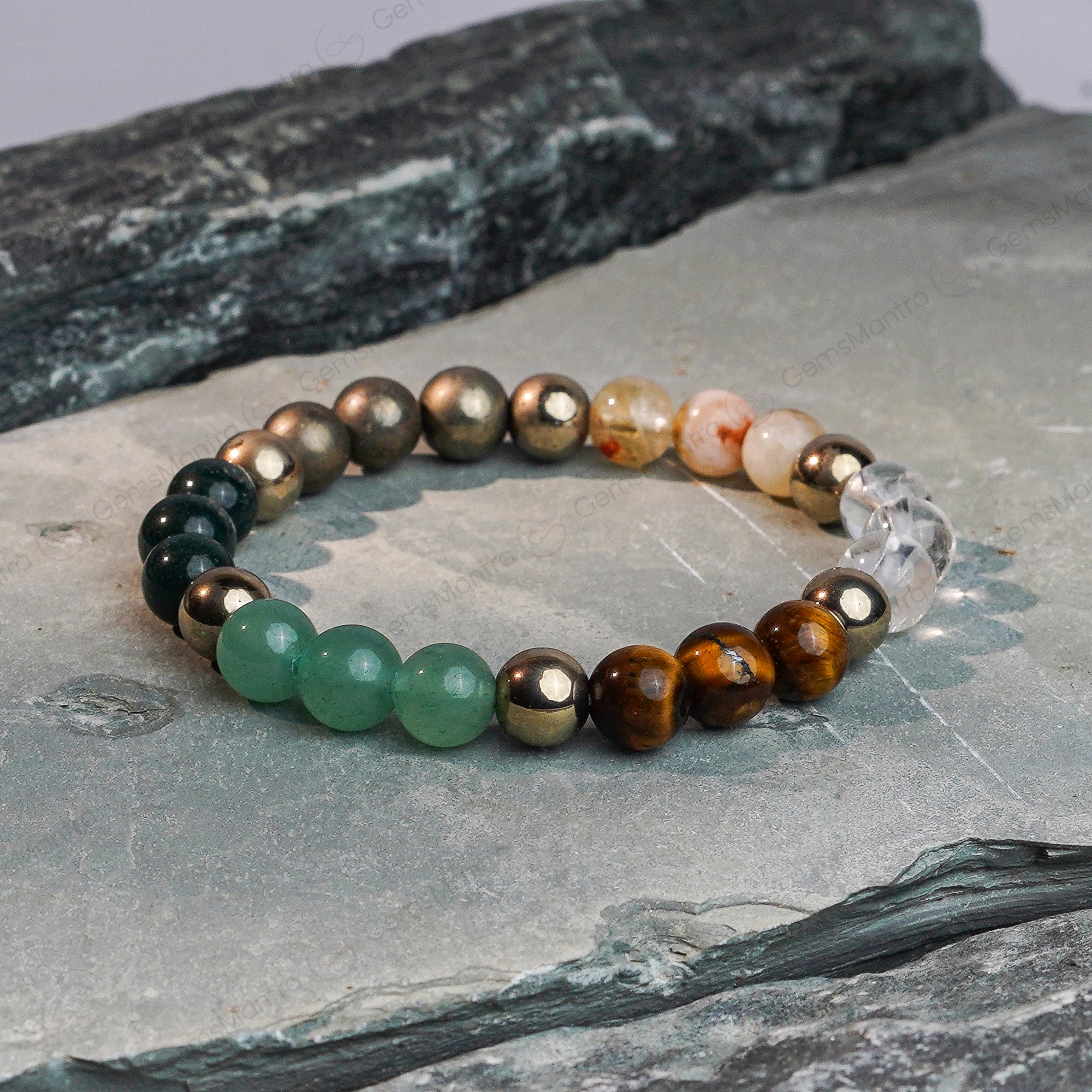
Bracelet Sizing, Mala Length and Pendant Fit: Get It Right First Time
How to measure your wrist properly, how bead size changes the fit, what mala lengths actually mean, and how to pick a pendant chain that sits where you want it.
Read Full Article →
Rudraksha and Gemstone Gifting Guide: What to Give and When
Spiritual items make thoughtful gifts and awkward ones. Which pieces are safe to give without knowing someone's chart, and which you should never choose for another person.
Read Full Article →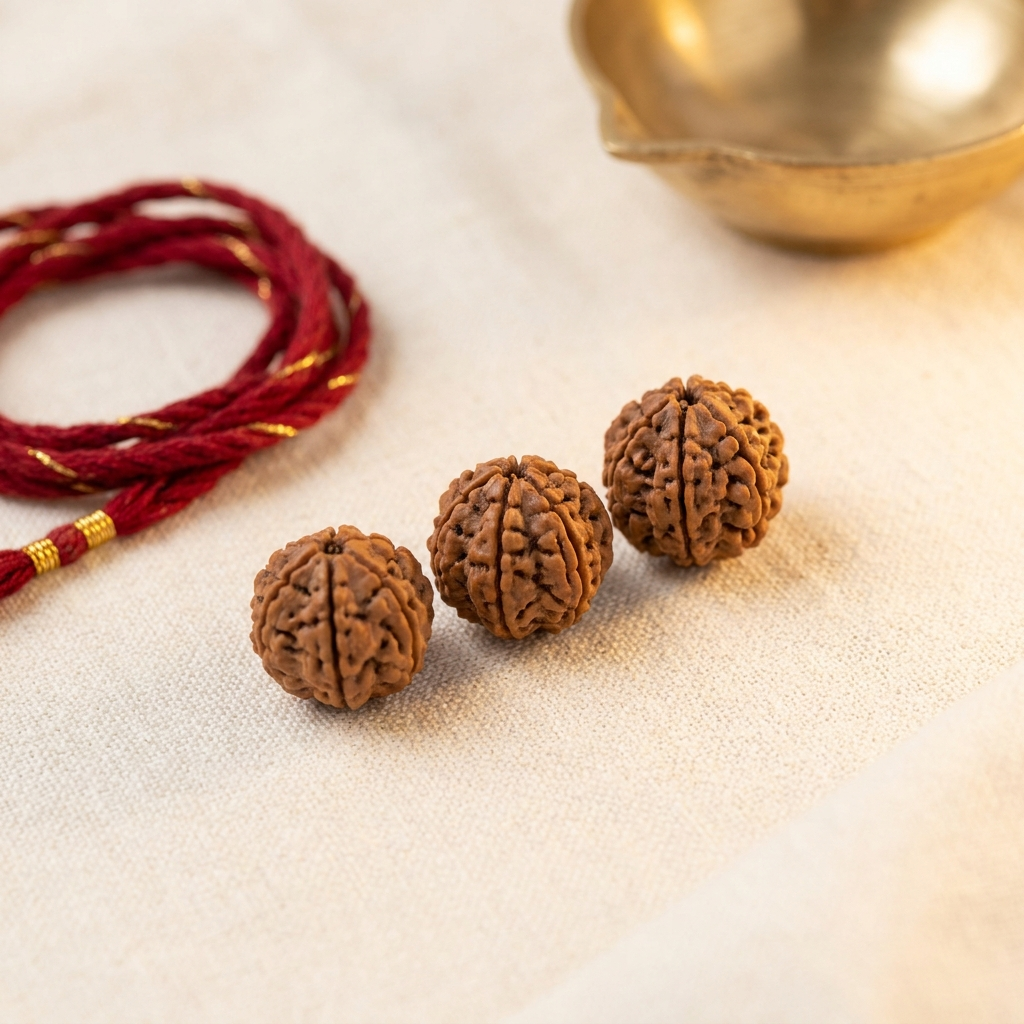
8 Red Flags When Buying Rudraksha and Gemstones Online
You cannot hold the item before it arrives, so the checks have to move to the seller. Eight warning signs, and the questions that expose them quickly.
Read Full Article →0 Comments
Be the first to share your thoughts on this article.
Leave a Comment
Your comment will be reviewed by our team before it appears publicly.