
Pyrite vs Citrine: Which Wealth Crystal Is Right for You?
May 27, 2025
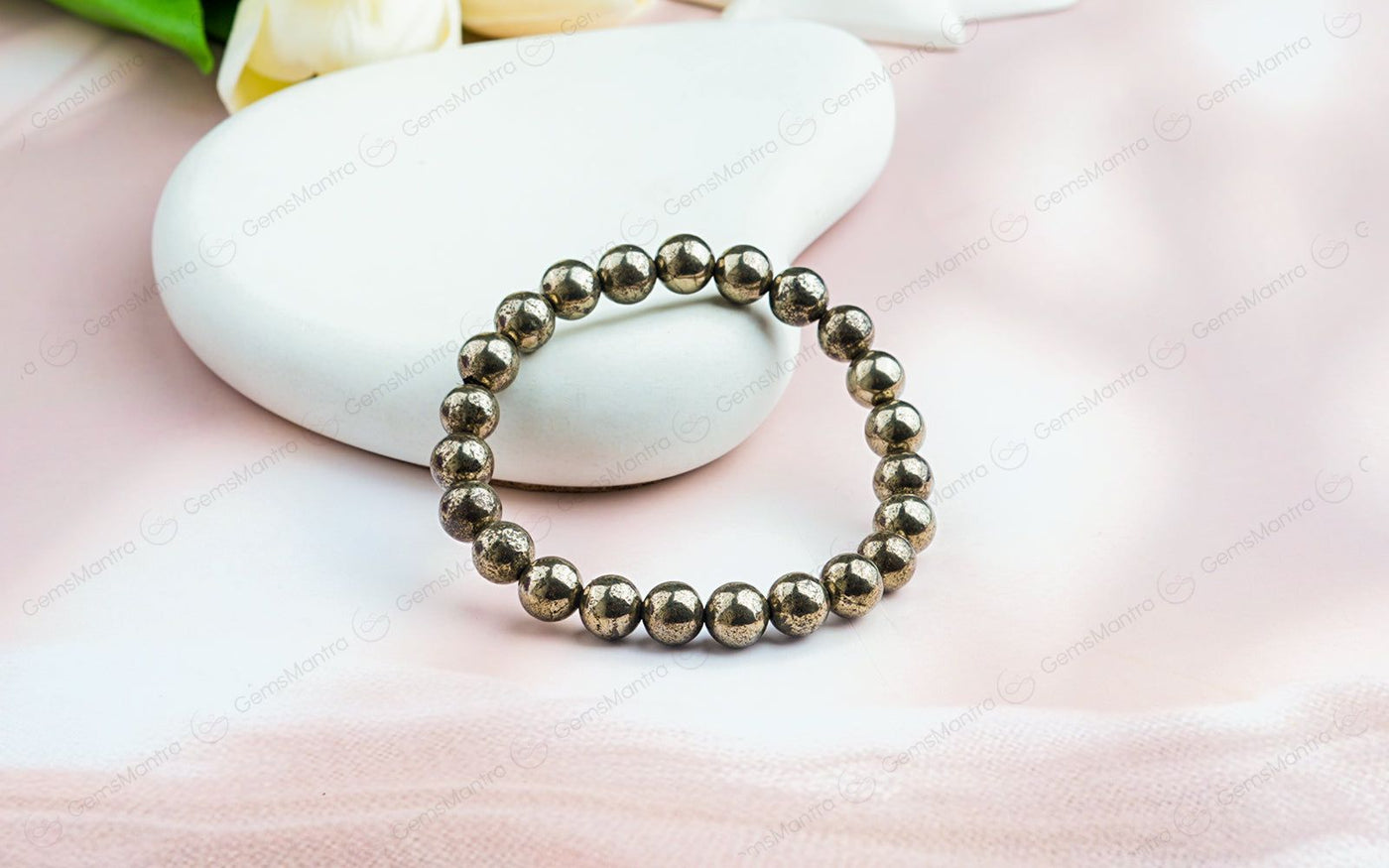
Ask for a wealth crystal and you will be offered one of these two. They are not interchangeable, and choosing between them is easier once you know what each is traditionally for.
Pyrite - the stone of action
Pyrite is iron sulphide, metallic gold in colour, and it forms in remarkable natural cubes. The name comes from the Greek for fire, because it sparks when struck; "fool's gold" came later, from miners who mistook it for the real thing.
Traditionally associated with:
- Willpower and the drive to actually start something.
- Confidence in business, negotiation and money conversations.
- Protection - it has a long history as a shielding stone.
- Solar plexus energy: personal power and the capacity to assert.
- Turning ideas into executed work.
Choose pyrite if your obstacle is action - plans that never launch, opportunities not pursued, a reluctance to ask for what your work is worth.
Citrine - the stone of flow
Citrine is yellow to golden quartz. Genuinely natural citrine is uncommon; most commercial material is heat-treated amethyst, which is legitimate and widely sold, but should be disclosed.
Traditionally associated with:
- Abundance and prosperity - it is called the merchant's stone.
- Optimism and a positive outlook.
- Creativity and new ideas.
- Digestion and solar plexus function, traditionally.
- Retaining wealth rather than only earning it.
Choose citrine if your obstacle is flow - money arriving and leaving, effort not converting into results, or a general pessimism about your prospects.
Natural or heat-treated citrine?
Worth knowing before you buy:
- Natural citrine is pale yellow to smoky honey, with even colour. It is uncommon and priced accordingly.
- Heat-treated amethyst is deep orange-red to burnt amber, often with a white base and a distinct colour boundary. Geodes and points sold as "citrine" in bright orange are almost always treated.
Many practitioners work happily with treated citrine, since the mineral is still quartz. Others prefer natural. The point is to know which one you paid for.
Where to place them
- Pyrite: on your desk, in a cash box or safe, or in the north or south-east of a room. Traditionally kept where work is done rather than where money is stored.
- Citrine: in the wealth corner - the south-east in Vastu - in a purse or till, or in the living room.
- Both together is a common arrangement: pyrite for the earning, citrine for the keeping.
Care notes
Pyrite must stay dry. It contains iron and will rust and eventually crumble if repeatedly wetted. Never soak it, never cleanse it in salt water, and keep it out of humid bathrooms. Wipe with a dry cloth only.
Citrine fades in sunlight, particularly heat-treated material. Charge it in moonlight instead - despite the frequent advice to sun-charge it, which will bleach it over time.
Pairings
- Pyrite with tiger eye - drive with grounded courage.
- Citrine with green aventurine - abundance with opportunity.
- Either with 7 Mukhi Rudraksha, the classical wealth bead.
- Both with clear quartz for amplification.
Browse wealth bracelets and crystals.
You May Also Like
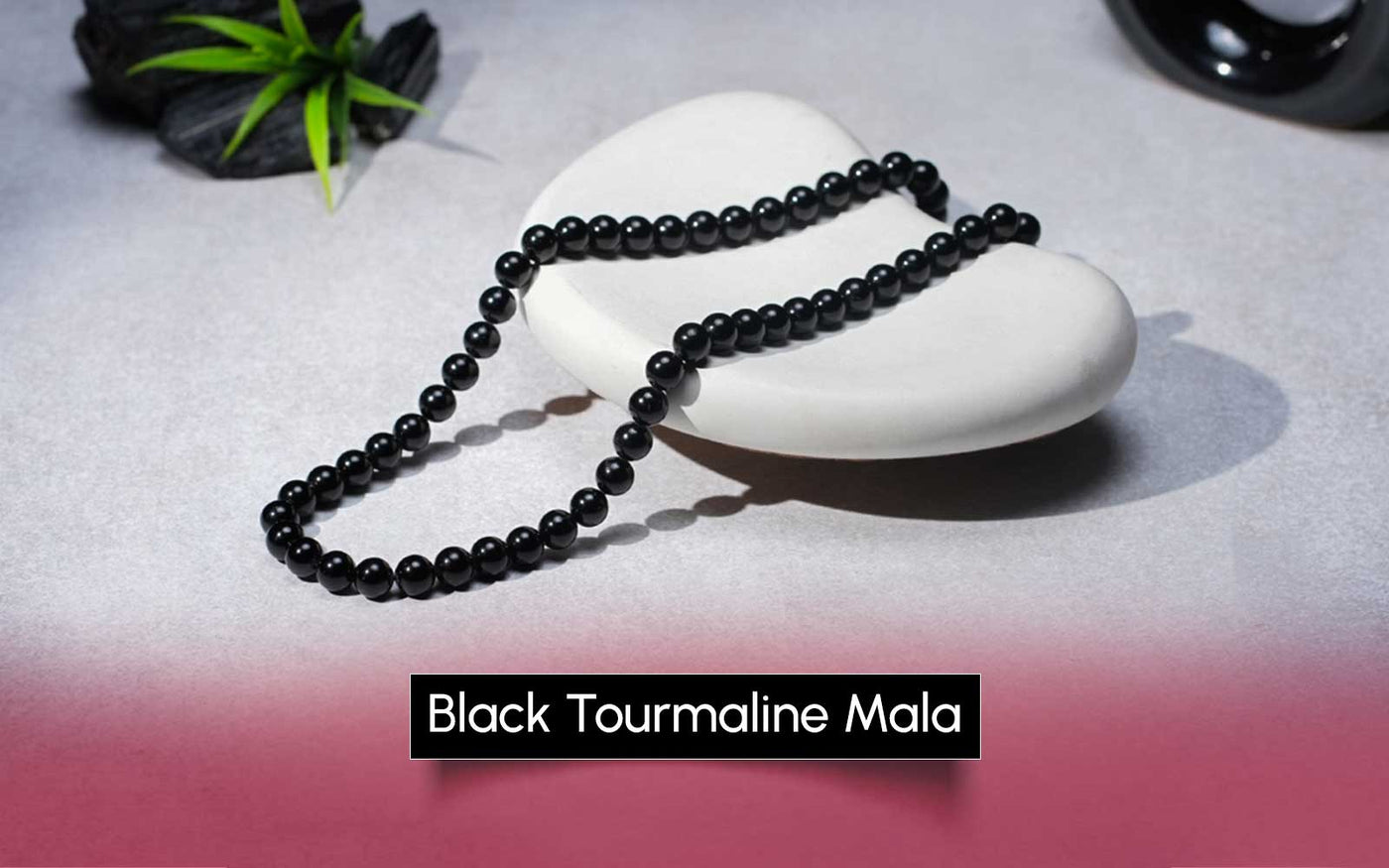
Black Tourmaline, Obsidian and Karungali: A Guide to Protection Stones
Three of the best-known protective materials, what distinguishes them, and how to use them at an entrance, in a workspace or on the body.
Read Full Article →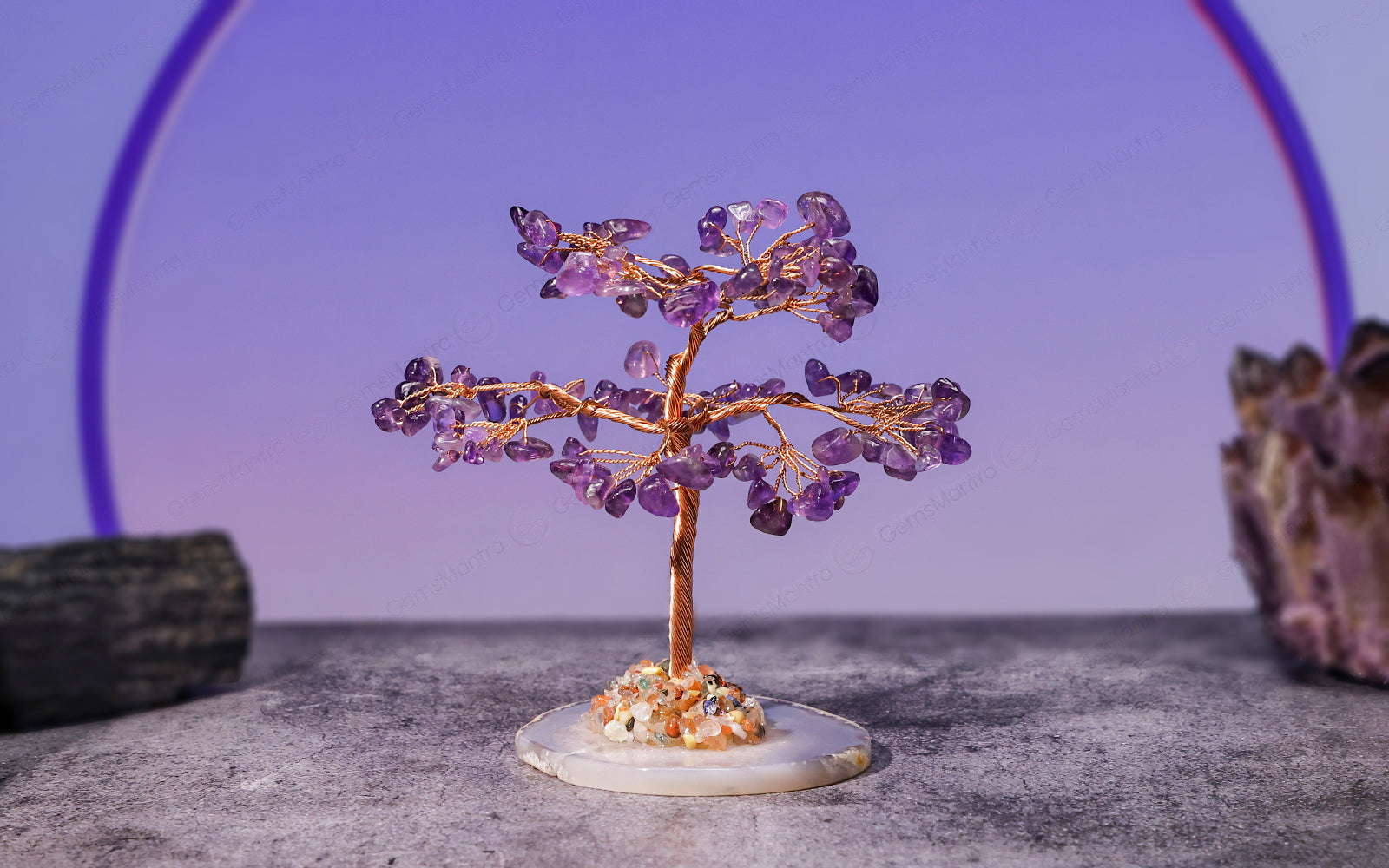
Crystal Trees, Spheres and Pyramids: What Each Shape Is For
The form a crystal is cut into changes how it is traditionally used. A guide to trees, spheres, pyramids, points and raw clusters - and where to place each.
Read Full Article →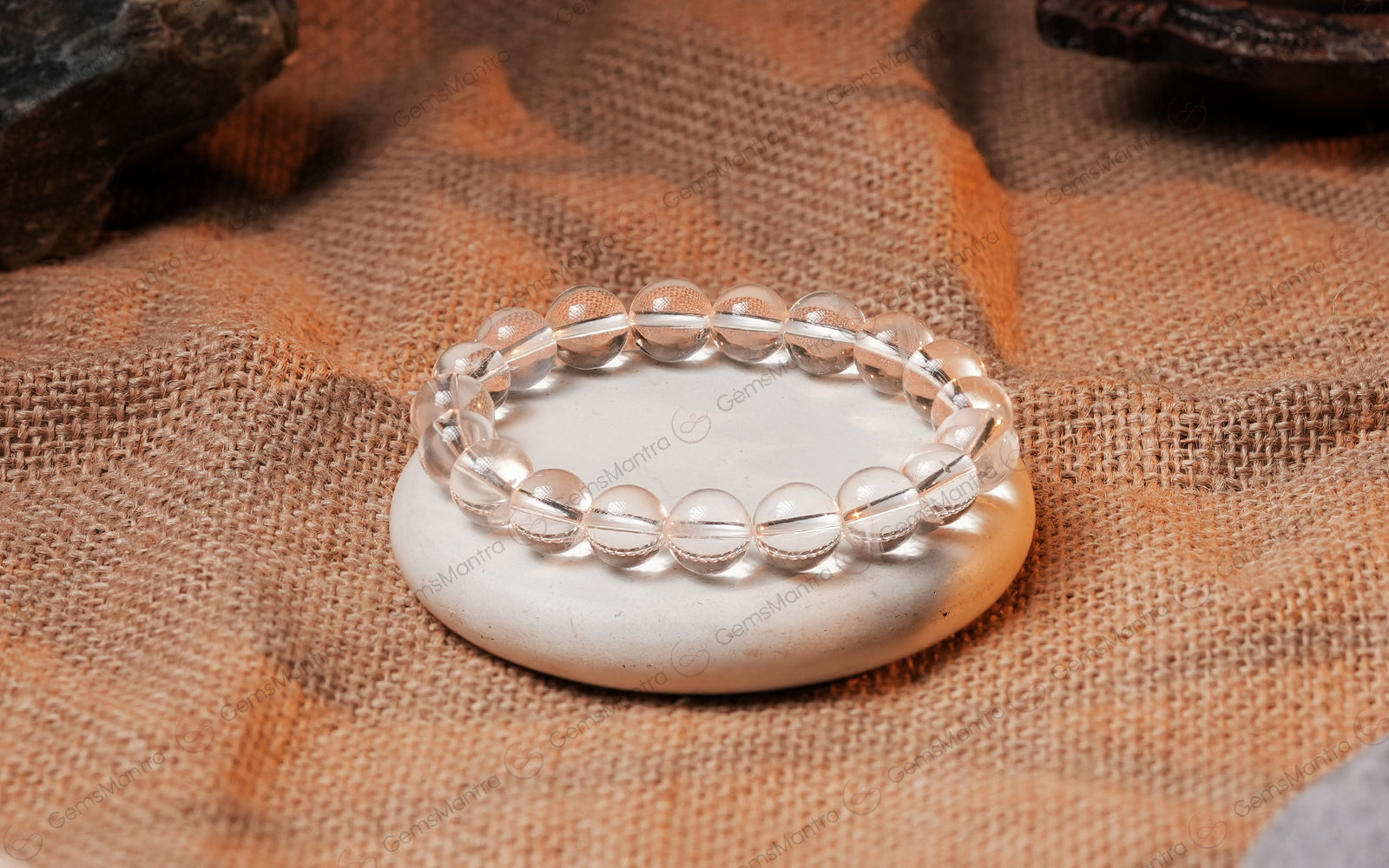
How to Cleanse and Charge Crystals: 6 Methods and When to Use Each
Salt water will ruin some crystals and sunlight will fade others. A method-by-method guide, including which stones must never meet water.
Read Full Article →0 Comments
Be the first to share your thoughts on this article.
Leave a Comment
Your comment will be reviewed by our team before it appears publicly.